

Mount Meru, standing at 4,566 meters (14,980 ft), is Tanzania’s second-highest mountain and a spectacular trekking destination located inside Arusha National Park. While it is often climbed as a warm-up for Mount Kilimanjaro, Mount Meru has its own unique weather patterns that every trekker should understand before planning their adventure.
Knowing Mount Meru’s weather conditions will help you choose the right season, pack correctly, and enjoy a safer, more comfortable climb.
Overview of Mount Meru Climate
Mount Meru experiences a mountain climate, meaning weather conditions change rapidly with altitude. You can start your trek in warm, sunny conditions and reach cold, windy, and misty zones within a few hours.
Key factors affecting Mount Meru weather:
-
Altitude gain
-
Seasonal rainfall
-
Wind exposure near the summit
-
Time of day (early mornings are cold)
Mount Meru Weather by Altitude Zones
Lower Slopes (1,500m – 2,500m)
-
Temperature: 18°C – 25°C
-
Conditions: Warm, humid, and often sunny
-
Vegetation: Montane forest
-
What to expect: Pleasant hiking weather, but rain showers are possible, especially during the rainy seasons.
Mid-Altitude Zone (2,500m – 3,500m)
-
Temperature: 10°C – 18°C
-
Conditions: Cooler with occasional mist and cloud cover
-
Vegetation: Heather and moorland
-
What to expect: Evenings become noticeably colder. Wind exposure increases.
High Altitude & Summit Zone (3,500m – 4,566m)
-
Temperature: -5°C to 10°C
-
Conditions: Cold, windy, and dry
-
Terrain: Alpine desert and rocky ridges
-
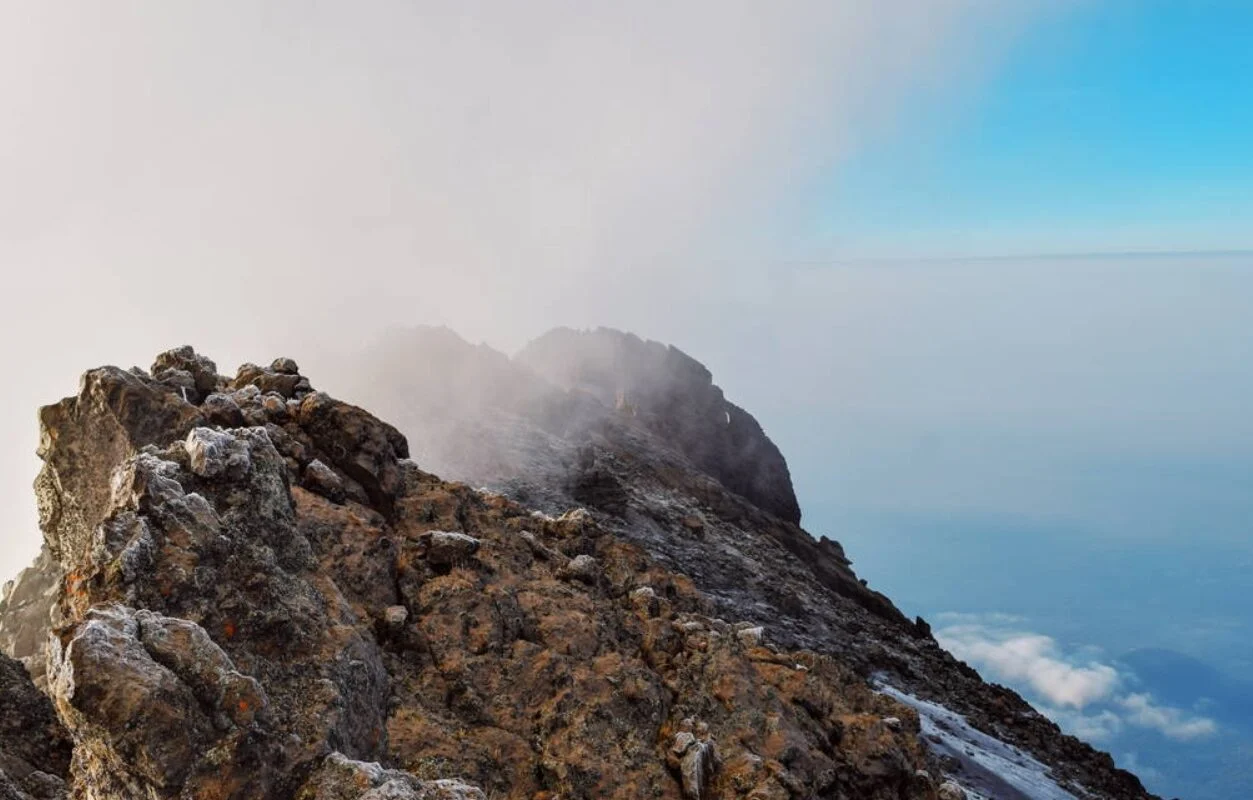
What to expect: Early morning summit attempts can be freezing, with strong winds and occasional frost.
Seasonal Weather on Mount Meru
Dry Seasons (Best Time to Climb)
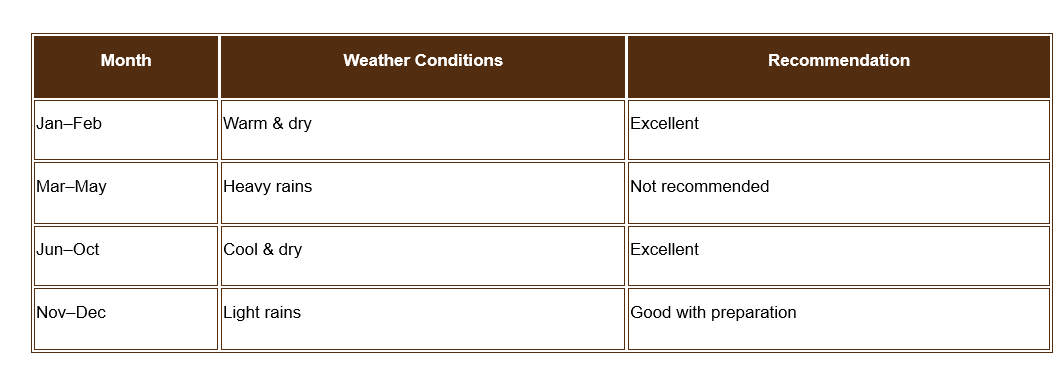
January – February
-
Warm days and clear skies
-
Excellent visibility
-
Short dry season with minimal rainfall
-
Ideal for photography and wildlife viewing
June – October
-
Cool and dry conditions
-
Clear summit views
-
Cold nights at higher camps
-
Peak trekking season
Best overall months: January, February, July, August, and September
Rainy Seasons (Challenging Conditions)
Long Rains: March – May
-
Heavy rainfall
-
Muddy and slippery trails
-
Cloudy summit views
-
Fewer trekkers on the mountain
Short Rains: November – Early December
-
Light to moderate showers
-
Greener landscapes
-
Weather can still be good between rains
Treks are possible, but good rain gear is essential.
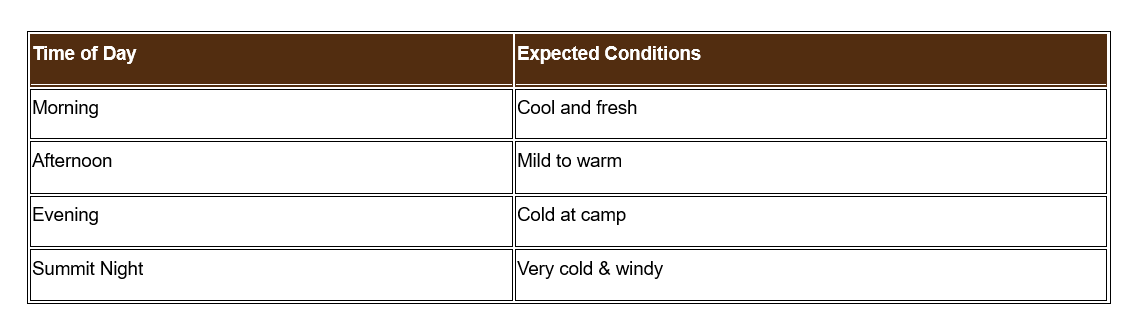
Temperature Changes During a Typical Trek
Wind Conditions on Mount Meru
-
Stronger winds occur above Saddle Hut
-
Summit ridge can be very windy
-
Wind chill can make temperatures feel much colder than actual readings
Windproof jackets and insulated layers are strongly recommended.
Does Mount Meru Get Snow?
Snow on Mount Meru is rare, but frost and icy conditions near the summit can occur during the colder months (June–August). Ice patches may appear early in the morning.
How Weather Affects the Summit Attempt
-
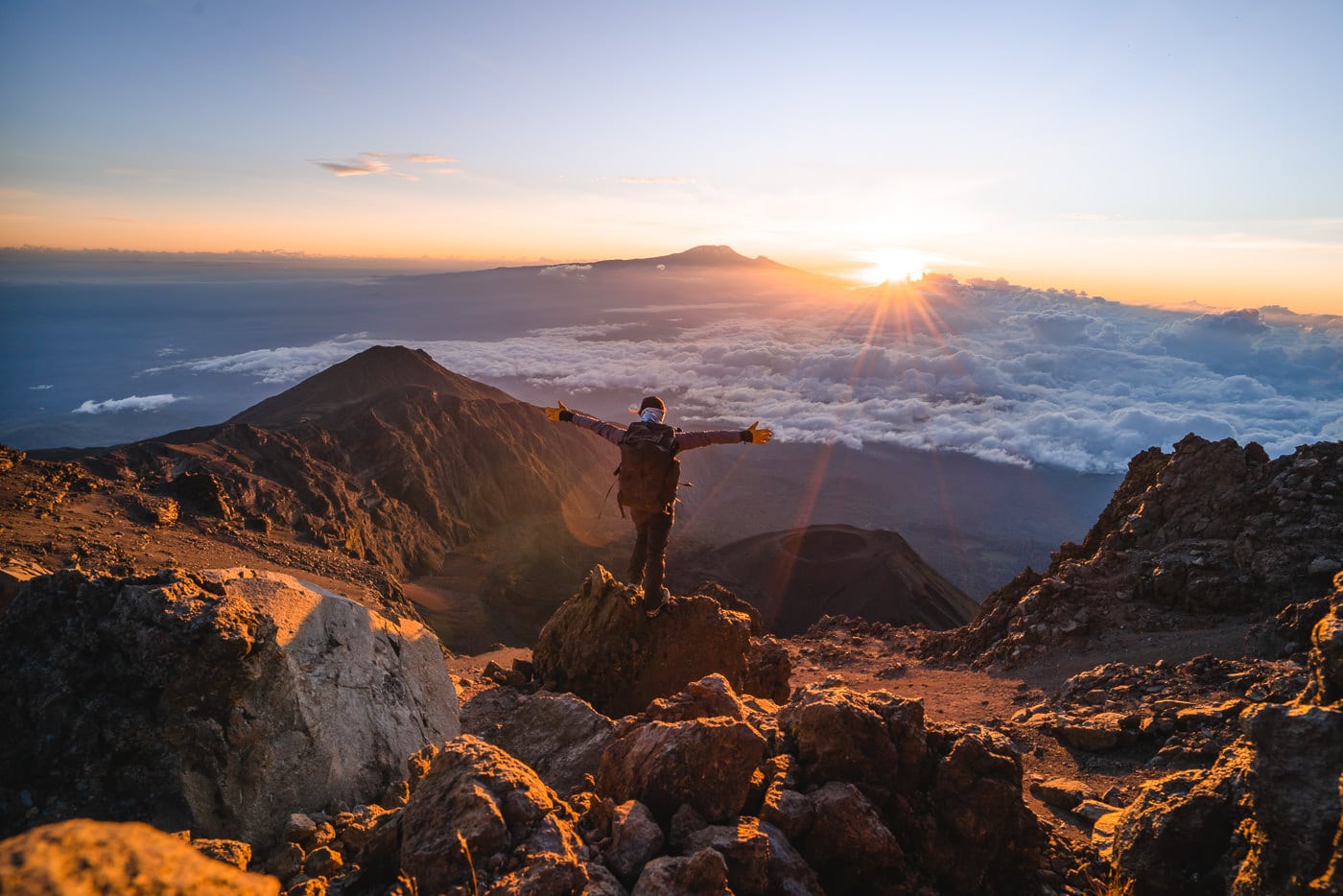
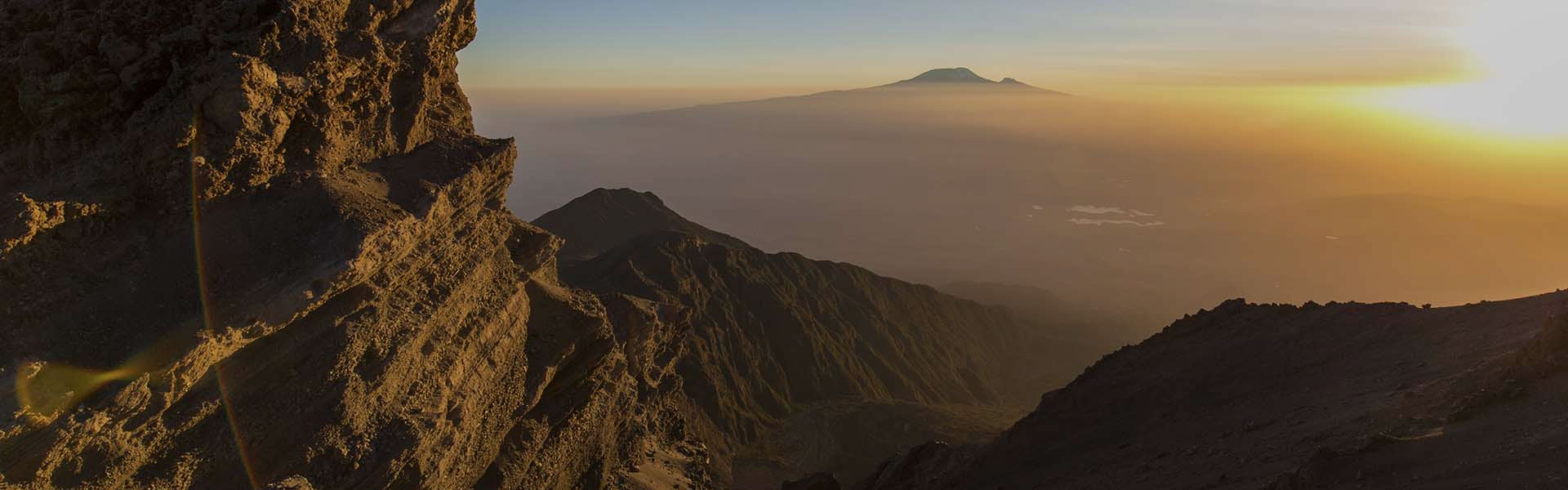
Clear weather: Best sunrise views over Kilimanjaro and the Rift Valley
-
Cloud cover: Reduced visibility but still a rewarding climb
-
Rain or strong wind: May delay or shorten summit attempts for safety reasons
Your guide will always prioritize safety and adjust plans based on real-time conditions.
Best Time to Climb Mount Meru
Why Choose Great Journey Safaris for Your Mount Meru Trek
At Great Journey Safaris, we:
-
Monitor daily weather forecasts
-
Provide expert mountain guides
-
Adjust trekking pace based on conditions
-
Ensure proper safety and acclimatization
-
Offer packing guidance tailored to the season
Our experience on Mount Meru ensures you are prepared for every weather scenario, from warm forest trails to icy summit mornings.
Final Thoughts
Mount Meru’s weather is part of what makes the climb exciting and rewarding. With proper planning, the right gear, and experienced guides, trekking Mount Meru is safe, scenic, and unforgettable.
Whether you climb during the dry season or shoulder months, understanding Mount Meru weather conditions will help you enjoy every step of the journey.


