

Embarking on a Tanzanian safari is the realization of a lifelong dream. The vast plains of the Serengeti, the dramatic caldera of the Ngorongoro Crater, and the incredible diversity of wildlife create an experience that stays with you forever. To fully immerse yourself in this adventure, practical preparation is essential, and it starts with your suitcase. What you wear on safari isn’t just about style; it’s about comfort, safety, and enhancing your connection with the wild.
At Great Journey Safaris, we believe that a well-prepared traveler is a happy traveler. This guide is designed to demystify safari packing, ensuring you are perfectly equipped for every game drive, sundowner, and magical moment Tanzania has to offer.
The Core Principles of Safari Attire
Before diving into a specific checklist, it’s crucial to understand the ‘why’ behind safari clothing recommendations. Three principles govern smart packing: color, layering, and fabric.
Color is Key: Blending In, Not Standing Out
The classic safari palette of neutral, earthy tones isn’t just a tradition; it’s a practical necessity. Your goal is to be an unobtrusive observer of wildlife.
- Recommended Colors: Stick to shades of khaki, beige, olive green, and stone. These colors blend seamlessly with the African bush, making you less conspicuous to animals.
- Colors to Avoid:
- Bright Colors (Red, Yellow, Pink): These colors make you stand out, which can potentially startle wildlife.
- Black and Dark Blue: These colors are known to attract tsetse flies, which have a painful bite. While these flies are only present in certain woodland areas, it’s best to avoid these colors to minimize risk.
- White: Bright white stands out and gets dirty almost instantly on dusty safari tracks.
- Camouflage Patterns: In Tanzania and many other African nations, camouflage clothing is reserved for the military and is illegal for civilians to wear.
Layering is Essential: Mastering Temperature Swings
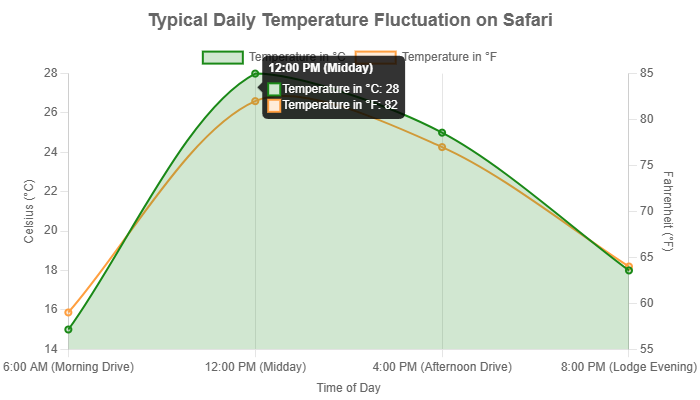
A typical day on a Tanzanian safari involves significant temperature fluctuations. Early morning game drives can be surprisingly chilly, while midday can become quite hot under the equatorial sun. The key to comfort is layering.
You’ll start the day with a t-shirt, a long-sleeved shirt, and a fleece jacket. As the sun climbs higher, you can shed layers for optimal comfort, and then add them back as evening approaches. This adaptability is non-negotiable for an enjoyable experience.
Fabric Matters: Prioritizing Comfort and Protection
The right fabric will keep you comfortable, cool, and protected from the elements.
- Breathable & Moisture-Wicking: Lightweight cottons, linens, and modern synthetic blends (like those used in athletic wear) are excellent choices. They allow air to circulate and pull moisture away from your skin, keeping you dry and cool.
- Quick-Drying: Whether from a sudden rain shower or hand-washing at the lodge, quick-drying clothes are incredibly practical.
- Sun Protection (UPF): The African sun is intense. Many outdoor clothing brands offer garments with a built-in Ultraviolet Protection Factor (UPF) of 30 or higher. Long sleeves and trousers are your first and best line of defense against sunburn.
Your Essential Tanzania Safari Wardrobe Checklist
Here is a practical, item-by-item guide for a typical 7-10 day safari.
Tops: Long-Sleeved Shirts & Tees
- 2-3 Long-Sleeved Shirts: These are your most versatile items. They protect you from the sun and insects during the day and provide a light layer in the evening. Choose neutral colors and breathable fabrics.
- 3-4 Short-Sleeved T-shirts or Polos: Perfect for layering or wearing during the warmer parts of the day.
Bottoms: Versatile Trousers
- 2-3 Pairs of Safari Trousers: Lightweight, comfortable trousers are ideal. Convertible “zip-off” pants that turn into shorts can be useful, but full-length trousers offer better protection from insects and scratches from vegetation.
- 1 Pair of Comfortable Trousers/Pants: For relaxing at the lodge in the evening.
Outerwear: A Fleece and a Light Jacket
- 1 Medium-Weight Fleece Jacket: Essential for cold mornings and evenings, especially at higher elevations like the Ngorongoro Crater rim.
- 1 Lightweight, Waterproof/Windproof Jacket: Crucial for unexpected rain showers (especially during the green season) and for blocking wind on early morning drives.
Footwear & Socks: Comfort for the Trail
- 1 Pair of Closed, Comfortable Walking Shoes: Sturdy trail runners or light hiking boots are perfect. Ensure they are well broken-in before you travel. You’ll wear these in the vehicle and on any walking safaris.
- 1 Pair of Casual Shoes/Sandals: For wearing around the lodge or camp.
- Several Pairs of Moisture-Wicking Socks: They will keep your feet dry and comfortable.
Headwear & Accessories: The Finishing Touches
- Wide-Brimmed Hat: Absolutely essential for sun protection. It should cover your face, ears, and the back of your neck.
- Sunglasses: Protect your eyes from the bright sun and dust.
- Scarf or Buff: Incredibly versatile for warmth, sun protection, and keeping dust away from your face.
Special Considerations for Your Itinerary
Your packing list might need slight adjustments based on your specific travel plans.
- Ngorongoro Crater: The rim of the crater sits at over 2,200 meters (7,200 feet). Temperatures here are significantly cooler, especially at night and in the early morning. A warm fleece, and perhaps even a beanie and gloves, are highly recommended.
- Zanzibar Extension: If your safari concludes with a trip to the spice island of Zanzibar, you’ll need beachwear. Pack swimwear, cover-ups, sandals, and reef-safe sunscreen. However, remember that Stone Town is a predominantly Muslim community; when exploring the town, women and men should dress modestly, covering shoulders and knees out of respect for the local culture.
- Lodge Evenings: Dinners at most safari lodges and camps are casual. A fresh shirt and a clean pair of trousers are perfectly appropriate. There is no need for formal wear.
What NOT to Pack: A Guide to Safari Faux Pas
What you leave at home is as important as what you bring. Avoid these items:
- Formal Clothing and Expensive Jewelry: A safari is a casual, adventurous experience. Leave valuables at home.
- Strong Perfumes or Colognes: Strong scents can attract insects and may be distracting to both wildlife and your fellow travelers.
- Plastic Bags: Tanzania has a nationwide ban on single-use plastic bags. Ensure you do not pack any in your luggage to avoid fines. Reusable packing cubes are a great alternative.
- Drones: Flying drones in national parks is strictly prohibited without special permits, which are very difficult to obtain.
Final Thoughts: Dressed for Adventure
Packing for a Tanzanian safari is an act of preparation that pays dividends in comfort and enjoyment. By choosing the right clothing, you free yourself to focus completely on the breathtaking landscapes and extraordinary wildlife encounters that await.
With your bags packed smartly, you’re one step closer to the adventure of a lifetime. At Great Journey Safaris, we meticulously plan every detail of your trip, from the expert guides to the perfectly located lodges. All that’s left for you to do is watch, listen, and be amazed. Your great journey awaits.


