Discover the Cost for Climbing Kilimanjaro, including park fees, guide services, accommodation, equipment, and other expenses. Plan your summit adventure with expert insights from Great Journey Safaris.
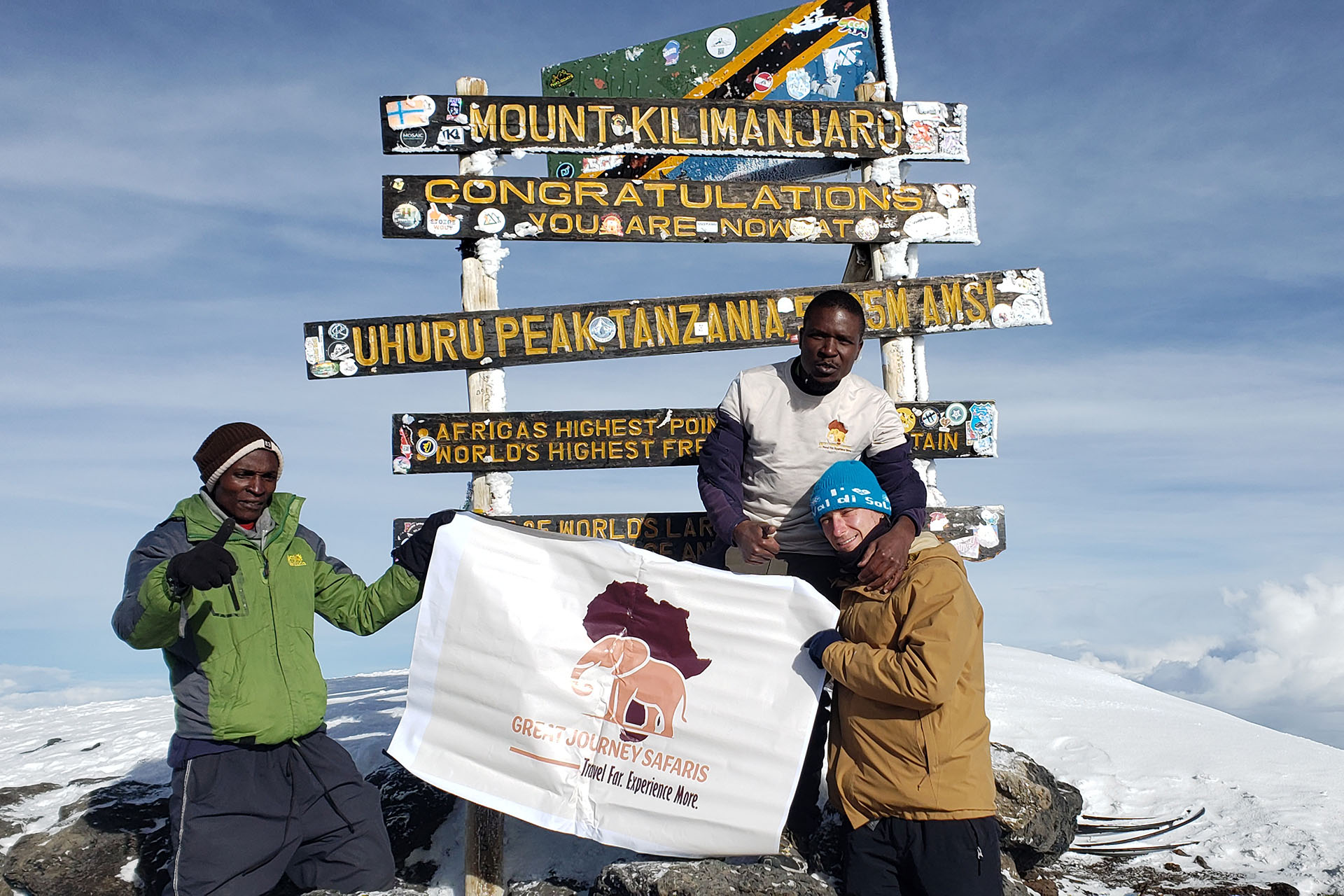
Climbing Mount Kilimanjaro is a dream adventure for thousands of travelers from around the world. Standing at 5,895 meters (19,341 feet) above sea level, Kilimanjaro is Africa’s highest mountain and one of the most accessible high-altitude summits on the planet. While reaching Uhuru Peak is an achievable goal for many hikers, understanding the total cost involved is an important part of planning a successful expedition.
One of the most common questions asked by prospective climbers is: “How much does it cost to climb Kilimanjaro?” The answer varies depending on several factors, including the route selected, the number of days on the mountain, the level of service provided, and the season of travel.
At Great Journey Safaris, we believe in helping climbers understand exactly what contributes to the cost of a Kilimanjaro expedition so they can make informed decisions and prepare confidently for their adventure.
Why Climbing Kilimanjaro Is Not a Budget Trek
Unlike many hiking destinations around the world, climbing Kilimanjaro requires a fully supported expedition. Independent trekking is not permitted by the Tanzania National Parks Authority. Every climber must be accompanied by licensed mountain guides and supported by a team of porters and cooks.
The mountain’s strict regulations are designed to ensure climber safety, protect the environment, and support local employment. As a result, the cost of a Kilimanjaro climb includes much more than simply gaining access to the mountain.
Your expedition fee contributes to conservation efforts, guide and porter wages, safety equipment, rescue services, camping infrastructure, and park management.
Understanding the Main Components of Kilimanjaro Climbing Costs
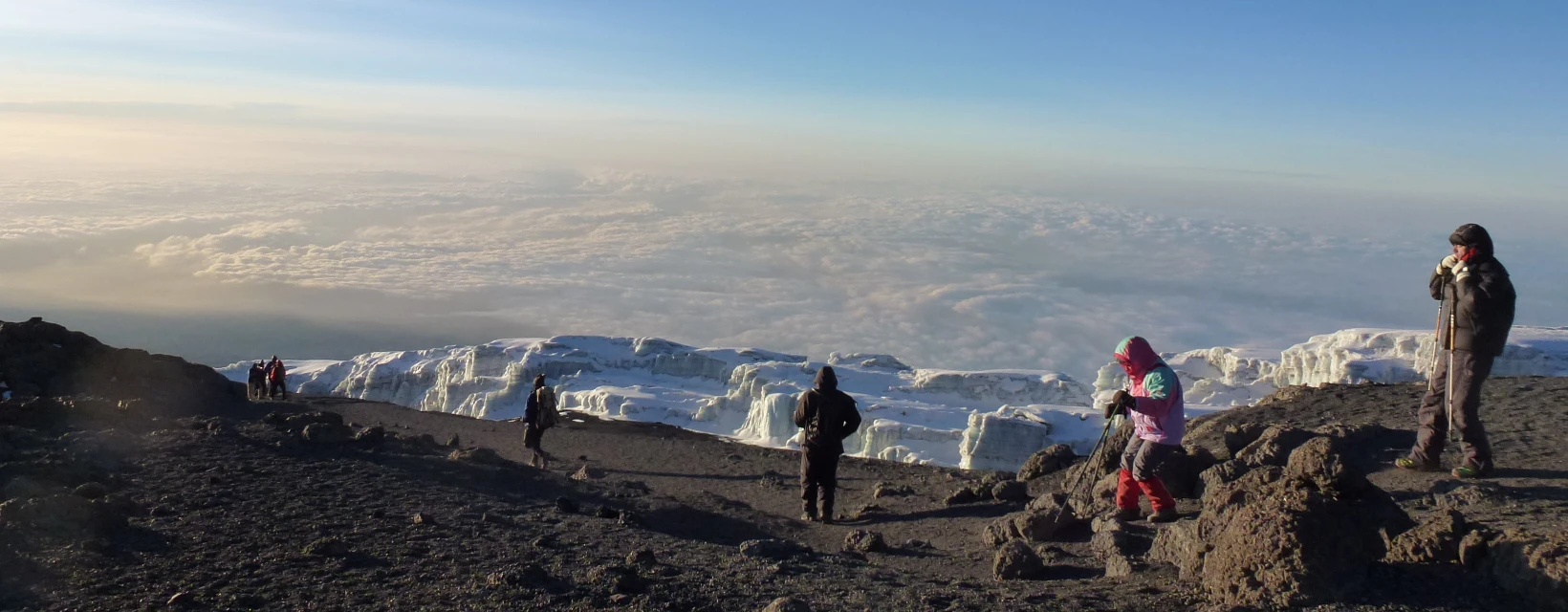
The total price of climbing Kilimanjaro is made up of several major components. National park fees represent one of the largest portions of the overall cost. These mandatory fees include conservation fees, camping or hut fees, rescue fees, and crew entry permits.
Another significant expense involves the mountain support team. Every expedition requires professional guides, assistant guides, cooks, and porters who transport equipment, food supplies, and camping gear throughout the climb.
Accommodation before and after the trek, transportation to and from the mountain gates, meals on the mountain, safety equipment, and logistical support are also included in most climbing packages.
Average Cost of Climbing Kilimanjaro
For most international travelers, the cost of reaching Kilimanjaro’s summit generally falls within three broad categories.
Budget Kilimanjaro climbs often range between $1,500 and $2,500 per person. These trips provide essential services and basic camping accommodations while maintaining required safety standards.
Mid-range Kilimanjaro climbs typically cost between $2,500 and $4,000 per person. These packages often include higher-quality camping equipment, additional comfort, experienced guides, and better accommodation before and after the trek.
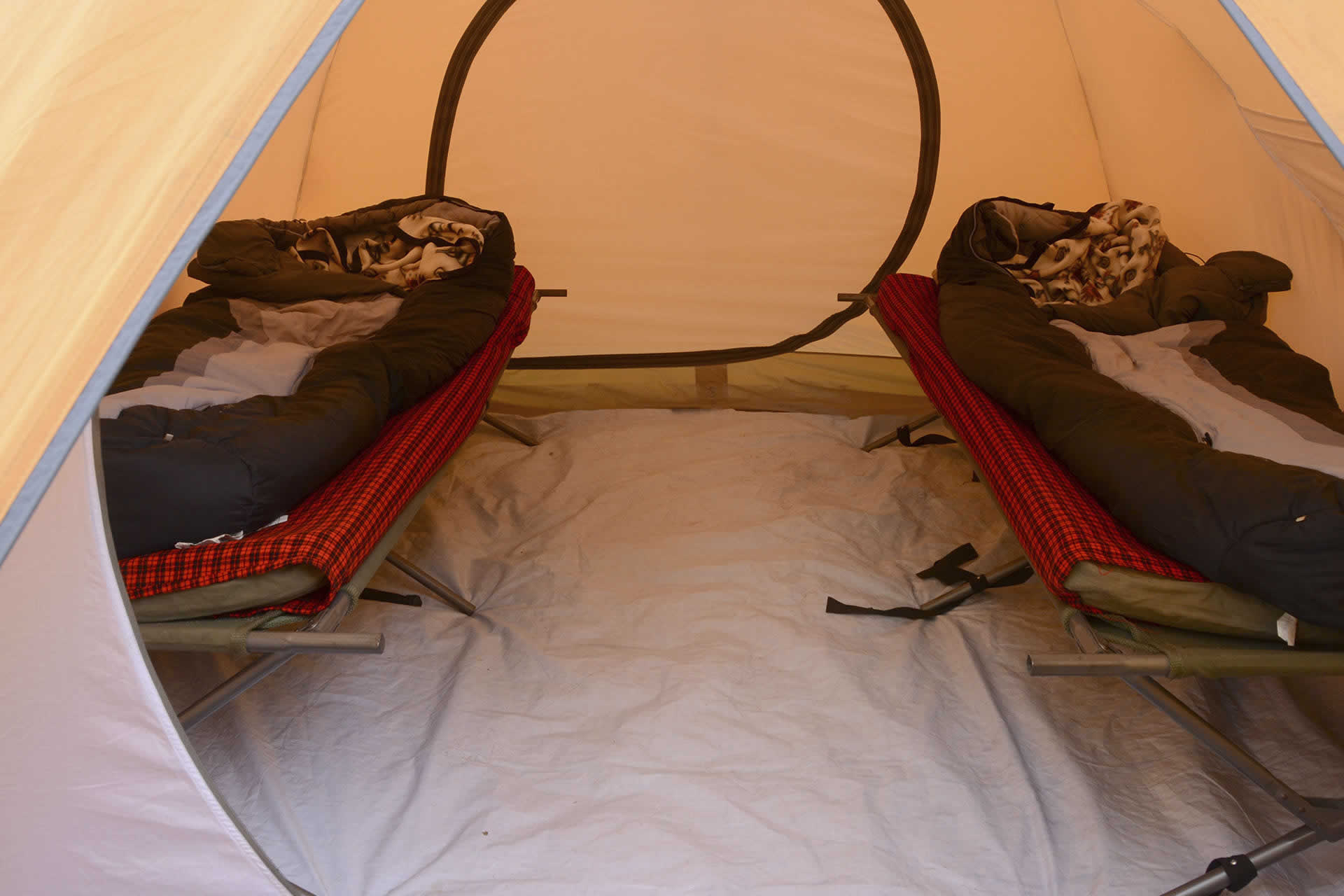
Luxury Kilimanjaro climbs can range from $4,000 to over $8,000 per person. These premium expeditions may include luxury mountain tents, portable toilets, upgraded meals, private groups, enhanced safety measures, and superior hotel accommodations.
How Route Selection Affects the Cost
The route you choose has a major impact on the total cost of your climb. Longer routes generally cost more because they require additional park fees, extra crew support, more food supplies, and additional camping nights.
The Marangu Route is often among the most affordable options because climbers sleep in mountain huts rather than tents. However, its shorter itinerary may provide less time for acclimatization.
The Machame Route remains one of the most popular choices due to its balance of affordability, scenic beauty, and strong summit success rates.
The Lemosho Route and Northern Circuit Route are usually more expensive because they involve longer itineraries that provide excellent acclimatization opportunities and higher chances of reaching the summit successfully.
The Hidden Value of Additional Acclimatization Days
Many climbers focus solely on finding the lowest-priced package. However, choosing a longer route with additional acclimatization days often represents better value in the long term.
Altitude sickness is the primary reason climbers fail to reach Uhuru Peak. Routes that allow gradual altitude gain significantly improve summit success rates and create a safer, more enjoyable experience.
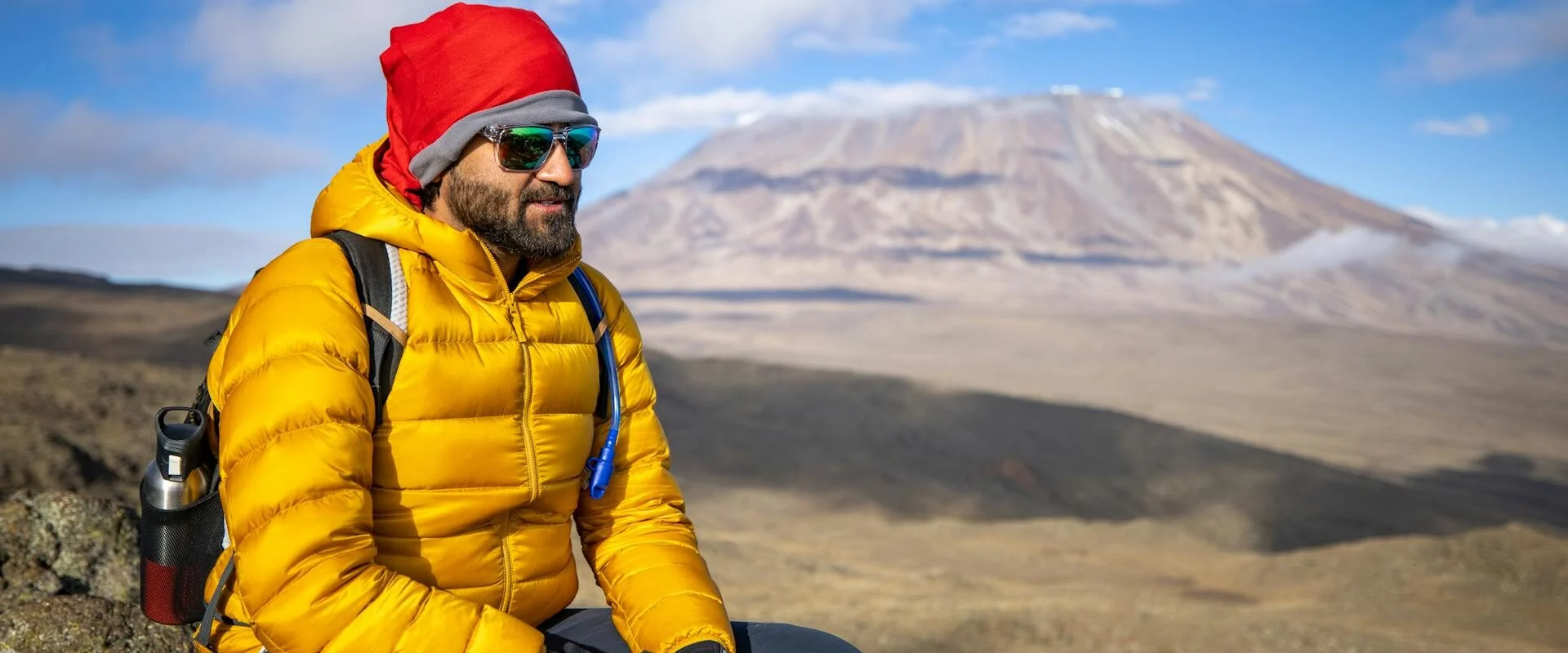
Although an extra day or two on the mountain increases the overall cost, it can dramatically improve your chances of achieving your goal.
Budget Kilimanjaro Climbs Versus Premium Kilimanjaro Expeditions
Not all Kilimanjaro climbing packages are created equal. While low-cost operators may advertise attractive prices, travelers should carefully evaluate what is included.
A reputable Kilimanjaro operator invests in guide training, quality equipment, nutritious meals, medical supplies, emergency oxygen systems, and fair porter treatment. These factors directly contribute to climber safety and overall success.
Premium Tour operators typically provide smaller guide-to-client ratios, comprehensive safety monitoring, higher-quality camping equipment, and enhanced logistical support throughout the expedition.
Additional Costs Climbers Should Consider
Beyond the climbing package itself, travelers should budget for several additional expenses.
International airfare to Tanzania is typically one of the largest extra costs. Flight prices vary depending on departure location and travel season.
Most visitors also require a Tanzania visa. Travel insurance that specifically covers high-altitude trekking is strongly recommended and often required by tour operators.
Equipment rental may be necessary for climbers who do not own specialized gear such as sleeping bags, trekking poles, insulated jackets, or summit boots.
Tips for guides, porters, and cooks should also be included in your budget. Tipping is a well-established practice on Kilimanjaro and forms an important part of mountain crew compensation.
Typical Budget Breakdown for an International Climber
A climber traveling from Europe, North America, Australia, or Asia should generally budget for more than just the advertised climbing package.
When combining the climbing package, flights, visa fees, travel insurance, gear rental, hotel stays, tips, and personal expenses, many travelers spend between $3,500 and $7,000 for a complete Kilimanjaro experience. Luxury climbers may spend considerably more depending on accommodations and travel preferences.
Why Kilimanjaro National Park Fees Are Significant
Many travelers are surprised to learn that government park fees account for a substantial portion of climbing costs. These fees support conservation efforts, environmental protection, rescue services, and park maintenance.
Because Kilimanjaro is a protected national park, maintaining sustainable tourism practices requires significant investment. The fees collected help preserve the mountain’s ecosystems for future generations.
Is Climbing Kilimanjaro Worth the Cost?
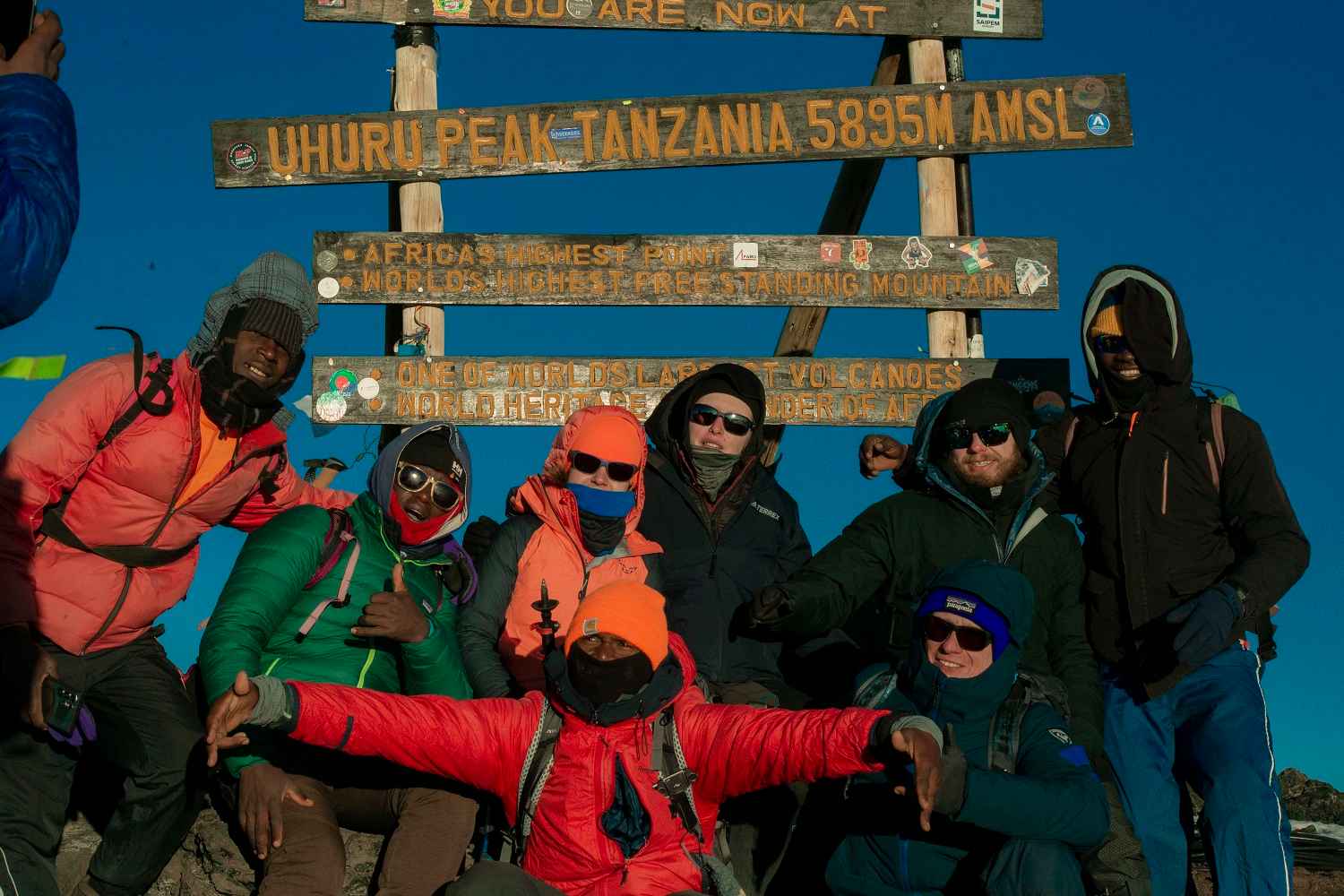
For most climbers, the answer is unquestionably yes. Reaching Uhuru Peak represents a life-changing achievement that combines physical challenge, personal determination, and unforgettable natural beauty.
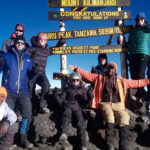
Throughout the journey, climbers pass through multiple climate zones, witness spectacular landscapes, and experience the satisfaction of standing on Africa’s highest point. The memories created during a Kilimanjaro expedition often remain among the most cherished travel experiences of a lifetime.
Choosing the Right Kilimanjaro Operator
Selecting an experienced and reputable operator is one of the most important decisions you will make. The cheapest option is not always the best choice when safety, comfort, and summit success are considered.
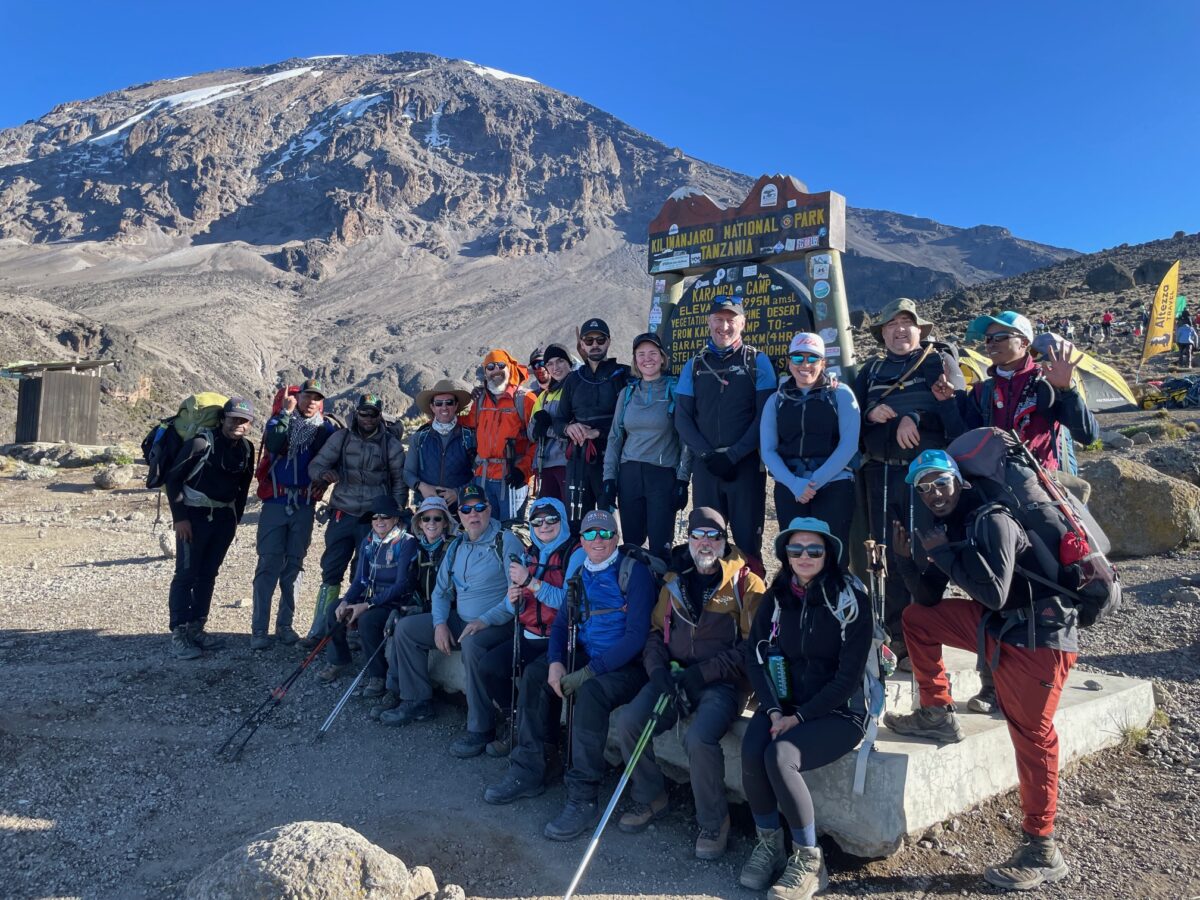
Look for operators with experienced mountain guides, strong safety protocols, quality equipment, positive reviews, and ethical porter treatment practices. A well-organized expedition can significantly enhance both your experience and your chances of reaching the summit.
Final Thoughts
The total cost of climbing Kilimanjaro to the summit depends on many factors, including route selection, expedition length, level of comfort, and travel preferences. While climbing Africa’s highest mountain represents a significant investment, it is also one of the world’s most rewarding adventure experiences.
By understanding the various expenses involved and choosing a reliable operator, climbers can plan confidently and focus on preparing for the incredible journey ahead.
At Great Journey Safaris, we offer carefully designed Kilimanjaro climbing packages that prioritize safety, comfort, responsible tourism, and summit success. Whether you are seeking a budget-friendly trek or a luxury mountain experience, our expert team is ready to help you achieve your dream of standing on the Roof of Africa.