Prepare for your adventure with our Kilimanjaro Trekking Preparation Guidelines, covering fitness, packing, altitude acclimatization, training, and essential tips for first-time climbers with Great Journey Safaris.
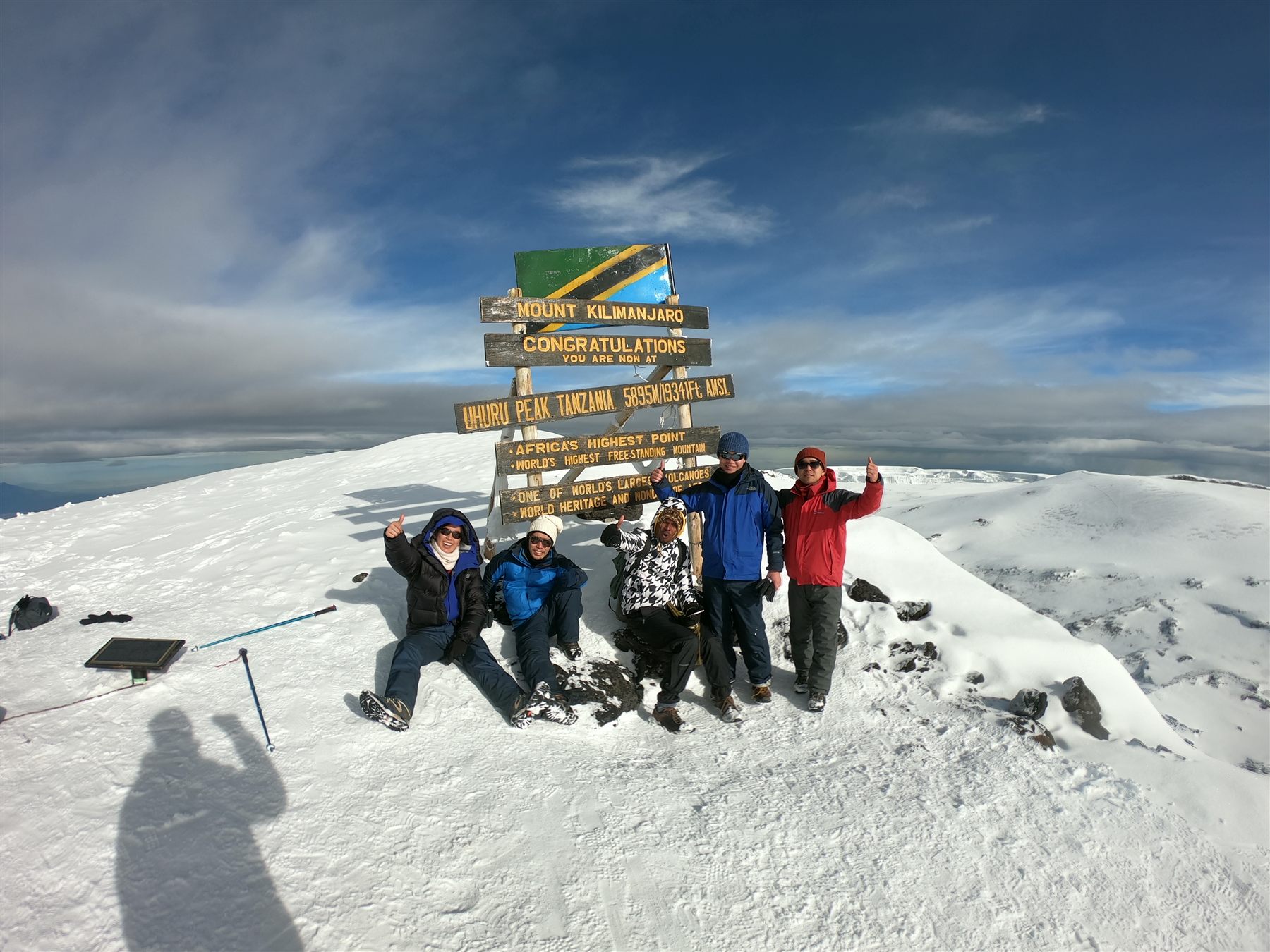
Climbing Mount Kilimanjaro is a life-changing adventure that attracts thousands of trekkers from around the world every year. Rising to 5,895 meters (19,341 feet), Kilimanjaro is the highest mountain in Africa and the tallest free-standing mountain on Earth. Reaching Uhuru Peak is a remarkable achievement, but it requires thoughtful preparation, realistic expectations, and the support of an experienced mountain team.
Many first-time climbers wonder whether they are capable of reaching the summit. The encouraging news is that thousands of beginners successfully climb Kilimanjaro every year. Unlike technical mountains that require climbing experience, ropes, or ice axes, Kilimanjaro is a trekking mountain. However, its high altitude, changing weather conditions, and several consecutive days of hiking make preparation essential.
At Great Journey Safaris, we believe that the journey to the Roof of Africa begins long before you arrive in Tanzania. Proper preparation not only improves your chances of reaching the summit but also allows you to enjoy every stage of the adventure with confidence.
Understand What Makes Kilimanjaro Challenging
One of the biggest misconceptions about Mount Kilimanjaro is that it is simply a long hike. In reality, the mountain presents several challenges that first-time climbers should understand before they begin their expedition.
The greatest obstacle is altitude rather than steep trails. As you ascend, oxygen levels gradually decrease, making physical activity more demanding. Long trekking days, cold temperatures near the summit, and rapidly changing weather conditions also contribute to the overall challenge.
Knowing what to expect allows you to prepare both physically and mentally, making the experience more enjoyable from start to finish.
Choose the Right Route for Your Experience Level
Selecting the appropriate route is one of the most important decisions you will make. Each Kilimanjaro route offers different scenery, difficulty levels, acclimatization opportunities, and trekking durations.
For first-time climbers, routes that allow gradual altitude gain generally provide the highest chances of summit success. The Lemosho Route and the Machame Route are among the most popular choices because they combine beautiful scenery with excellent acclimatization profiles. The Rongai Route is another good option, especially for those seeking quieter trails and a gentler ascent.
While shorter routes may seem attractive because they cost less and require fewer vacation days, they often provide less time for acclimatization. Spending seven or eight days on the mountain significantly improves your chances of reaching Uhuru Peak comfortably.
Begin Physical Training Well Before Your Trip
Good physical preparation is one of the most effective ways to increase your confidence before climbing Kilimanjaro.
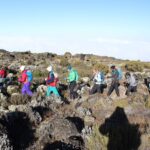
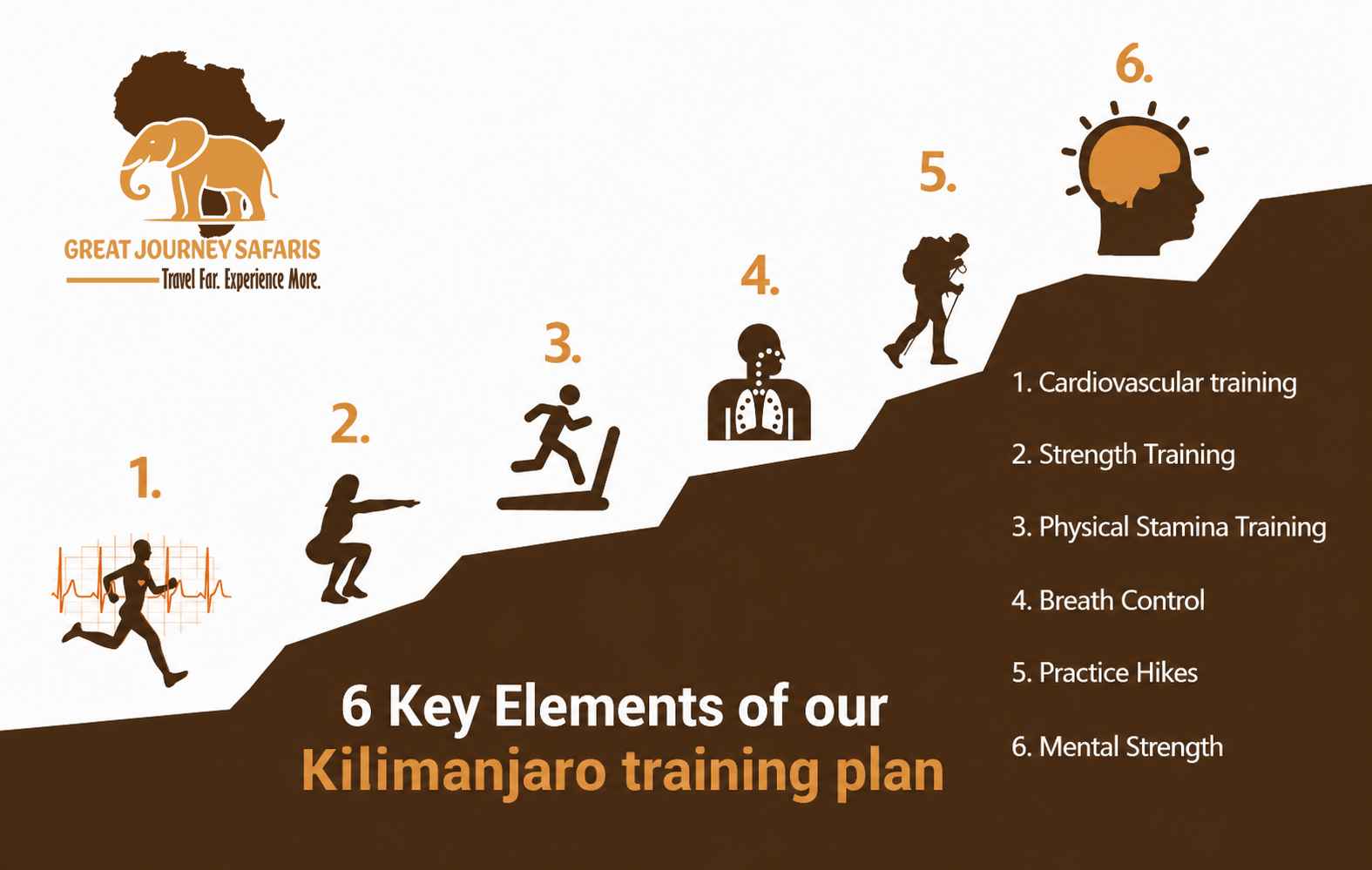
Training should ideally begin at least two to three months before your departure. Your goal is not to become a professional athlete but to develop the endurance needed for several consecutive days of hiking.
Walking long distances, hiking local trails, climbing stairs, cycling, jogging, swimming, and other cardiovascular exercises all help improve stamina. Strength training focused on the legs, core, and lower back also prepares your body for carrying a daypack while walking on uneven terrain.
Whenever possible, practice hiking with the boots and backpack you intend to use during your expedition. This helps prevent discomfort and allows you to become familiar with your equipment before arriving in Tanzania.
Prepare Mentally for the Journey
Physical fitness is only one part of climbing Kilimanjaro. Mental preparation is equally important.
The trek involves early mornings, changing weather, long hiking days, and the physically demanding summit night. There may be moments when you feel tired or question your ability to continue.
Successful climbers often focus on maintaining a positive attitude rather than worrying about reaching the summit immediately. Taking one step at a time, listening to your guides, and celebrating daily progress can make a tremendous difference throughout the expedition.
Patience, determination, and resilience are often the qualities that help climbers achieve their goal.
Learn About Altitude and Acclimatization
Altitude sickness is one of the main reasons some climbers do not reach the summit. Understanding how altitude affects the body is therefore an essential part of your preparation.
As you climb higher, the reduced oxygen levels require your body to gradually adapt. This natural process is known as acclimatization.
The best way to support acclimatization is by climbing slowly, drinking plenty of water, eating regular meals, and choosing an itinerary with sufficient time on the mountain. Experienced guides follow the principle of “pole pole,” meaning “slowly, slowly” in Swahili, to help climbers adjust safely.
Ignoring your guide’s advice or attempting to climb too quickly often reduces your chances of success.
Invest in Quality Trekking Equipment
Having the right equipment greatly improves comfort throughout the climb.
Your clothing should allow you to adapt easily to changing temperatures. The lower slopes of Kilimanjaro are usually warm and humid, while summit temperatures often fall well below freezing.
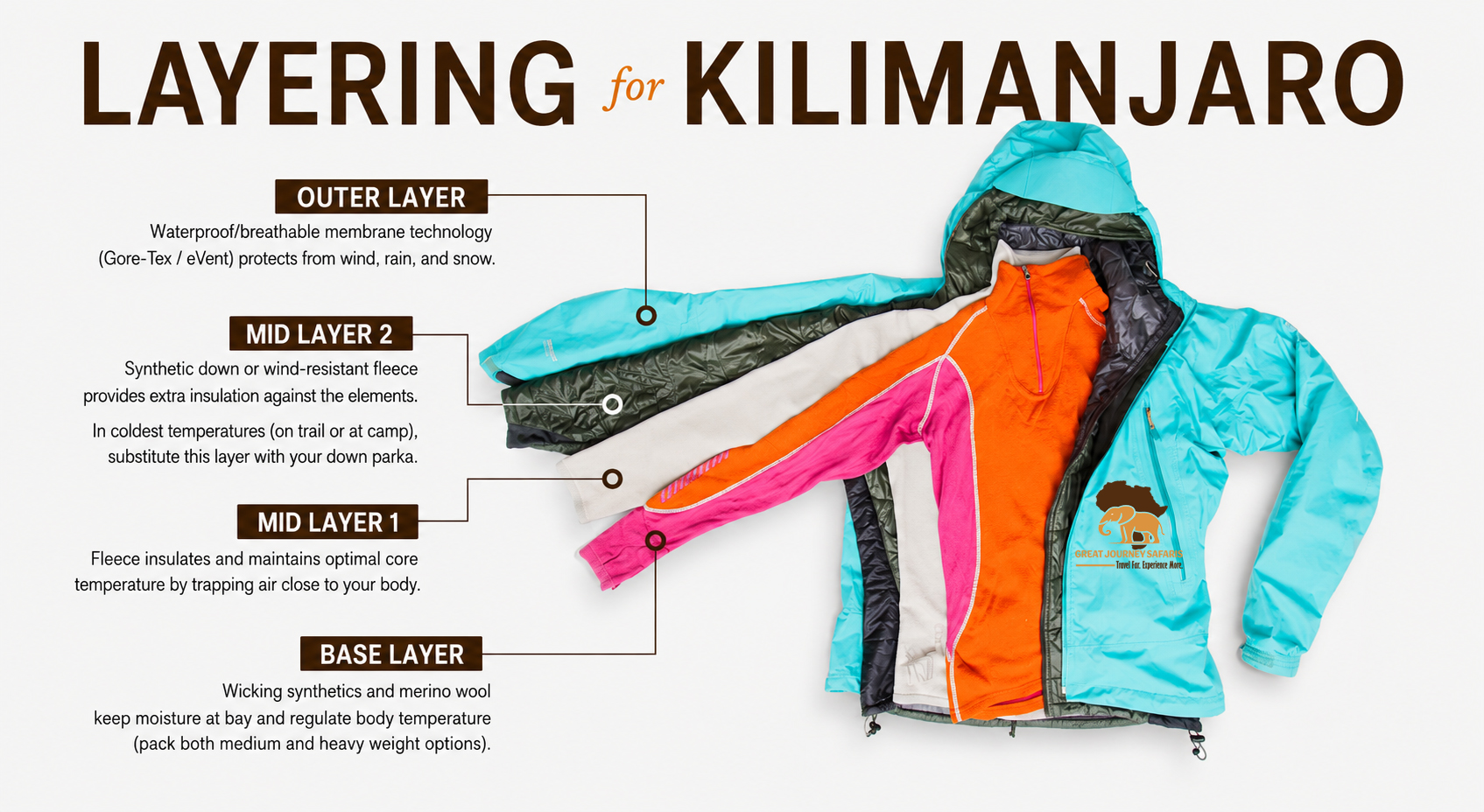
Layering is the most effective approach because it allows you to add or remove clothing as conditions change. Waterproof outerwear, insulated jackets, warm gloves, thermal clothing, moisture-wicking base layers, and a reliable sleeping bag all contribute to a more comfortable experience.
Properly fitted hiking boots are especially important. Wearing new boots for the first time on Kilimanjaro often leads to blisters and unnecessary discomfort. Breaking them in during training hikes is highly recommended.
Pack Smart Without Overloading Yourself
Packing efficiently is just as important as choosing quality gear.
Porters carry your main duffel bag, while you only carry a lightweight daypack containing essentials such as water, snacks, rain gear, sunscreen, a camera, and personal medications.
Avoid bringing unnecessary items simply because extra space is available. Packing thoughtfully makes the journey easier for both you and your mountain crew.
Many reputable operators also provide detailed packing lists to help first-time climbers prepare effectively.
Stay Hydrated Throughout the Climb
Hydration plays a vital role in maintaining energy levels and supporting acclimatization.
The dry mountain air, physical exertion, and higher altitude all increase fluid loss, even when temperatures feel cool. Drinking water consistently throughout each day helps reduce fatigue and may lessen some altitude-related symptoms.
Experienced guides regularly remind climbers to drink enough water, even if they do not feel particularly thirsty.
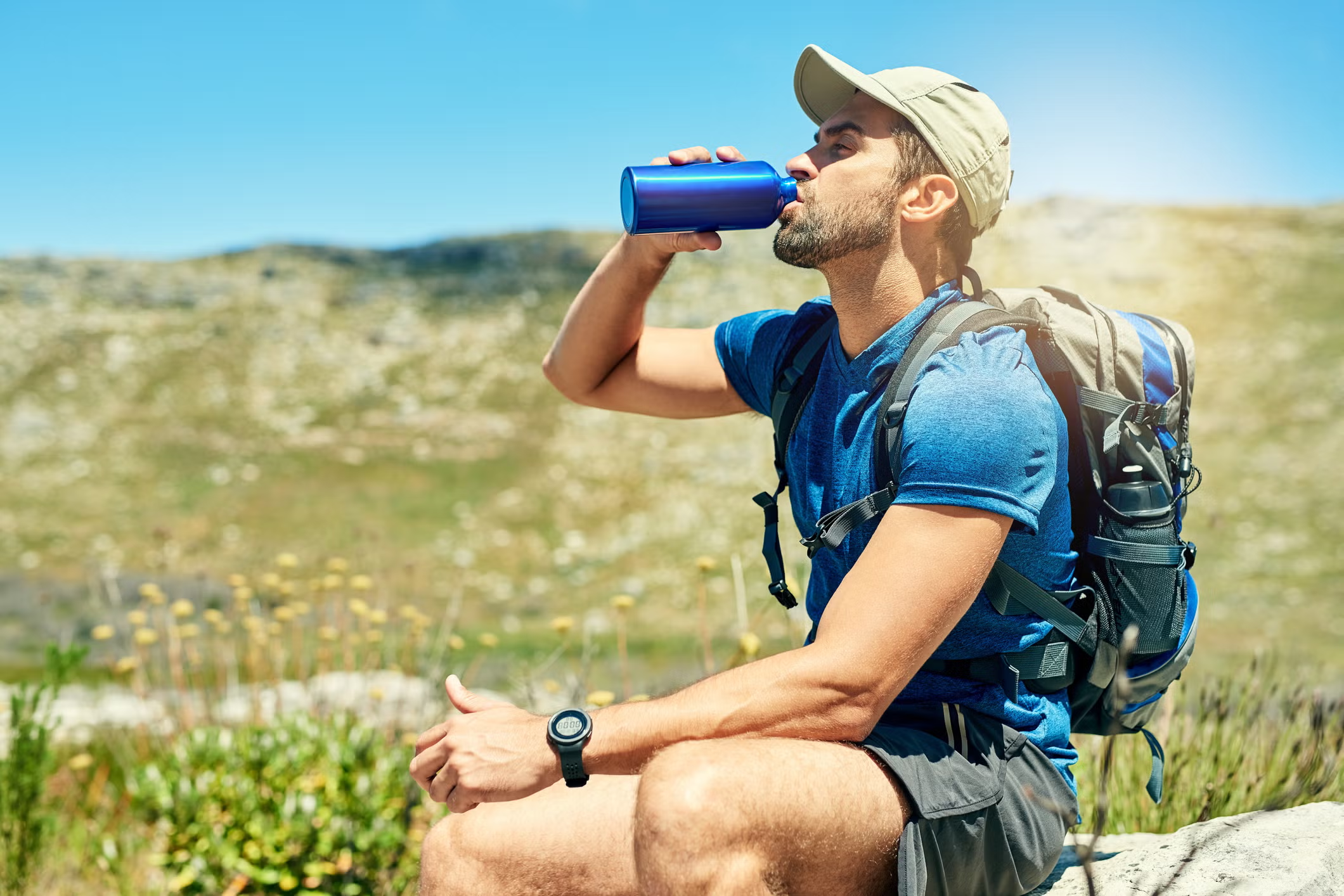
Combining proper hydration with balanced meals provides the energy needed for several days of trekking.
Eat Well Even When Your Appetite Changes
Some climbers notice that their appetite decreases as they gain altitude. However, maintaining good nutrition remains extremely important.
Mountain cooks prepare balanced meals that provide carbohydrates, proteins, vegetables, fruits, and warm drinks to support your energy needs.
Even if you do not feel particularly hungry, eating regularly helps your body cope with physical activity and altitude more effectively.
Nutritious snacks carried in your daypack can also provide valuable energy between meals.
Understand the Importance of Summit Night
Summit night is often regarded as the most demanding stage of the Kilimanjaro climb.
The ascent typically begins around midnight so climbers can reach Uhuru Peak shortly after sunrise. Hiking in darkness, cold temperatures, and thin air requires determination and steady pacing.
Your guides will encourage you to move slowly while monitoring your condition throughout the ascent. The key to success is conserving energy rather than rushing toward the summit.
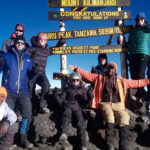
Reaching the top as the sun rises above the African plains is one of the most unforgettable moments of the entire expedition.
Listen to Your Mountain Guides
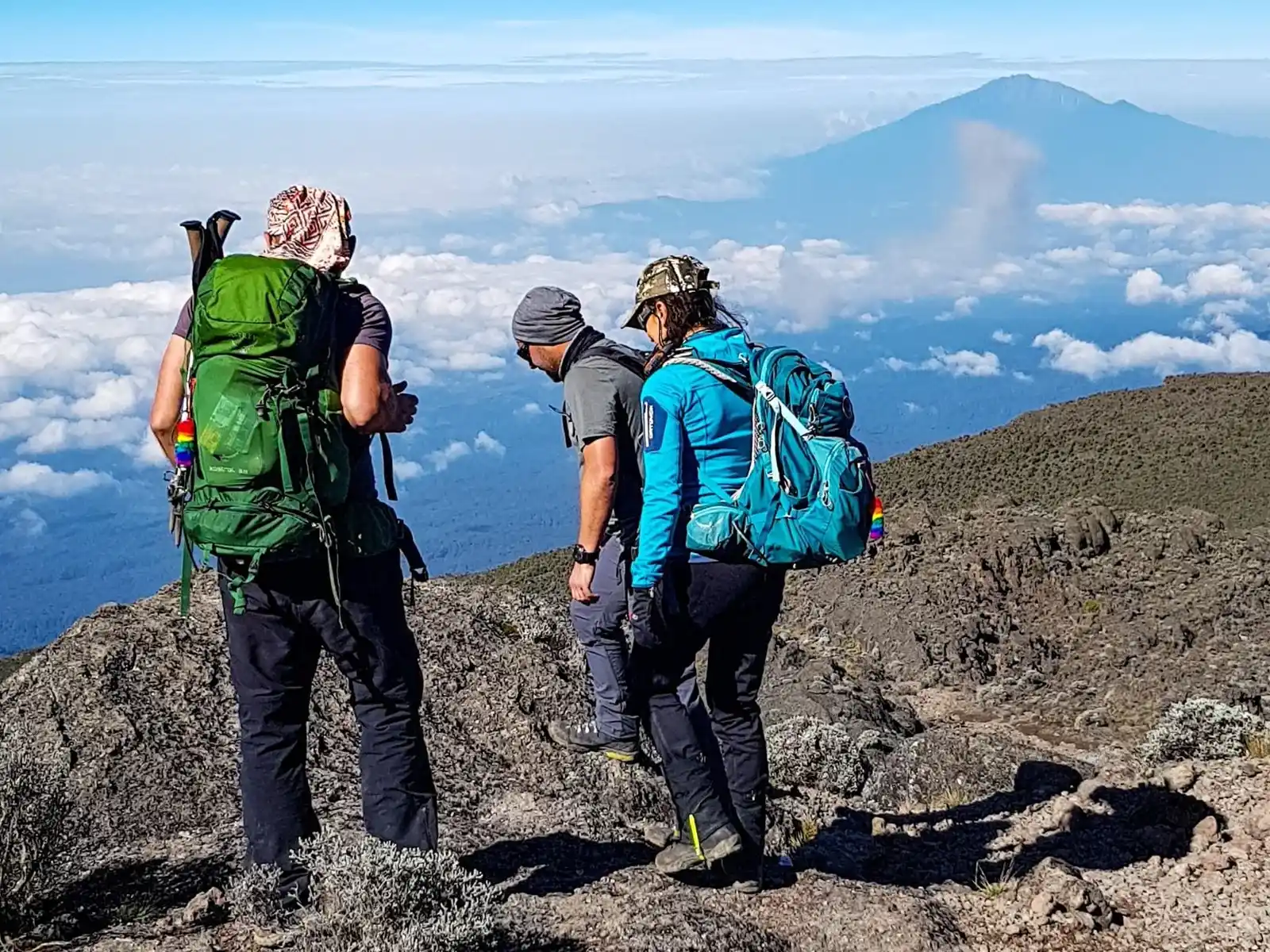
One of the greatest advantages of climbing with an experienced operator is the expertise of the mountain guides.
They carefully monitor each climber’s pace, health, hydration, and acclimatization while making decisions that prioritize safety. They also provide motivation during difficult moments and share valuable knowledge about the mountain’s geology, ecology, and history.
Following your guides’ advice greatly improves both your safety and your likelihood of reaching the summit.
Respect the Mountain Environment
Mount Kilimanjaro is not only an iconic trekking destination but also a protected natural environment and a UNESCO World Heritage Site.
Responsible trekkers help preserve the mountain by avoiding littering, respecting wildlife, staying on designated trails, and minimizing their environmental impact throughout the expedition.
Supporting responsible tourism also includes climbing with operators that promote ethical porter treatment, environmental conservation, and sustainable mountain practices.
Consider Travel Insurance
Travel insurance is an important part of preparing for any high-altitude adventure.
A comprehensive policy should include emergency medical treatment, trip interruptions, baggage protection, and high-altitude trekking coverage. Because climbing Kilimanjaro takes place at nearly 6,000 meters, it is essential to confirm that your insurance specifically covers trekking to this elevation.
Having appropriate insurance provides peace of mind throughout your journey.

Plan Time for Recovery After the Climb
Many first-time climbers focus entirely on reaching the summit without considering recovery afterward.
After several days of trekking, your body benefits from rest before traveling home or continuing to another destination. Many visitors choose to spend a night or two in Arusha or Moshi before embarking on a wildlife safari or relaxing on the beaches of Zanzibar.
This recovery period allows you to celebrate your achievement while giving your body time to recover from the physical demands of the climb.
Why Choose Great Journey Safaris for Your Kilimanjaro Adventure?
At Great Journey Safaris, we understand that climbing Kilimanjaro is one of the most important adventures many travelers will ever undertake. Our experienced mountain guides, professional porters, skilled cooks, and dedicated support team are committed to providing a safe, enjoyable, and rewarding trekking experience.
We offer carefully planned itineraries with excellent acclimatization schedules, quality camping equipment, nutritious meals, and personalized support from your arrival in Tanzania until your successful descent from the mountain.
Whether you are climbing for personal achievement, charity, adventure, or simply to fulfill a lifelong dream, we are here to help you prepare with confidence and reach the summit safely.
Final Thoughts
Preparing for Mount Kilimanjaro is about much more than packing a backpack. It involves building physical endurance, developing mental resilience, understanding altitude, choosing the right route, and working with an experienced mountain team that prioritizes safety and success.
With proper preparation, thousands of first-time climbers successfully reach Uhuru Peak every year. By starting your training early, investing in suitable equipment, following your guides’ advice, and allowing enough time for acclimatization, you can greatly increase your chances of standing on the highest point in Africa.
At Great Journey Safaris, we are committed to helping every climber turn the dream of conquering Mount Kilimanjaro into an unforgettable reality through expert guidance, personalized service, and a passion for sharing Tanzania’s greatest mountain adventure.