Learn What Are the Risks Associated with Climbing Kilimanjaro, including altitude sickness, weather, fitness, safety precautions, and expert tips to help you prepare for a safe and successful summit with Great Journey Safaris.
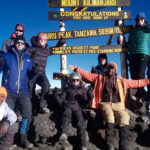
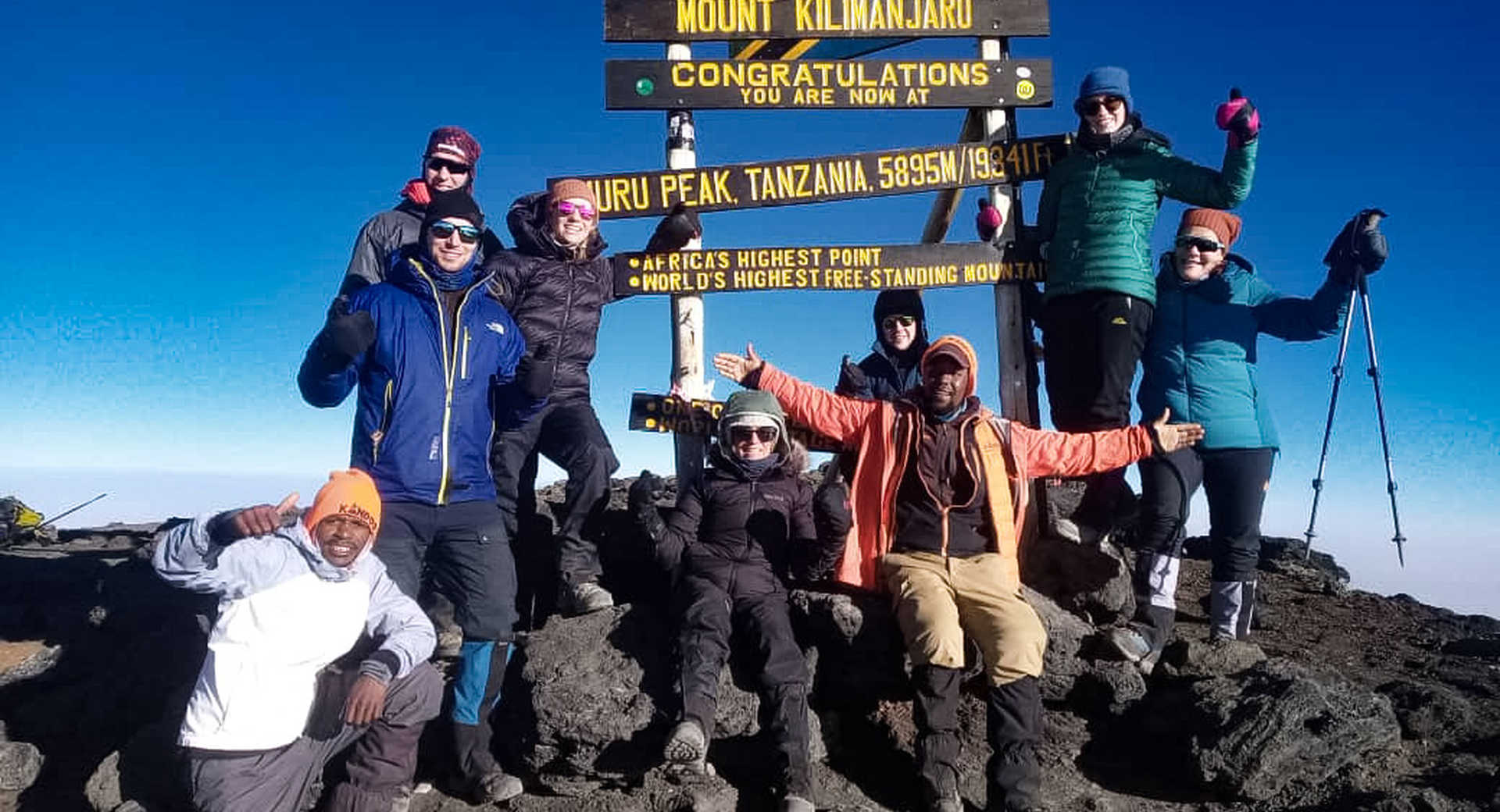
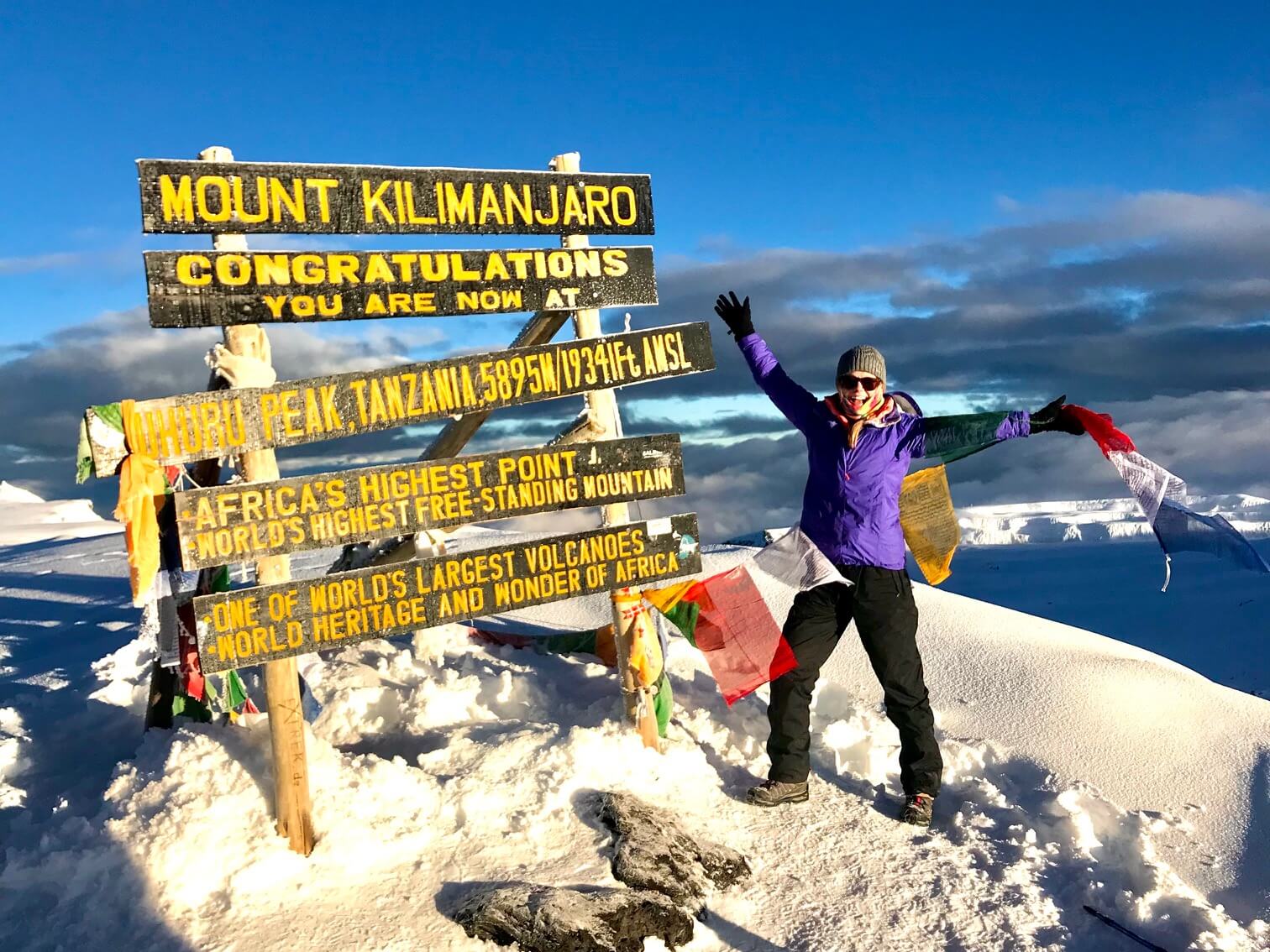
Climbing Mount Kilimanjaro is one of the most rewarding adventures in the world. Rising to 5,895 meters (19,341 feet), Africa’s highest mountain attracts thousands of trekkers every year who dream of standing on the iconic Uhuru Peak. Unlike many high mountains, Kilimanjaro does not require technical climbing skills, making it accessible to people with a wide range of hiking experience. However, this does not mean the climb is without risks.
Like any high-altitude expedition, climbing Kilimanjaro presents several challenges that every traveler should understand before beginning the journey. The good news is that most of these risks can be significantly reduced through proper preparation, choosing the right itinerary, using quality equipment, and climbing with an experienced and responsible tour operator.
At Great Journey Safaris, the safety of our guests is our highest priority. We believe that well-informed climbers are better prepared to enjoy a safe, comfortable, and successful trek to the Roof of Africa.
Altitude Sickness Is the Greatest Challenge
The most significant risk associated with climbing Kilimanjaro is altitude sickness. As climbers ascend, the air becomes thinner, reducing the amount of oxygen available with each breath. Even healthy and physically fit individuals can experience altitude-related symptoms because the body’s response to high elevation is unpredictable.
Common symptoms may include headaches, nausea, dizziness, fatigue, loss of appetite, and difficulty sleeping. These mild symptoms often improve with proper hydration, adequate rest, and a slow ascent. However, if symptoms become more severe, immediate action is essential.
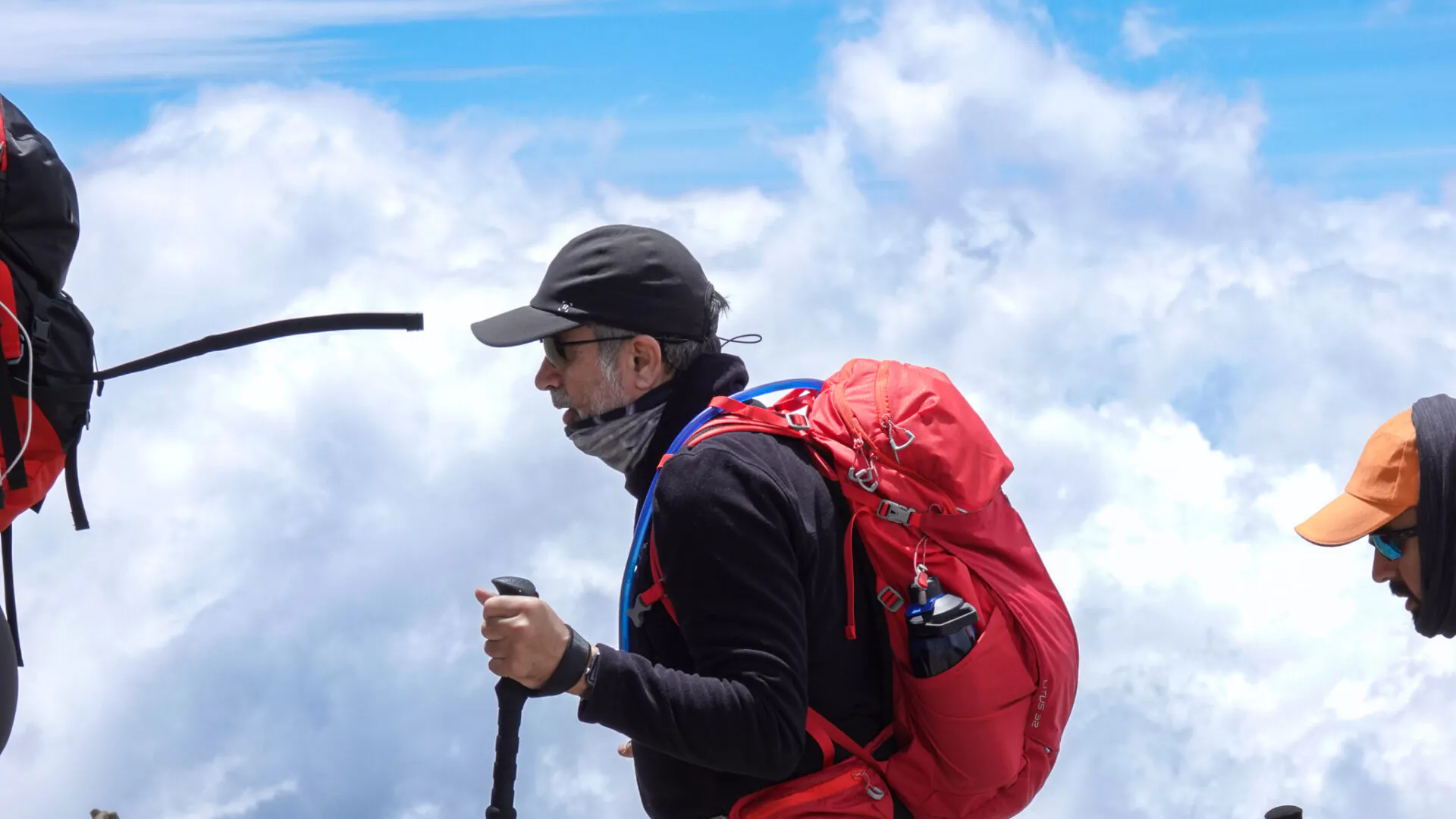
Experienced mountain guides closely monitor every climber throughout the expedition, regularly checking their condition and ensuring that anyone showing signs of significant altitude illness receives appropriate attention. Choosing a longer itinerary with sufficient acclimatization time is one of the most effective ways to reduce this risk.
Rapid Ascent Can Reduce Your Chances of Success
One of the biggest mistakes climbers make is underestimating the importance of acclimatization.
Although shorter itineraries may appear attractive because they save time and reduce costs, they often provide insufficient time for the body to adjust to increasing altitude. A rapid ascent not only lowers summit success rates but also increases the likelihood of experiencing altitude-related problems.
Routes such as Lemosho, Machame, and the Northern Circuit are widely recommended because they allow a more gradual ascent, giving the body valuable time to acclimatize before attempting the summit.
At Great Journey Safaris, we encourage climbers to choose itineraries that prioritize safety rather than simply reaching the summit as quickly as possible.
Changing Weather Conditions
One of the unique characteristics of Mount Kilimanjaro is its incredible variety of climates.
During a single climb, trekkers may walk through warm tropical rainforest, cool heath and moorland, dry alpine desert, and freezing Arctic conditions near the summit. Temperatures can change dramatically within just a few hours.
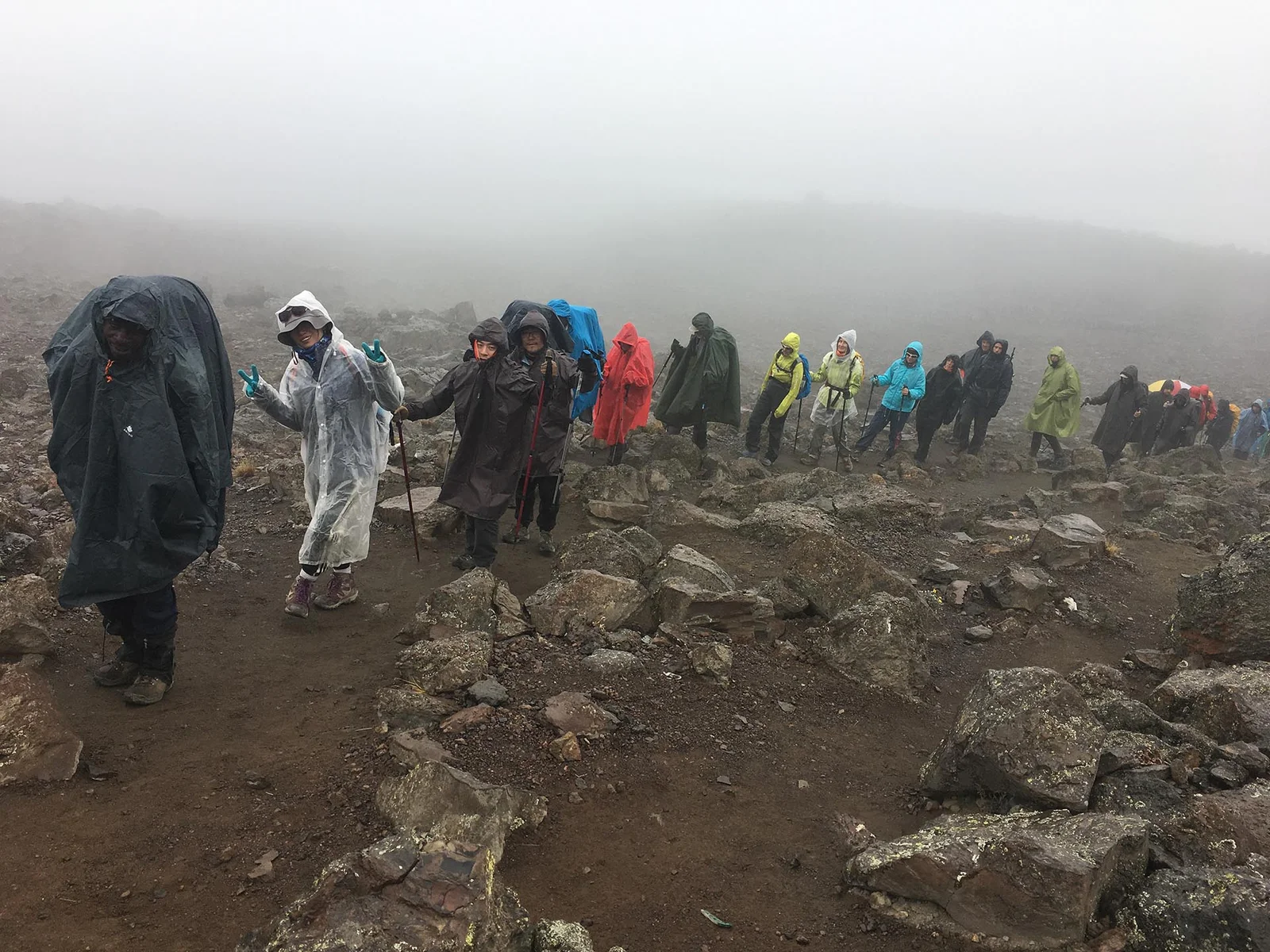
Rain, strong winds, cold temperatures, and occasional snowfall near Uhuru Peak can make the climb more physically demanding if climbers are not properly equipped.
Dressing in layers allows trekkers to adapt comfortably to changing weather while remaining warm and dry throughout the expedition.
Cold Temperatures Near the Summit
Summit night is often the coldest part of the entire expedition.
Temperatures can fall well below freezing before sunrise, particularly during the dry seasons when skies are clear. Combined with wind and high altitude, these conditions make proper insulation essential.
Quality thermal clothing, insulated jackets, warm gloves, thick socks, and a suitable winter hat help maintain body temperature during the final ascent.
Remaining warm also helps conserve energy and improve overall comfort throughout summit night.
Physical Fatigue During the Trek
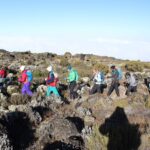
Although Kilimanjaro does not require technical climbing, the expedition involves several consecutive days of hiking across varied terrain.
Daily trekking distances, combined with increasing altitude, gradually place greater demands on the body. Summit night is particularly demanding because climbers hike for several hours during darkness before reaching Uhuru Peak.
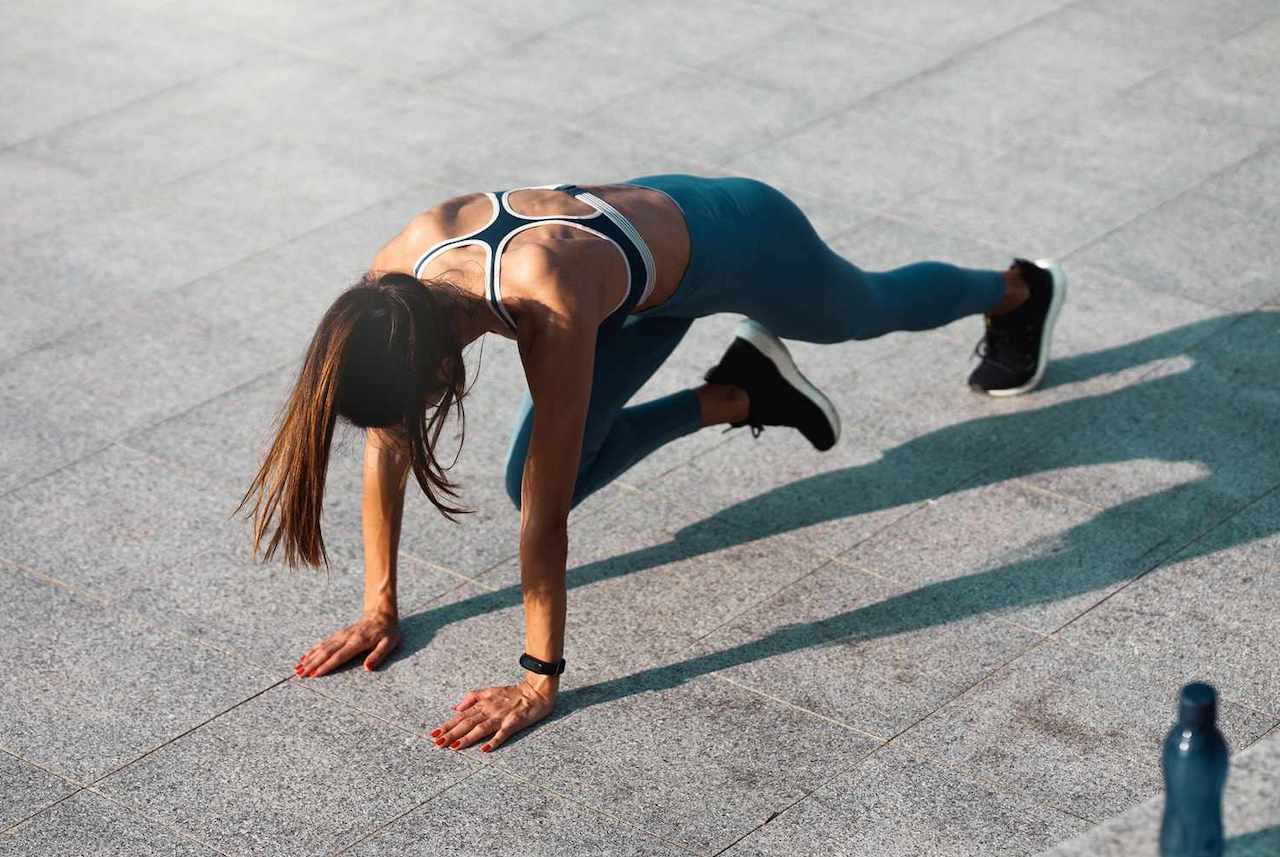
Preparing through regular cardiovascular exercise, hiking, and strength training before arriving in Tanzania helps reduce fatigue and increases overall enjoyment during the climb.
Maintaining a steady pace rather than rushing is equally important.
Dehydration at High Altitude
Many first-time climbers underestimate how quickly dehydration can develop on the mountain.
Dry mountain air, physical exertion, and increased breathing at higher elevations all contribute to greater fluid loss. Dehydration may worsen fatigue and make acclimatization more difficult.
Mountain guides encourage climbers to drink water consistently throughout each day, even when they do not feel particularly thirsty.
Carrying sufficient drinking water and maintaining regular hydration are simple yet highly effective ways to support a successful climb.
Inadequate Nutrition
The body requires significant energy during a multi-day trek.
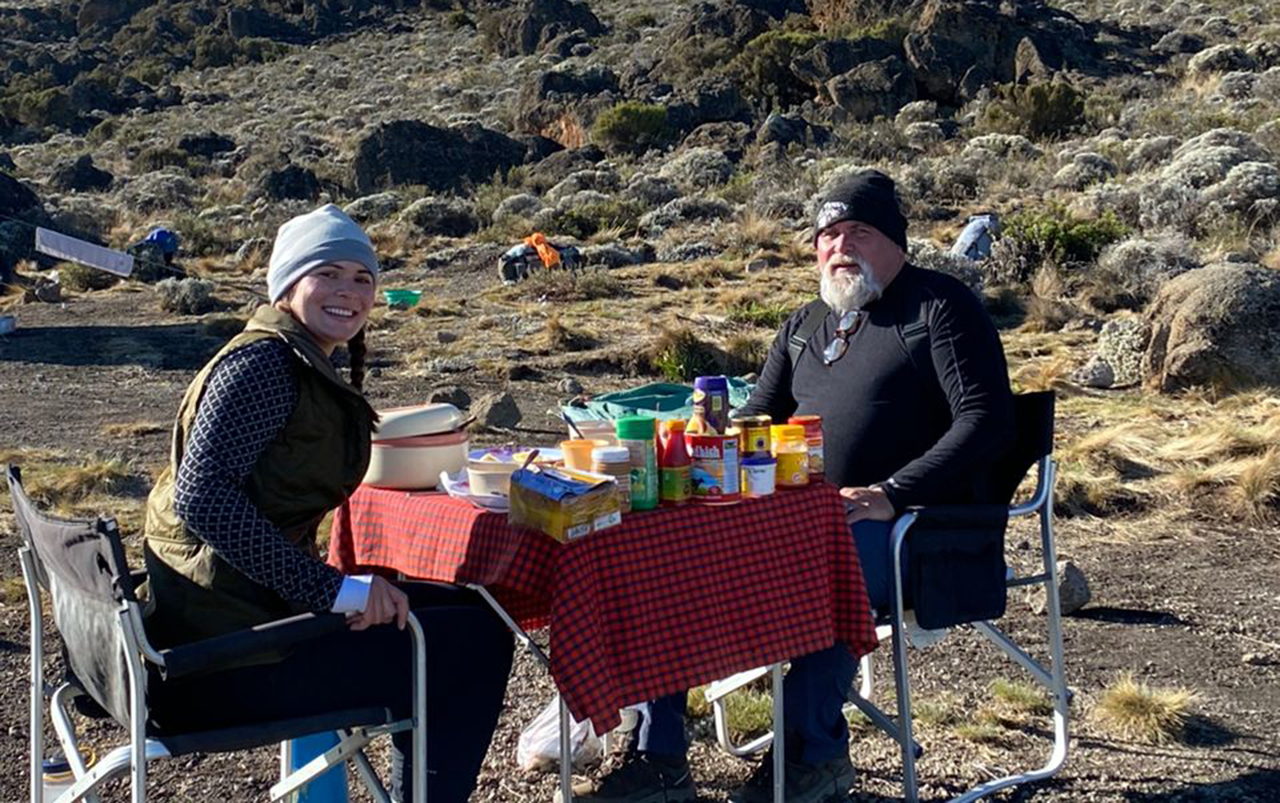
At higher elevations, some climbers experience a reduced appetite, making it tempting to skip meals. However, maintaining regular food intake provides the carbohydrates, proteins, and nutrients needed to support physical activity and acclimatization.
Professional mountain cooks prepare balanced meals specifically designed for high-altitude trekking. Even when appetite decreases, eating smaller portions regularly helps maintain energy levels throughout the expedition.
Poorly Fitted Equipment
One of the most preventable risks on Kilimanjaro is using inappropriate or poorly fitted equipment.
New hiking boots that have never been worn, unsuitable clothing, low-quality sleeping bags, or poorly adjusted backpacks can create unnecessary discomfort throughout the trek.
Blisters, cold exposure, and muscle strain are often linked to equipment rather than the mountain itself.
Testing your gear before departure and following a recommended packing list helps eliminate many avoidable problems.
Sun Exposure at High Altitude
Although summit temperatures are cold, the sun’s ultraviolet radiation becomes much stronger as elevation increases.
Without adequate protection, climbers may experience sunburn or eye discomfort, even on cool days.
Applying high-SPF sunscreen regularly, wearing UV-protective sunglasses, and using a wide-brimmed hat during lower sections of the climb help protect against prolonged sun exposure.
These simple precautions greatly improve comfort throughout the journey.
Slippery and Uneven Terrain
The mountain’s trails vary considerably depending on the route and weather conditions.
Some sections contain loose volcanic gravel, rocky paths, tree roots, or wet surfaces after rainfall. Descending from the summit can be particularly demanding because loose scree requires careful footing.
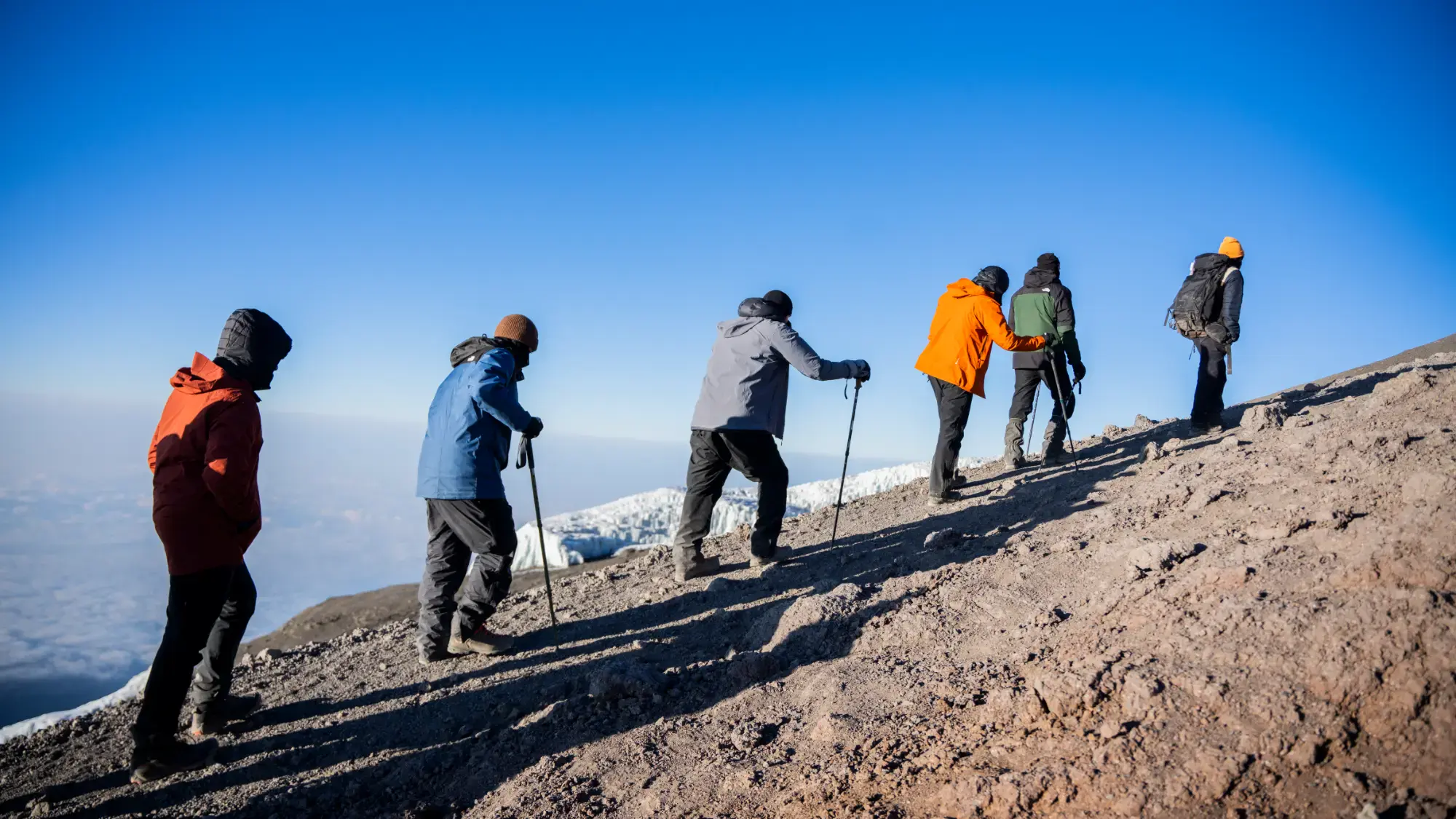
Using trekking poles provides additional stability, reduces strain on the knees, and improves balance during both ascents and descents.
Walking carefully and following guide instructions minimizes the likelihood of slips or minor injuries.
Mental Challenges Throughout the Climb
Climbing Kilimanjaro is as much a mental journey as a physical one.
Several days of hiking, changing weather, early mornings, and the demanding summit attempt require patience, determination, and resilience. There may be moments when fatigue or altitude makes the journey feel more difficult than expected.
Maintaining a positive attitude, focusing on one step at a time, and trusting your guides often make a tremendous difference in overcoming these challenges.
Many climbers discover that mental strength becomes one of their greatest assets on the mountain.
Why Choosing the Right Tour Operator Matters
One of the most important decisions you make before climbing Kilimanjaro is selecting your tour operator.
Experienced operators provide qualified mountain guides, well-maintained camping equipment, emergency oxygen, first-aid supplies, regular health monitoring, nutritious meals, and responsible mountain crews.
Professional guides are trained to recognize early signs of altitude illness and make informed decisions that prioritize climber safety over summit success.
A reputable operator also follows ethical porter welfare practices and maintains high standards throughout the expedition.
Travel Insurance Is an Important Safety Measure
Comprehensive travel insurance should be considered an essential part of planning a Kilimanjaro expedition.
Policies should specifically include high-altitude trekking, emergency medical treatment, evacuation services where applicable, trip interruption, and baggage protection.
Reviewing your policy carefully before traveling ensures you understand the level of coverage available during your climb.
Having suitable insurance provides additional peace of mind throughout your adventure.
Proper Preparation Reduces Most Risks
Although Kilimanjaro presents genuine challenges, careful preparation significantly reduces many of the risks associated with the climb.
Beginning physical training several months before departure, selecting an itinerary with sufficient acclimatization time, packing appropriate equipment, staying hydrated, eating nutritious meals, and listening to your guides all contribute to a safer expedition.
Preparation also includes understanding what to expect, allowing climbers to approach the mountain with confidence rather than uncertainty.
Why Climb Kilimanjaro with Great Journey Safaris?
At Great Journey Safaris, safety is at the heart of every Kilimanjaro expedition we organize.
Our experienced mountain guides are trained in wilderness first aid, altitude awareness, and emergency response procedures. Throughout every climb, we carefully monitor our guests’ health while encouraging the slow and steady pace that has become synonymous with successful Kilimanjaro trekking.
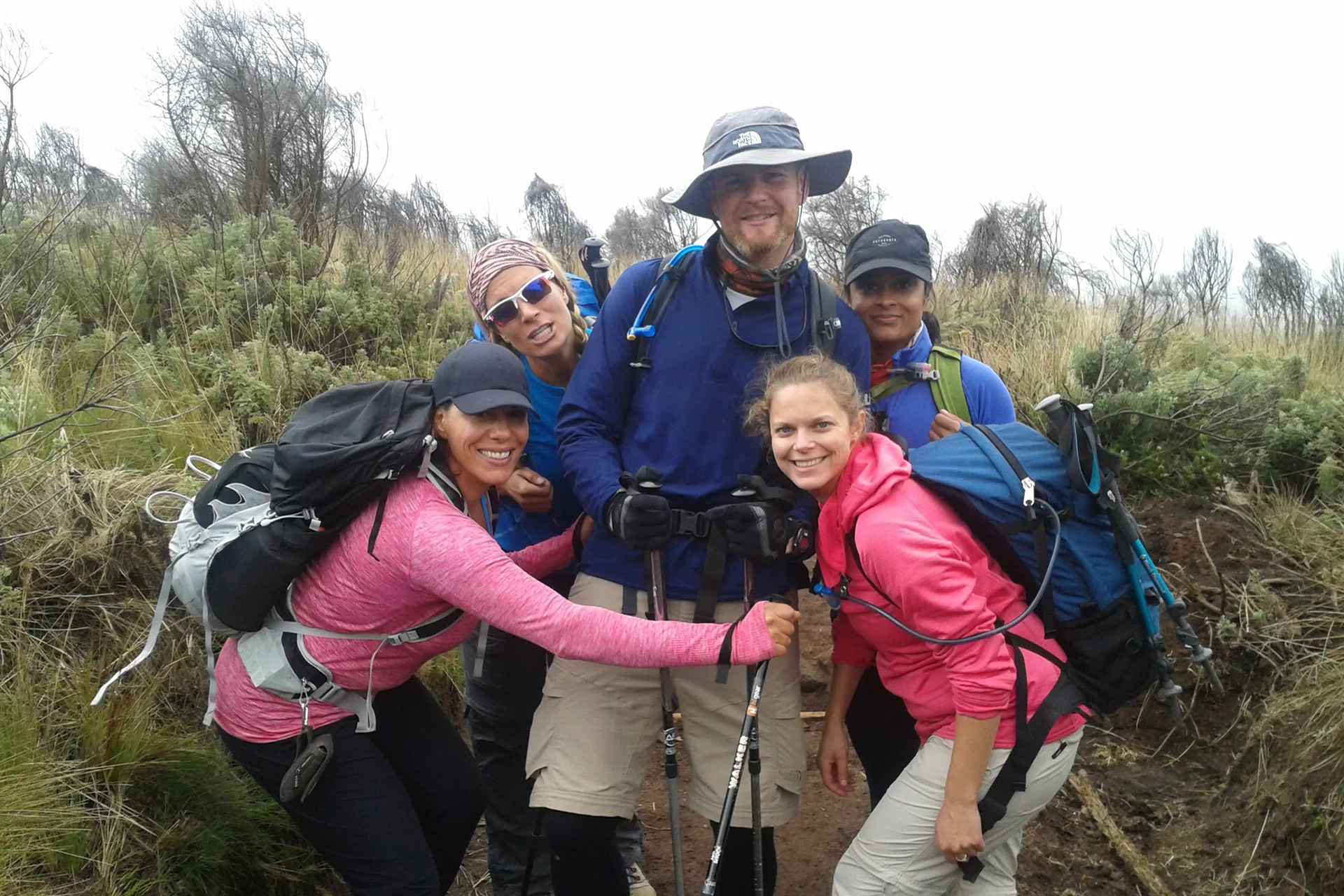
We provide high-quality camping equipment, nutritious meals, experienced support crews, and carefully designed itineraries that maximize acclimatization and enhance summit success.
Our commitment is not simply to help you reach Uhuru Peak but to ensure that every stage of your journey is safe, enjoyable, and unforgettable.
Final Thoughts
Climbing Mount Kilimanjaro is an extraordinary adventure that offers breathtaking scenery, personal achievement, and memories that last a lifetime. While the mountain does present risks—including altitude sickness, changing weather, physical fatigue, dehydration, and cold temperatures—these challenges can be managed effectively through proper preparation and responsible guiding.
The key to a successful climb lies in choosing the right itinerary, allowing adequate time for acclimatization, investing in quality equipment, maintaining good physical fitness, and trekking with an experienced operator that places safety above everything else.
With Great Journey Safaris, you can approach your Kilimanjaro adventure with confidence, knowing that every detail has been carefully planned to provide the safest and most rewarding experience possible as you pursue your dream of standing on the highest point in Africa.