Learn Mount Kilimanjaro tipping guidelines, including recommended tips for guides, cooks, and porters, plus practical advice for budgeting and distributing gratuities fairly.
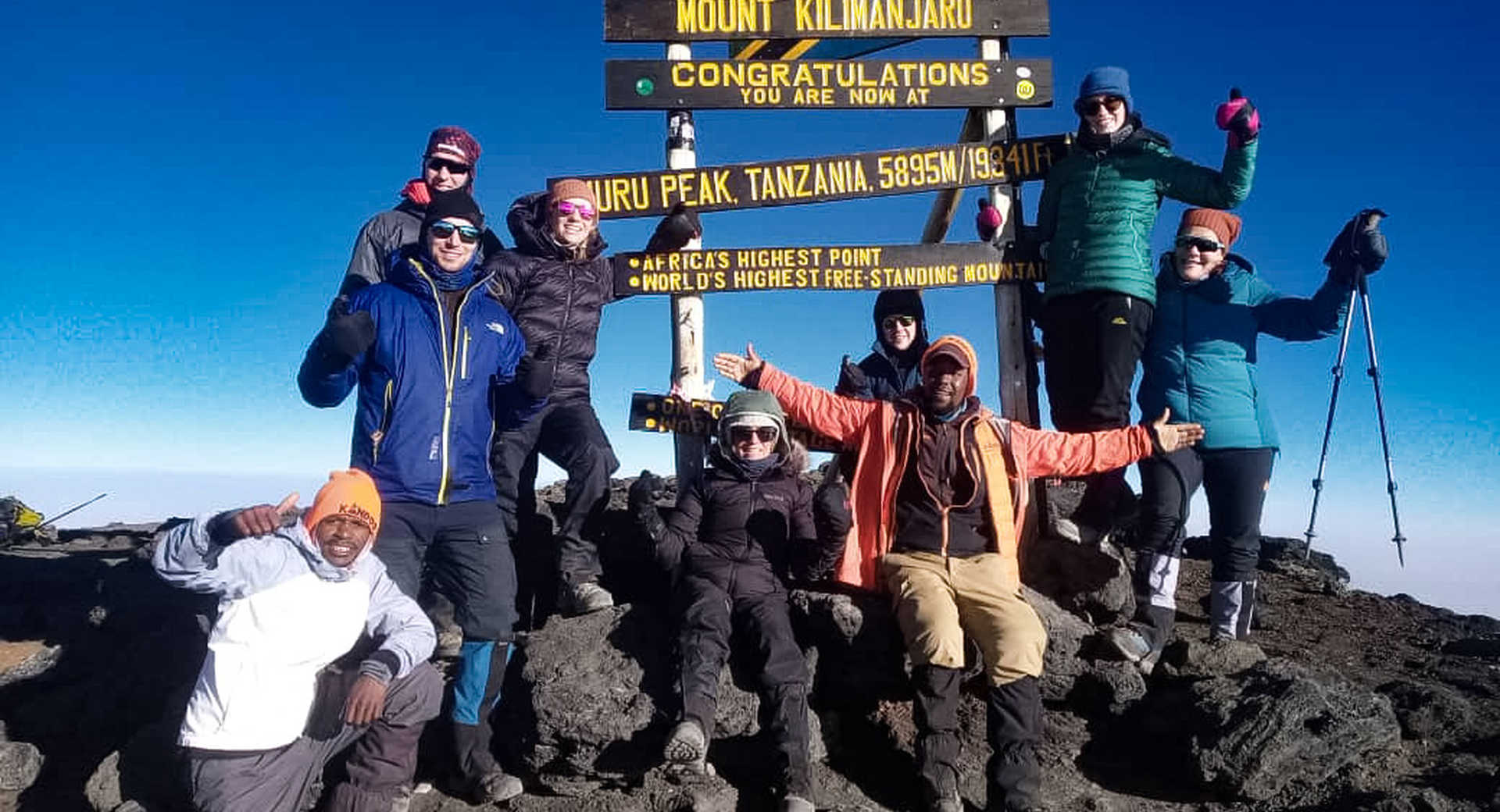
Climbing Mount Kilimanjaro is an unforgettable adventure that requires determination, physical preparation, and the support of an experienced mountain crew. From the guides who lead you toward Uhuru Peak to the porters who carry equipment and the cooks who prepare meals at high altitude, many people work together to make your Kilimanjaro trekking experience possible.
One of the most common questions travelers ask before climbing Africa’s highest mountain is: How much should you tip your Kilimanjaro guides and porters?
Tipping is an established practice on Mount Kilimanjaro and is an important way for climbers to recognize the hard work of their mountain crew. Although tips are generally voluntary, they form a significant part of the earnings of many trekking staff. Understanding customary tipping amounts before your climb helps you prepare your budget and show appreciation in a thoughtful and respectful way.
At Great Journey Safaris, we encourage travelers to understand how tipping works before beginning their Kilimanjaro adventure. This guide explains recommended tipping amounts, the people you should consider tipping, and the best way to organize gratuities at the end of your climb.
Is Tipping Expected on Mount Kilimanjaro?
Yes, tipping is customary on Mount Kilimanjaro. Mountain guides, assistant guides, cooks, and porters work long hours in challenging conditions, often carrying heavy loads while navigating steep trails, cold temperatures, and changing weather.
Your mountain crew supports you throughout the trek by helping establish camps, preparing meals, managing equipment, monitoring your progress, and assisting with the challenges of high-altitude hiking. A tip is a way to acknowledge this work and express appreciation for the service you receive.
However, tipping should be understood as a customary gratuity rather than a compulsory park fee. It is separate from the price of your trekking package, park fees, accommodation, and other expenses included in your booking. Before departure, ask your tour operator whether any staff gratuities are included in your package.
How Much Should You Tip on Mount Kilimanjaro?
The amount you tip depends on the length of your climb, the size of your group, the number of crew members, the quality of service, and your budget. Tips are usually calculated per trekker, per day, and then distributed among the mountain crew.
The following figures are commonly used as general planning guidelines in US dollars per day for the entire group, per crew member. They are indicative rather than official or universally agreed rates; confirm current local recommendations with your operator before the climb.
These figures refer to the amount for each staff member, not the amount each climber should individually pay. For example, if a group has four climbers and agrees to tip a lead guide $20 per day, the group’s combined contribution for that guide is $20 per day, equivalent to $5 per climber per day.

The final amount should reflect the crew structure, the length of the trek, the service provided, and a fair distribution among all staff. Porters are often more numerous than guides, so their combined tips can represent a substantial portion of the group’s total gratuity budget.
How Much Should You Budget for Kilimanjaro Tips?
Your total tipping budget depends on the route and the number of days spent on the mountain. Longer routes generally involve more days of crew support and may require a larger overall gratuity budget.
For a practical estimate, consider a seven-day climb with a group of two trekkers and a crew consisting of one lead guide, one assistant guide, one cook, and six porters. Using the indicative daily amounts above, the group’s combined daily tips would be:
- Lead guide: $20–$25
- Assistant guide: $15–$20
- Cook: $10–$15
- Six porters: $48–$60
This gives an estimated total of $93–$120 per day for the group, or approximately $651–$840 for seven days. Split between two climbers, that is approximately $326–$420 per person.
This is only an illustrative example. Actual crew numbers vary depending on the route, group size, operator, and equipment requirements. Some climbs use additional assistant guides or support staff, while others have different porter-to-climber arrangements.
For this reason, it is sensible to ask Great Journey Safaris for an estimated crew list and tipping budget when planning your climb.
Who Should You Tip on Mount Kilimanjaro?
A successful Kilimanjaro expedition relies on the coordinated efforts of several people. Each role contributes to your comfort, safety, and overall trekking experience.
1. Lead Mountain Guide
Your lead guide is responsible for managing the trek, leading the group, assessing trail conditions, monitoring your well-being, and making decisions about pace and safety. Guides also share knowledge about the mountain’s landscapes, weather, vegetation, and wildlife.
Because of their responsibility for the expedition, lead guides generally receive one of the highest individual tips.
2. Assistant Guides
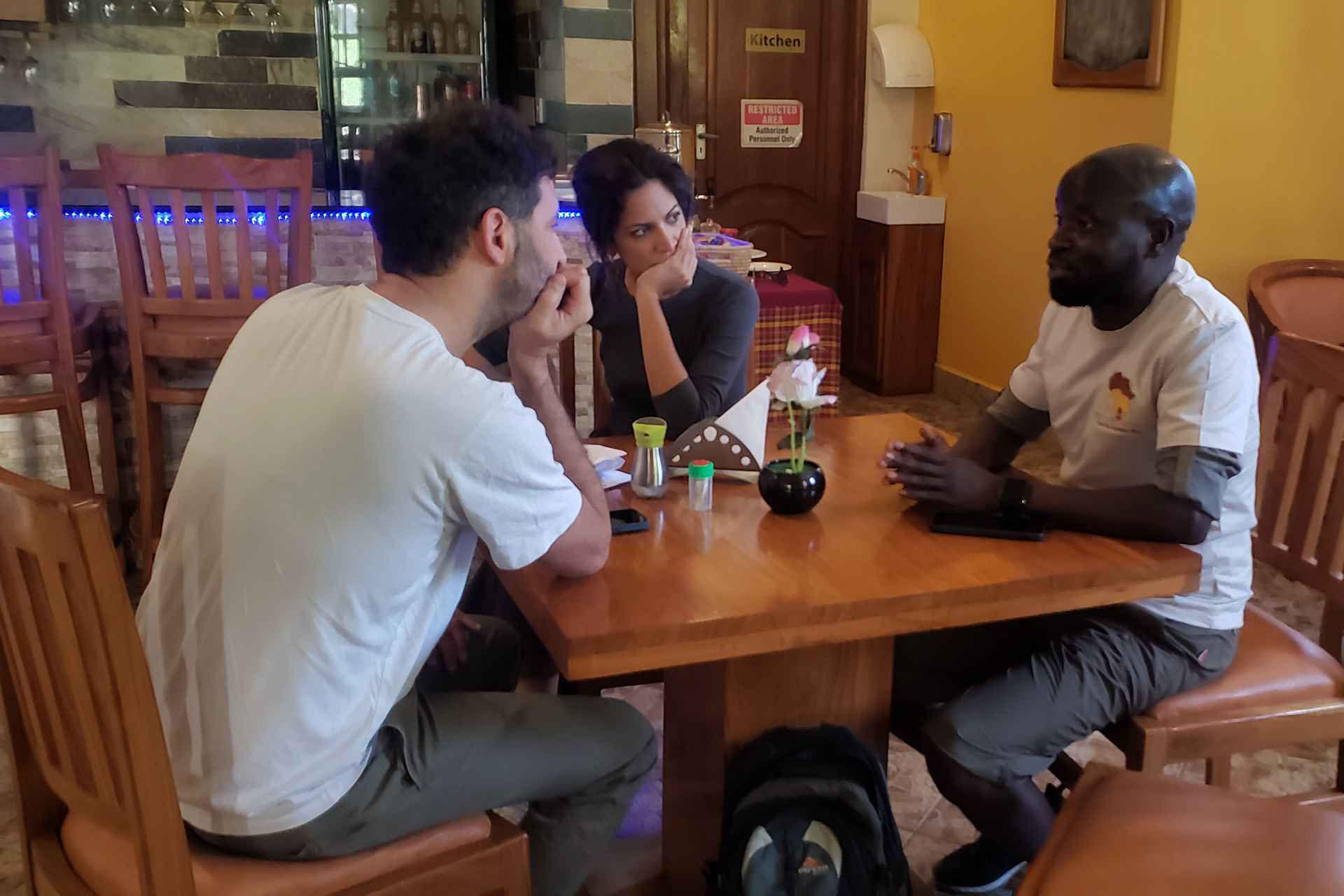
Assistant guides help the lead guide supervise the group and provide individual support to trekkers. They may walk with participants at different paces, assist with altitude monitoring, and help manage challenges along the route.
Their contribution is particularly important when a group has trekkers with different levels of fitness or when someone needs additional assistance.
3. Mountain Porters
Porters carry tents, food, cooking equipment, and other supplies required for the expedition. They help establish and dismantle camps, often working ahead of the trekking group so that essential facilities are ready when climbers arrive.
Although visitors may spend more time interacting with their guides, porters perform physically demanding work that is essential to the expedition. They should be included in the tipping plan and treated with the same respect as every other member of the crew.
4. Mountain Cook
The cook prepares meals that help climbers maintain their energy throughout the trek. Eating well becomes particularly important at altitude, when some trekkers experience reduced appetite or digestive discomfort.
A mountain cook works under challenging conditions, preparing meals with limited equipment and supplies. Recognizing this contribution through a fair tip is customary.
5. Other Support Staff
Depending on your itinerary, you may have additional staff, such as summit porters, camp assistants, or other support personnel. Ask your operator which staff members will accompany your trek and how gratuities should be distributed so that no one is unintentionally overlooked.
How Are Kilimanjaro Tips Distributed?
On many organized Kilimanjaro climbs, tips are collected from the group and distributed among the crew at the end of the expedition. This makes it easier to organize gratuities fairly and ensures that each team member receives an agreed share.
A tipping ceremony may take place after the descent, often at the hotel or another suitable location. The lead guide may introduce the crew, allowing climbers to thank the people who supported them during the climb.
Before the trek begins, discuss the arrangements with your operator or lead guide. Confirm whether tips are collected individually or as a group, who will distribute them, and how the allocation will be handled.
For transparency, travelers can agree on the total amount and the distribution method before the final day. This helps prevent confusion and makes the process more comfortable for everyone.

Should You Tip Before or After the Climb?
Tips are generally given at the end of the trek, once the service has been completed. This allows you to assess the experience as a whole and distribute gratuities according to the support provided.
It is useful to prepare cash before leaving for the mountain, rather than trying to obtain it during the climb. Keep the money secure and separate from the funds you need for other expenses.
If you are traveling with friends or joining a group, discuss tipping expectations before the trek. Agreeing on a shared approach can prevent awkward conversations when the expedition ends.
Should You Tip in US Dollars or Tanzanian Shillings?
US dollars are commonly used for tourist-related gratuities in Tanzania, including Kilimanjaro trekking. Tanzanian shillings may also be appropriate, depending on the circumstances and the preference of the recipient.
If you plan to tip in US dollars, carry clean, usable banknotes and check with your operator about any practical requirements. Avoid assuming that every staff member will prefer the same currency.
Prepare small denominations where possible so that the distribution can be organized easily. It is also wise to carry a little extra cash in case your crew is larger than expected or you decide to recognize exceptional assistance.
Are Tips Included in the Kilimanjaro Trekking Price?
In most cases, mountain crew tips are not included in the advertised Kilimanjaro trekking price. Tour prices usually cover items such as park fees, camping or hut accommodation, meals, guides, porters, transport, and other services specified in the package.
However, inclusions vary by operator, so travelers should check their quotation carefully. If gratuities are included in a package, ask which staff members are covered and whether additional personal tips are expected.
At Great Journey Safaris, travelers should confirm tipping arrangements when requesting a quote so that they can budget accurately and avoid unexpected expenses at the end of the climb.
What If You Cannot Afford the Suggested Tip?
Tipping guidelines are intended to help travelers plan, not to create financial pressure. Your tip should be based on your budget and the service provided. If you cannot afford the suggested amount, give what you reasonably can rather than feeling obliged to spend beyond your means.
A sincere thank-you, respectful treatment, and appreciation for the crew’s work also matter. You can help promote responsible trekking by choosing an operator that treats its staff fairly, provides suitable working conditions, and follows responsible porter practices.
Do not assume that a low advertised trekking price automatically means staff are treated poorly. Instead, ask specific questions about crew wages, porter loads, accommodation, meals, and tipping arrangements before booking.
Responsible Trekking: More Than Just Tipping
Tipping is only one part of responsible mountain travel. The way your operator treats its crew throughout the expedition is equally important.
Before booking your Kilimanjaro climb, ask whether porters receive fair wages, whether their loads are managed responsibly, and whether they have suitable clothing, shelter, and meals. Find out how the operator monitors staff welfare and whether there is a clear procedure for raising concerns.
A responsible trekking experience should respect both visitors and the people who make the expedition possible. Choosing a reputable operator and distributing tips fairly can help support a more positive trekking environment.
Frequently Asked Questions About Mount Kilimanjaro Tipping
How much should I tip for an eight-day Kilimanjaro climb?
Your total depends on the crew size, route, group size, and the amounts agreed upon. An eight-day trek usually requires a larger total gratuity budget than a shorter climb. Request an estimated crew list and tipping breakdown before departure.
Do I tip each porter individually?
You can give tips individually, but many groups prefer to pool their contributions and distribute them transparently at the end of the trek. Ask your operator about its usual procedure.
Do I need to tip if I am unhappy with the service?
Tipping is voluntary, and you can adjust the amount according to your experience. If you have serious concerns about safety, staff treatment, or the quality of service, raise them with the operator rather than relying on the tip alone to communicate dissatisfaction.
Should I bring cash for tips?
Yes. It is sensible to prepare cash in advance because access to ATMs and other payment services on the mountain is limited or unavailable. Confirm your preferred currency and the expected amount before leaving your hotel.
Is tipping compulsory on Mount Kilimanjaro?
No. Tipping is customary, but it is generally a gratuity rather than a compulsory park charge. Nevertheless, it is an important part of the local trekking economy and should be considered when preparing your budget.
Plan Your Kilimanjaro Climb with Great Journey Safaris
Climbing Mount Kilimanjaro is a remarkable achievement, made possible by the teamwork of experienced guides, porters, cooks, and other support staff. Understanding Mount Kilimanjaro tipping guidelines before your trip allows you to plan responsibly, recognize the contribution of your crew, and focus on enjoying the journey to Uhuru Peak.
Great Journey Safaris can help you prepare for your climb by explaining the route, accommodation, equipment requirements, crew arrangements, and expected additional expenses. Ask for a detailed quotation and a practical tipping estimate when planning your expedition.
Prepare well, respect the mountain crew, and make your Kilimanjaro adventure a rewarding experience for everyone involved.