Discover the benefits of Eco-Tourism in Tanzania, including sustainable safaris, wildlife conservation, community support, and responsible travel practices that help protect Tanzania’s natural and cultural heritage with Great Journey Safaris.
Tanzania is one of Africa’s most extraordinary travel destinations, renowned for its spectacular wildlife, breathtaking landscapes, diverse cultures, and world-famous attractions. From the endless plains of the Serengeti and the majestic summit of Mount Kilimanjaro to the pristine beaches of Zanzibar, Tanzania offers experiences that inspire travelers from around the world. However, as tourism continues to grow, so does the importance of protecting the natural and cultural treasures that make the country unique.
Eco-tourism and responsible travel have become increasingly important in Tanzania’s tourism industry. Travelers today are not only seeking unforgettable adventures but also looking for ways to ensure that their journeys positively impact local communities, wildlife conservation efforts, and environmental sustainability. By embracing responsible travel practices, visitors can help preserve Tanzania’s remarkable destinations for future generations while enjoying authentic and meaningful experiences.
At Great Journey Safaris, we believe that tourism should benefit both visitors and the communities and ecosystems that make Tanzania such a special place to explore.
What Is Eco-Tourism?
Eco-tourism is a form of responsible travel that focuses on conserving the environment, supporting local communities, and promoting sustainable tourism practices. Unlike conventional tourism, eco-tourism seeks to minimize negative impacts while creating positive social, economic, and environmental outcomes.
The goal is not simply to visit beautiful destinations but to contribute to their long-term preservation. Eco-tourism encourages travelers to respect wildlife, protect natural habitats, support local businesses, and engage with communities in a meaningful and ethical way.
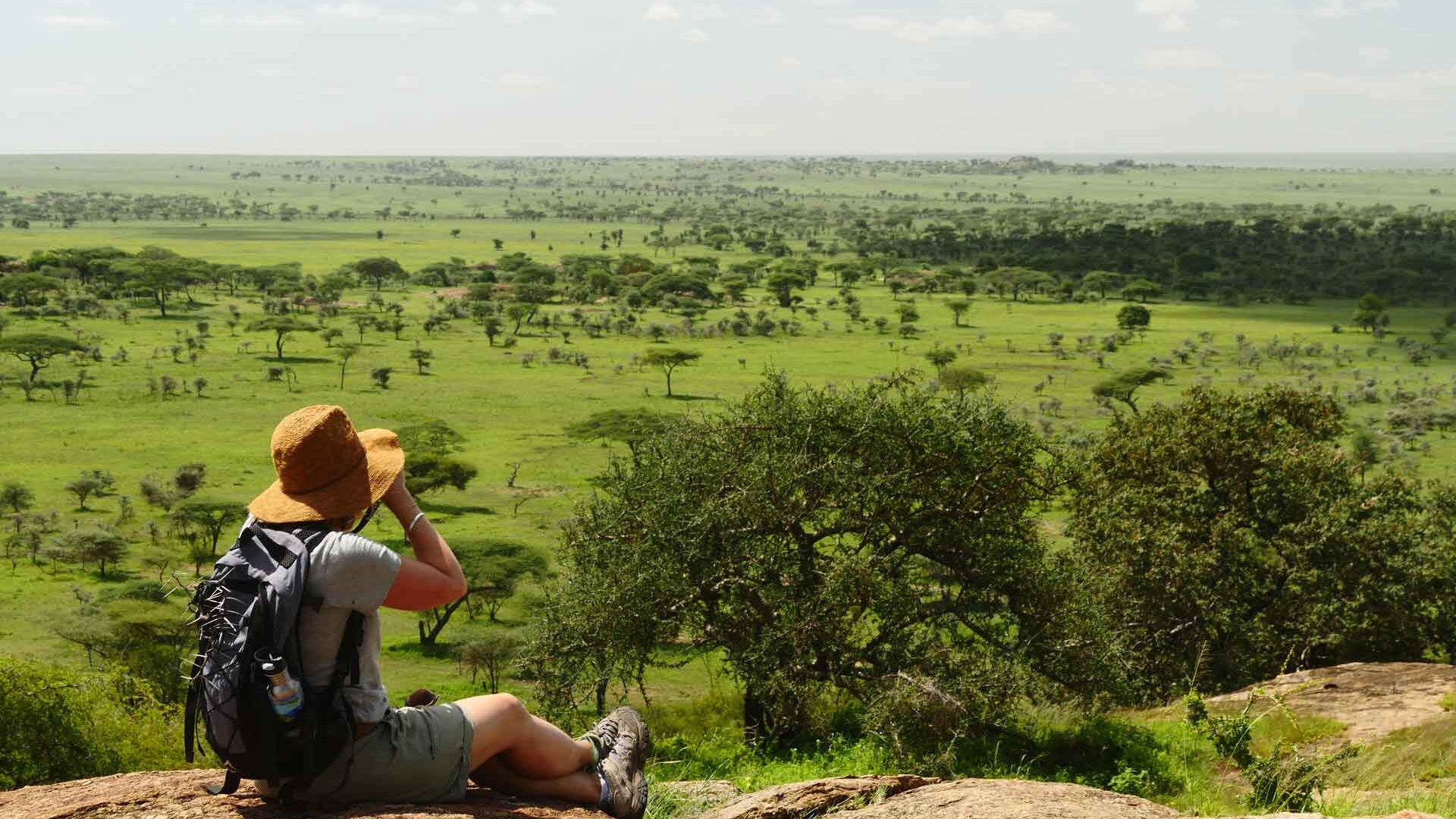
In Tanzania, eco-tourism plays a vital role in balancing tourism growth with conservation efforts, helping ensure that wildlife and natural resources remain protected while creating employment and development opportunities for local people.
Why Tanzania Is a Leading Eco-Tourism Destination
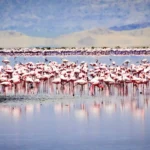
Few countries are better suited to eco-tourism than Tanzania. The country is home to some of the most important wildlife conservation areas in Africa, including the Serengeti ecosystem, Ngorongoro Conservation Area, and numerous national parks and marine reserves.
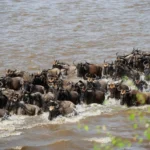
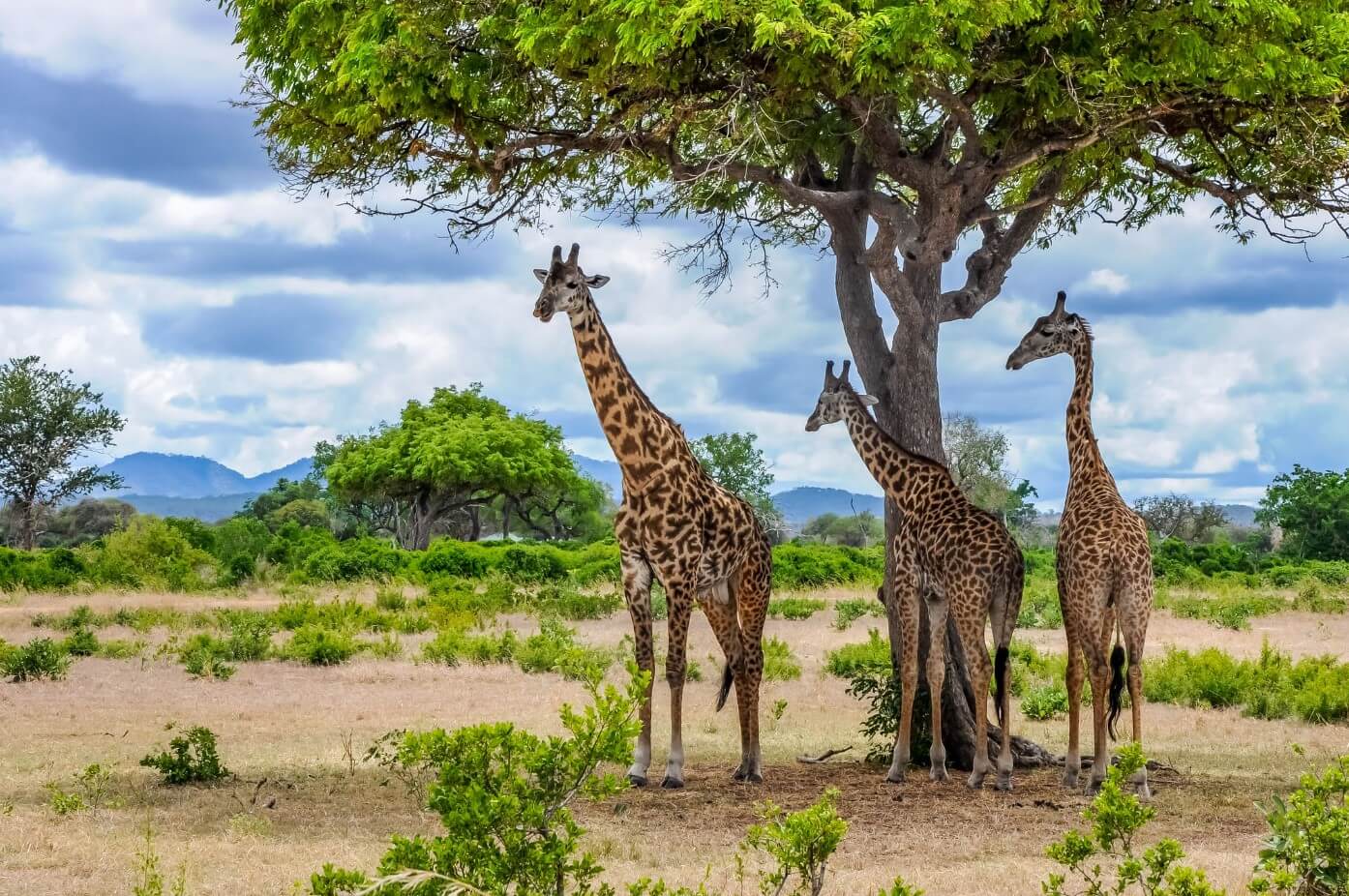
Large portions of Tanzania’s land are protected for conservation purposes, providing safe habitats for elephants, lions, rhinos, giraffes, wildebeest, and countless other species. Tourism revenue contributes significantly to the protection of these ecosystems, helping fund conservation programs, anti-poaching initiatives, and environmental management projects.
Beyond wildlife, Tanzania’s cultural diversity adds another dimension to sustainable tourism. Visitors have opportunities to learn from local communities, participate in cultural experiences, and contribute directly to local livelihoods through responsible travel choices.
The Role of Responsible Travel in Wildlife Conservation
Wildlife conservation is one of the most significant benefits of responsible tourism in Tanzania. Many of the country’s protected areas rely on tourism revenue to support conservation activities and maintain critical habitats.
When travelers visit national parks and conservation areas, a portion of the fees they pay contributes to the management and protection of these environments. These funds help maintain infrastructure, support wildlife monitoring programs, finance ranger operations, and protect endangered species.
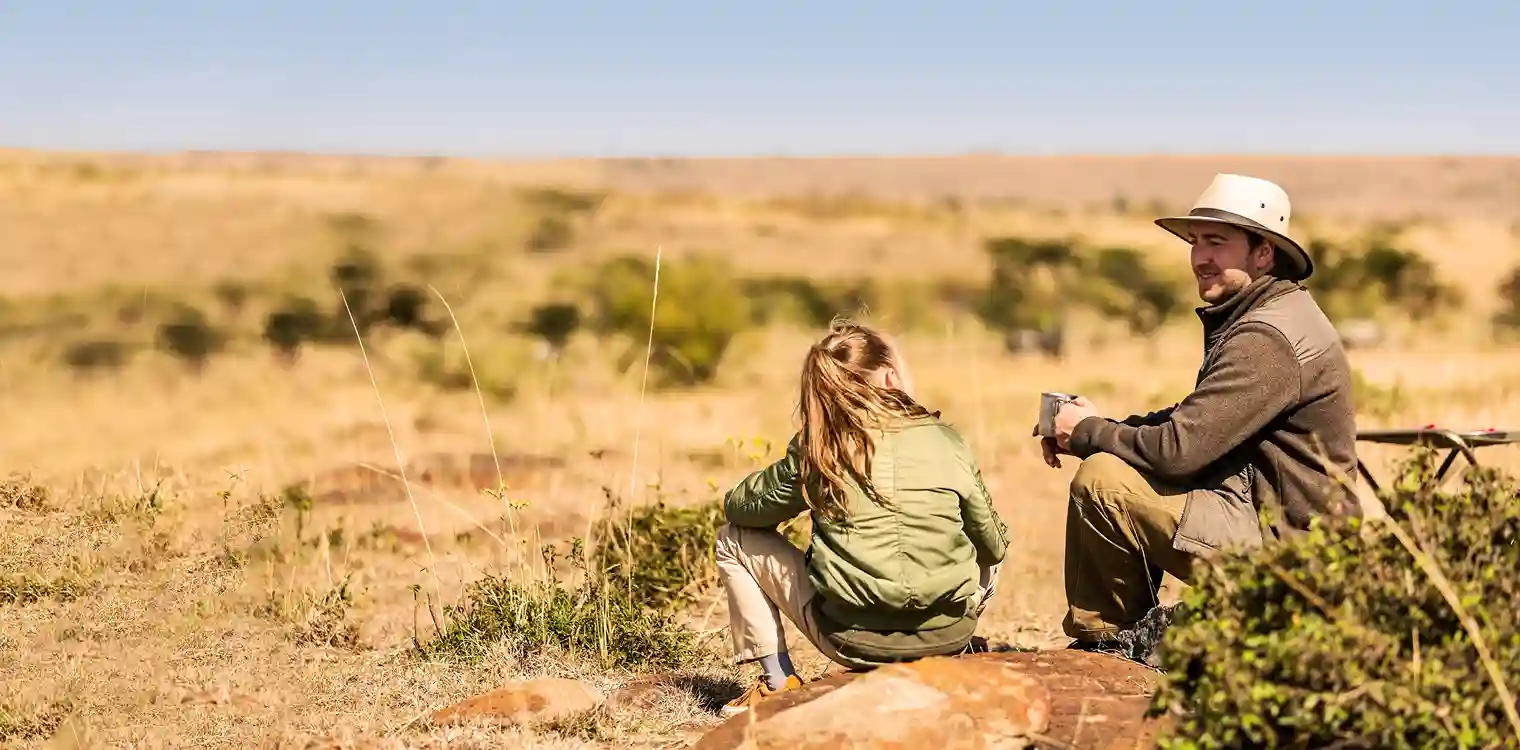
Responsible travelers also contribute by respecting park regulations, maintaining appropriate distances from wildlife, and avoiding activities that could disturb natural animal behavior. By prioritizing ethical wildlife viewing practices, visitors help preserve the integrity of Tanzania’s ecosystems.
Supporting Local Communities Through Tourism
One of the most meaningful aspects of responsible travel is the opportunity to support local communities. Tourism provides employment and business opportunities for thousands of Tanzanians, including guides, porters, drivers, artisans, hospitality staff, farmers, and entrepreneurs.
Choosing locally owned tour operators, accommodations, and service providers helps ensure that tourism revenue remains within the community and contributes directly to local economic development. Community-based tourism initiatives also allow visitors to engage with local cultures while creating sustainable income sources for residents.
Many cultural experiences in Tanzania offer travelers the chance to learn about traditional lifestyles, customs, and heritage while supporting community development projects. These interactions often become some of the most memorable parts of a journey.
Sustainable Safari Experiences in Tanzania
A safari is one of the most popular travel experiences in Tanzania, and sustainable safari practices are becoming increasingly important. Responsible safari operators work to minimize environmental impact while maximizing conservation and community benefits.
Sustainable safaris often include responsible waste management practices, reduced plastic use, environmentally conscious camp operations, and adherence to wildlife viewing guidelines. Many lodges and camps have implemented eco-friendly initiatives such as solar power systems, water conservation programs, and sustainable construction methods.
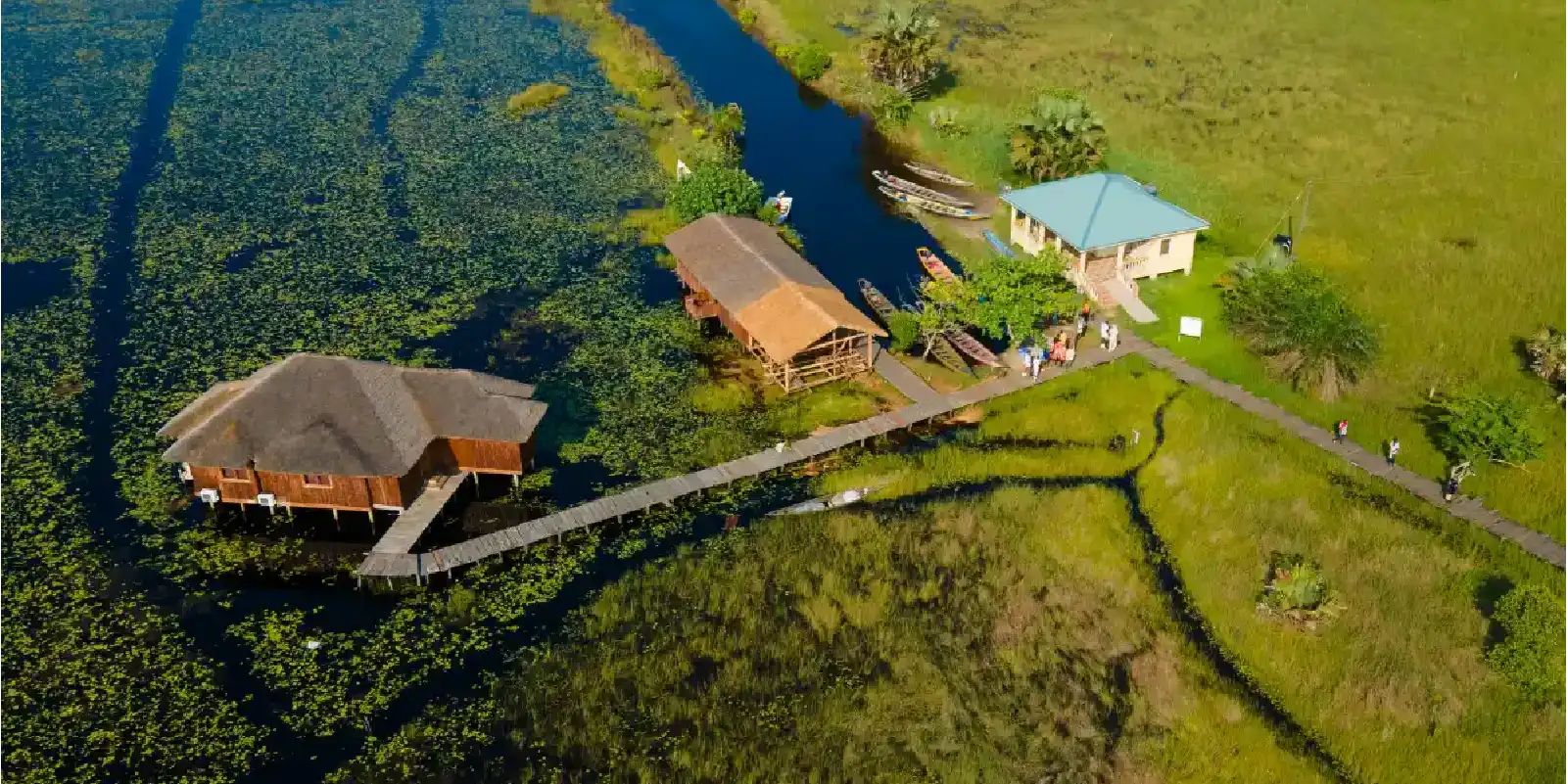
Travelers can support these efforts by choosing operators and accommodations that demonstrate a commitment to environmental responsibility and ethical tourism practices.
Eco-Friendly Accommodation Options
Across Tanzania, many lodges, tented camps, and eco-retreats have embraced sustainable tourism principles. These accommodations are designed to operate in harmony with their surroundings while minimizing their environmental footprint.
Eco-friendly accommodations often incorporate renewable energy sources, sustainable water management systems, locally sourced building materials, and community employment initiatives. Many properties actively participate in conservation programs and support local development projects.
Staying at environmentally responsible accommodations allows travelers to enjoy comfort while contributing to sustainability efforts that protect Tanzania’s natural resources.
Responsible Kilimanjaro Trekking
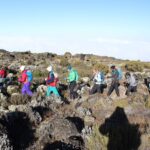
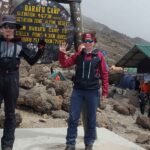
Mount Kilimanjaro attracts thousands of climbers every year, making responsible trekking practices essential for protecting the mountain’s fragile environment.
Eco-conscious trekking involves minimizing waste, respecting park regulations, staying on designated trails, and supporting ethical porter treatment. Responsible tour operators prioritize fair wages, proper equipment, and safe working conditions for mountain crews.
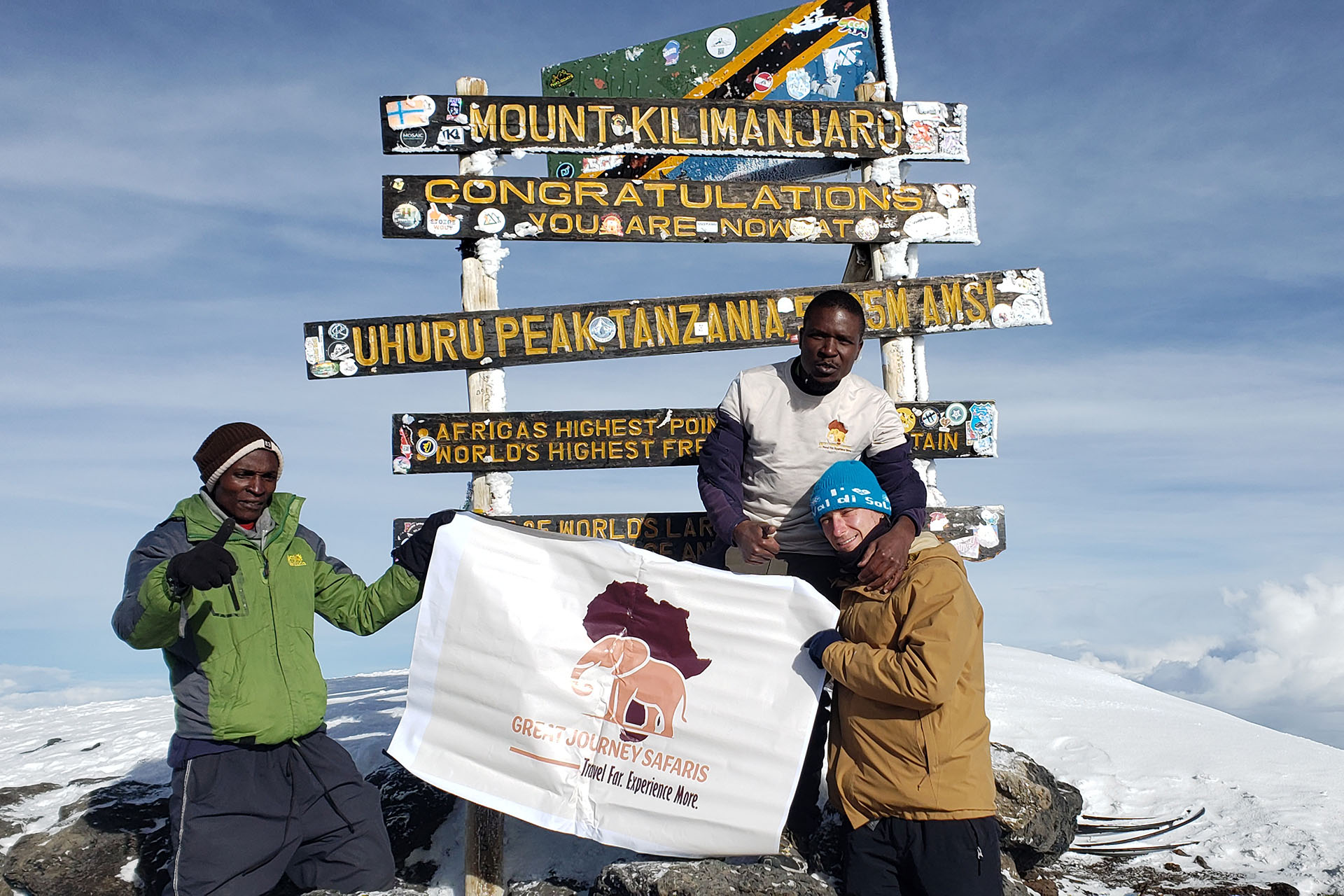
By choosing an operator committed to responsible tourism principles, climbers contribute to the long-term preservation of Kilimanjaro while supporting the wellbeing of the local workforce that makes these expeditions possible.
Cultural Tourism and Meaningful Travel Experiences
Responsible travel extends beyond environmental conservation to include cultural respect and appreciation. Tanzania’s diverse ethnic groups offer visitors unique opportunities to learn about traditional lifestyles, history, art, music, and customs.
Participating in cultural tourism experiences allows travelers to engage with local communities in meaningful ways while supporting cultural preservation efforts. These experiences often provide direct economic benefits to community members and help maintain important cultural traditions.
Respectful interactions and genuine cultural exchange enrich the travel experience while fostering mutual understanding between visitors and host communities.
Reducing Your Environmental Impact While Traveling
Every traveler has the ability to reduce their environmental footprint during a trip to Tanzania. Small actions can collectively make a significant difference in preserving the country’s natural beauty.
Choosing reusable water bottles, minimizing plastic consumption, conserving water and energy, respecting wildlife, and following Leave No Trace principles all contribute to more sustainable travel. Responsible behavior in parks, reserves, and local communities helps protect the resources that make Tanzania such a remarkable destination.
Travelers who prioritize sustainability often find that their experiences become more authentic and rewarding as a result.

The Future of Eco-Tourism in Tanzania
As global awareness of environmental issues continues to grow, eco-tourism is expected to play an increasingly important role in Tanzania’s tourism sector. Sustainable tourism practices help ensure that wildlife populations remain healthy, natural habitats are preserved, and local communities continue to benefit from tourism development.
Government agencies, conservation organizations, local communities, and responsible tour operators are working together to promote tourism models that balance economic growth with environmental stewardship.
The future of Tanzania’s tourism industry depends on maintaining this balance and ensuring that conservation remains at the heart of the visitor experience.
Why Responsible Travel Matters More Than Ever
The choices travelers make today will influence the future of Tanzania’s wildlife, landscapes, and communities. Responsible travel is not about sacrificing comfort or adventure; rather, it is about making thoughtful decisions that create positive impacts while enjoying extraordinary experiences.
By supporting sustainable tourism initiatives, travelers help protect endangered species, preserve natural habitats, strengthen local economies, and promote cultural heritage. These contributions ensure that future generations will continue to enjoy Tanzania’s remarkable attractions.
Explore Tanzania Responsibly with Great Journey Safaris
At Great Journey Safaris, we are committed to promoting responsible tourism and sustainable travel throughout Tanzania. We believe that exceptional travel experiences and environmental stewardship can go hand in hand.
Our safari adventures, Kilimanjaro climbs, cultural experiences, and beach holidays are designed with respect for nature, wildlife, and local communities. We encourage travelers to explore Tanzania thoughtfully while contributing to the conservation and development efforts that protect this extraordinary destination.
Final Thoughts
Eco-tourism in Tanzania offers travelers the opportunity to experience some of Africa’s most spectacular destinations while making a positive difference. From supporting wildlife conservation and community development to reducing environmental impact and promoting cultural preservation, responsible travel benefits everyone involved.
By choosing sustainable tourism practices and partnering with responsible operators such as Great Journey Safaris, visitors can enjoy unforgettable adventures while helping safeguard Tanzania’s natural and cultural treasures for generations to come.