Wondering How Many Days Are Recommended to Climb Kilimanjaro? Discover the ideal trek duration, route options, acclimatization benefits, and tips for maximizing your summit success with Great Journey Safaris.
One of the most important decisions when planning a Mount Kilimanjaro adventure is choosing the right number of days for your climb. While it may be tempting to select a shorter itinerary to save time or money, the length of your trek plays a significant role in your comfort, safety, acclimatization, and overall summit success rate.
At Great Journey Safaris, we strongly recommend selecting a route and itinerary that provides adequate time for acclimatization. Reaching Uhuru Peak, the highest point on Mount Kilimanjaro, is not just about physical fitness—it is largely about allowing your body enough time to adjust to the increasing altitude.
Why the Number of Days Matters
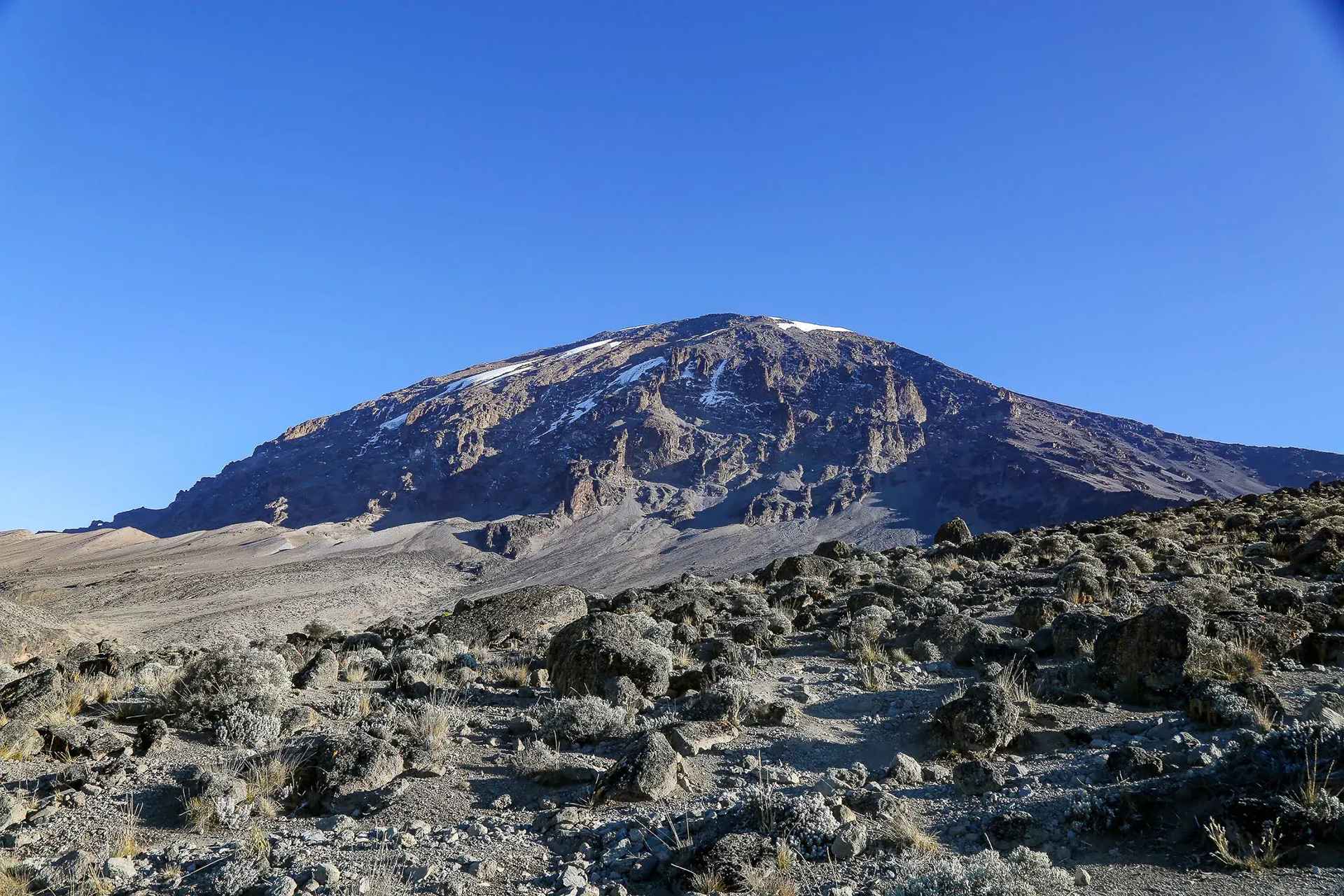
Mount Kilimanjaro rises to an impressive 5,895 meters (19,341 feet) above sea level. As climbers gain altitude, oxygen levels decrease significantly, making acclimatization essential. The more time you spend gradually ascending, the better your body can adapt to the changing conditions.
Many climbers who fail to reach the summit do so because of altitude-related challenges rather than a lack of fitness. Choosing an itinerary with additional acclimatization days greatly improves your chances of reaching the summit safely and comfortably.
The Minimum Number of Days to Climb Kilimanjaro
Some Kilimanjaro routes can technically be completed in as few as five days. However, these shorter itineraries generally have lower summit success rates because climbers gain altitude too quickly.
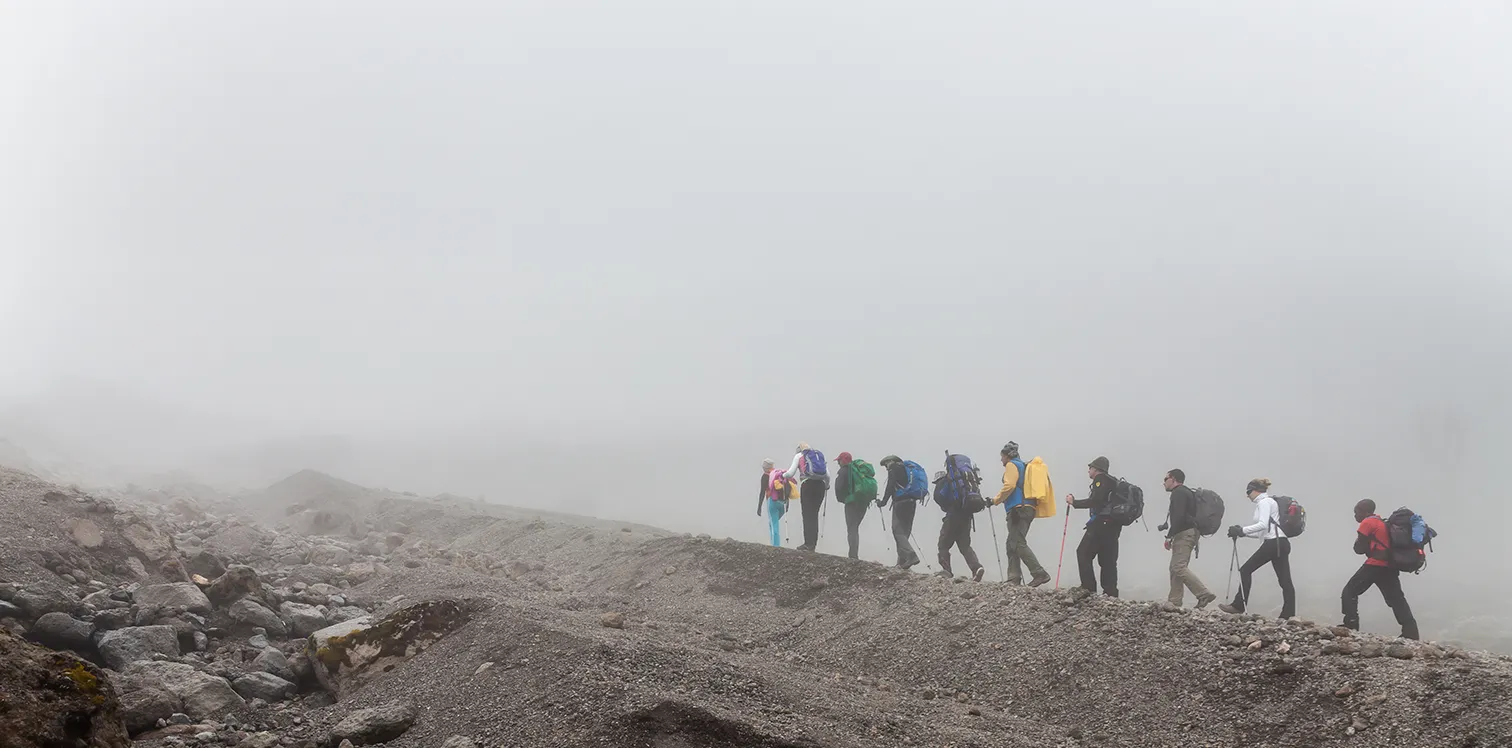
While a five-day climb may appeal to travelers with limited time, it often does not provide sufficient opportunity for proper acclimatization. As a result, many experienced guides and reputable operators do not recommend the shortest itineraries for most climbers.
Six-Day Kilimanjaro Climbs
Six-day itineraries are common on routes such as Machame and Rongai. These climbs offer a better balance between trekking duration and acclimatization compared to shorter options.
Many climbers successfully reach the summit on six-day itineraries, especially if they have previous high-altitude trekking experience. However, altitude challenges can still occur, and some climbers may benefit from additional acclimatization time.
Seven-Day Kilimanjaro Climbs – The Most Recommended Option
For most travelers, a seven-day Kilimanjaro climb is widely considered the ideal choice. Seven-day itineraries provide a more gradual ascent, allowing the body additional time to adapt to higher elevations.
Routes such as the Machame Route, Lemosho Route, and Rongai Route are often offered as seven-day itineraries. These schedules strike an excellent balance between comfort, acclimatization, and summit success.
The extra day can significantly improve your chances of reaching Uhuru Peak while making the overall experience more enjoyable and less physically demanding.
Eight-Day Kilimanjaro Climbs
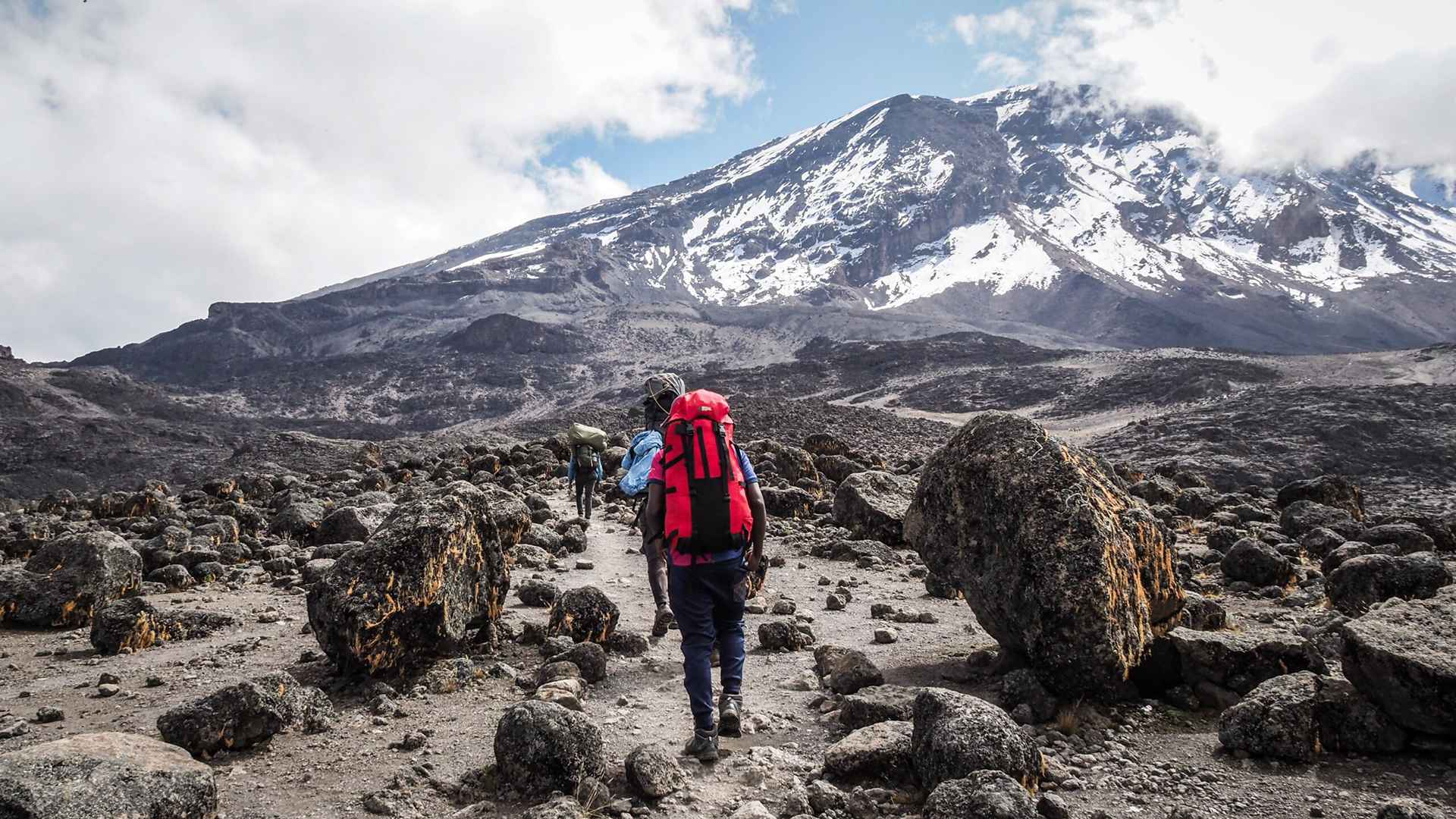
An eight-day itinerary is often regarded as one of the best options for maximizing summit success. The additional acclimatization day allows climbers to ascend more gradually and spend more time adjusting to the altitude.
The Lemosho Route is particularly popular as an eight-day climb because it combines excellent scenery, lower crowd levels, and high summit success rates. Many experienced mountain guides consider eight-day itineraries among the safest and most effective ways to climb Kilimanjaro.
Nine-Day and Longer Expeditions
Some climbers choose nine-day or longer itineraries, particularly on routes such as the Northern Circuit. These longer climbs offer the most comprehensive acclimatization opportunities and some of the highest summit success rates on the mountain.
The Northern Circuit Route is currently one of the longest and most scenic routes on Kilimanjaro. It allows climbers to explore remote areas of the mountain while significantly reducing the risks associated with rapid altitude gain.
Longer itineraries are particularly beneficial for older climbers, first-time high-altitude trekkers, photographers, and travelers who prefer a slower pace.
Recommended Days by Route
Marangu Route
The Marangu Route is commonly completed in five or six days. While the five-day version is available, the six-day itinerary is generally recommended because it includes an additional acclimatization day.
Machame Route
The Machame Route is usually offered as a six or seven-day climb. The seven-day version is highly recommended due to its improved acclimatization profile and higher summit success rate.
Lemosho Route
The Lemosho Route is often completed in seven or eight days. Many climbers and guides consider the eight-day itinerary one of the best options available on Kilimanjaro.
Rongai Route
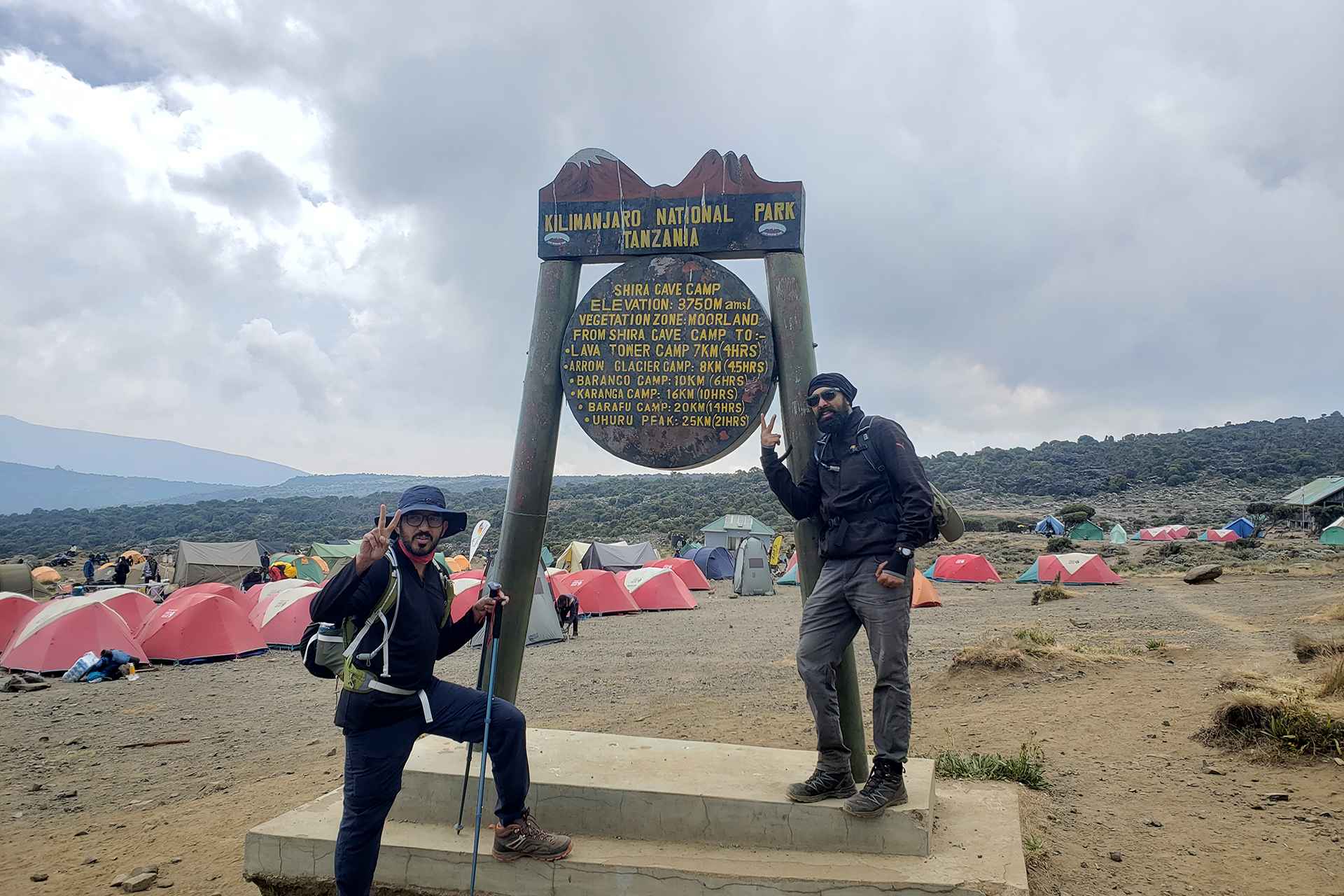
The Rongai Route typically takes six or seven days. The seven-day itinerary provides better acclimatization and is preferred by many climbers.
Northern Circuit Route
The Northern Circuit is usually completed in eight or nine days and offers some of the highest summit success rates on the mountain.
Summit Success Rates and Climb Duration
Research and operator experience consistently show that longer itineraries result in higher summit success rates. Climbers who choose seven-, eight-, or nine-day routes generally have a much greater chance of reaching Uhuru Peak than those attempting shorter itineraries.
The extra time allows the body to adapt naturally, reducing the risk of altitude sickness and improving overall comfort during the climb.
Factors That Influence Your Ideal Climb Duration
The best number of days for your Kilimanjaro climb depends on several factors, including your fitness level, previous altitude experience, age, travel schedule, and personal goals.
Even highly fit individuals can experience altitude-related challenges, so fitness alone should not determine the length of your climb. In most cases, choosing a longer itinerary provides a safer and more enjoyable experience.
Why Great Journey Safaris Recommends Longer Routes
At Great Journey Safaris, our priority is your safety and success. While shorter climbs may appear more convenient, we generally recommend seven- or eight-day itineraries because they provide better acclimatization and significantly improve the likelihood of reaching the summit.
A successful Kilimanjaro climb is about more than reaching the top—it is about enjoying the journey through the mountain’s diverse ecosystems, spectacular landscapes, and unique environments.
Final Thoughts
So, how many days are recommended to climb Kilimanjaro to the summit? While climbs can be completed in as few as five days, most experienced guides recommend seven to eight days for the best balance of acclimatization, comfort, safety, and summit success.
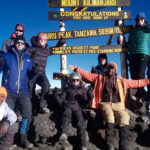
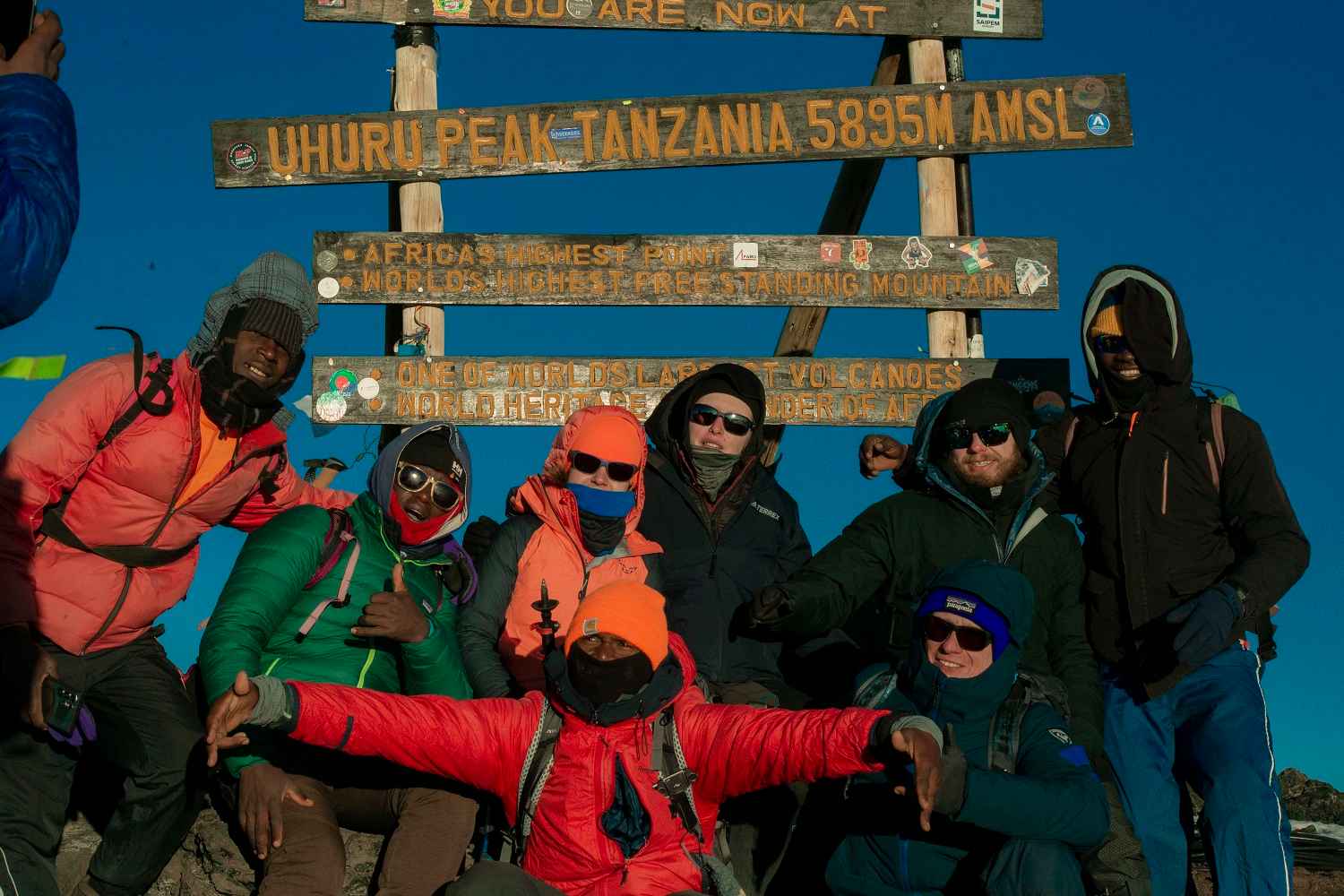
Choosing a slightly longer itinerary may require an extra day or two, but it greatly increases your chances of standing on Uhuru Peak, the highest point in Africa.
At Great Journey Safaris, we offer carefully planned Kilimanjaro climbing packages designed to maximize your summit success while ensuring a memorable and rewarding adventure on Africa’s highest mountain.