Learn about Kilimanjaro Climbing Difficulty, including altitude challenges, fitness requirements, acclimatization, route comparisons, and expert tips to help you successfully reach the summit with Great Journey Safaris.
Mount Kilimanjaro is one of the world’s most iconic trekking destinations and the highest mountain in Africa, standing proudly at 5,895 meters (19,341 feet) above sea level. Every year, thousands of adventurers from around the globe arrive in Tanzania with the dream of reaching Uhuru Peak. One of the first questions most travelers ask before booking their adventure is, “How difficult is it to climb Kilimanjaro?”
The answer is both encouraging and realistic. Climbing Mount Kilimanjaro is certainly challenging, but it is achievable for many people with the right preparation, adequate acclimatization, and professional guidance. Unlike many of the world’s highest peaks, Kilimanjaro does not require technical mountaineering skills, ropes, ice axes, or previous climbing experience. However, it demands physical endurance, mental determination, and the ability to cope with high altitude.
At Great Journey Safaris, we believe that understanding the challenges of Kilimanjaro before your expedition is one of the best ways to prepare for a successful and enjoyable climb.
Is Mount Kilimanjaro a Technical Mountain?
One of the reasons Kilimanjaro attracts climbers from every continent is that it is considered a non-technical mountain. This means that no rock climbing or advanced mountaineering skills are required to reach the summit.
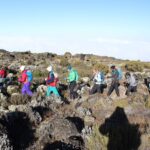
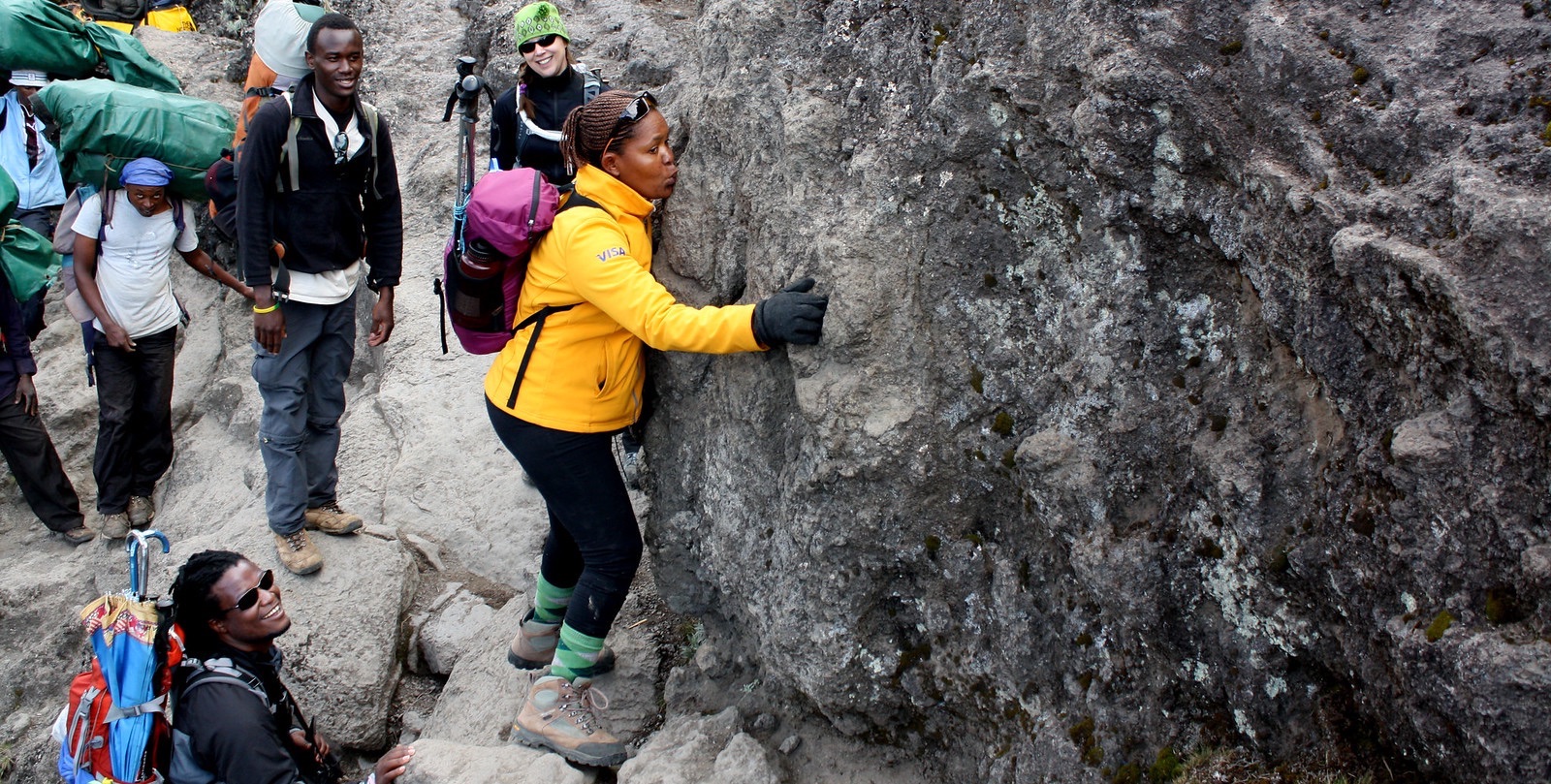
The climb primarily involves hiking on well-established mountain trails that pass through forests, moorlands, alpine deserts, and glaciers. While some sections are steeper than others, especially near the summit, the routes are designed for trekkers rather than technical climbers.
Although the mountain does not require specialized climbing techniques, this should not be mistaken for an easy hike. The combination of altitude, long walking days, changing weather, and summit night makes Kilimanjaro a physically demanding adventure.
The Biggest Challenge Is Altitude
The single greatest factor that determines the difficulty of climbing Kilimanjaro is altitude rather than the trail itself.
As you ascend the mountain, the amount of oxygen available in the air gradually decreases. By the time climbers approach Uhuru Peak, oxygen levels are significantly lower than at sea level. This reduction makes every step feel more demanding and requires the body to work harder than usual.
Altitude affects everyone differently. Age, fitness level, and previous trekking experience do not guarantee immunity from altitude sickness. Even highly trained athletes can experience symptoms if they ascend too quickly.
This is why experienced guides encourage climbers to walk slowly, stay hydrated, eat nutritious meals, and allow sufficient time for acclimatization.
Physical Fitness Still Matters
Although altitude is the primary challenge, physical fitness remains an important factor in preparing for Kilimanjaro.
Most climbing days involve several hours of walking across uneven terrain while carrying a small daypack. Climbers should be comfortable hiking for consecutive days and maintaining steady energy levels throughout the expedition.
Regular walking, hiking, cycling, swimming, running, or other cardiovascular activities can significantly improve endurance before arriving in Tanzania. Strengthening the legs and core muscles also helps reduce fatigue during the climb.
The goal is not to become an elite athlete but to develop enough stamina to enjoy multiple days of trekking comfortably.
Mental Strength Is Just as Important
Many successful climbers say that Kilimanjaro is as much a mental challenge as it is a physical one.
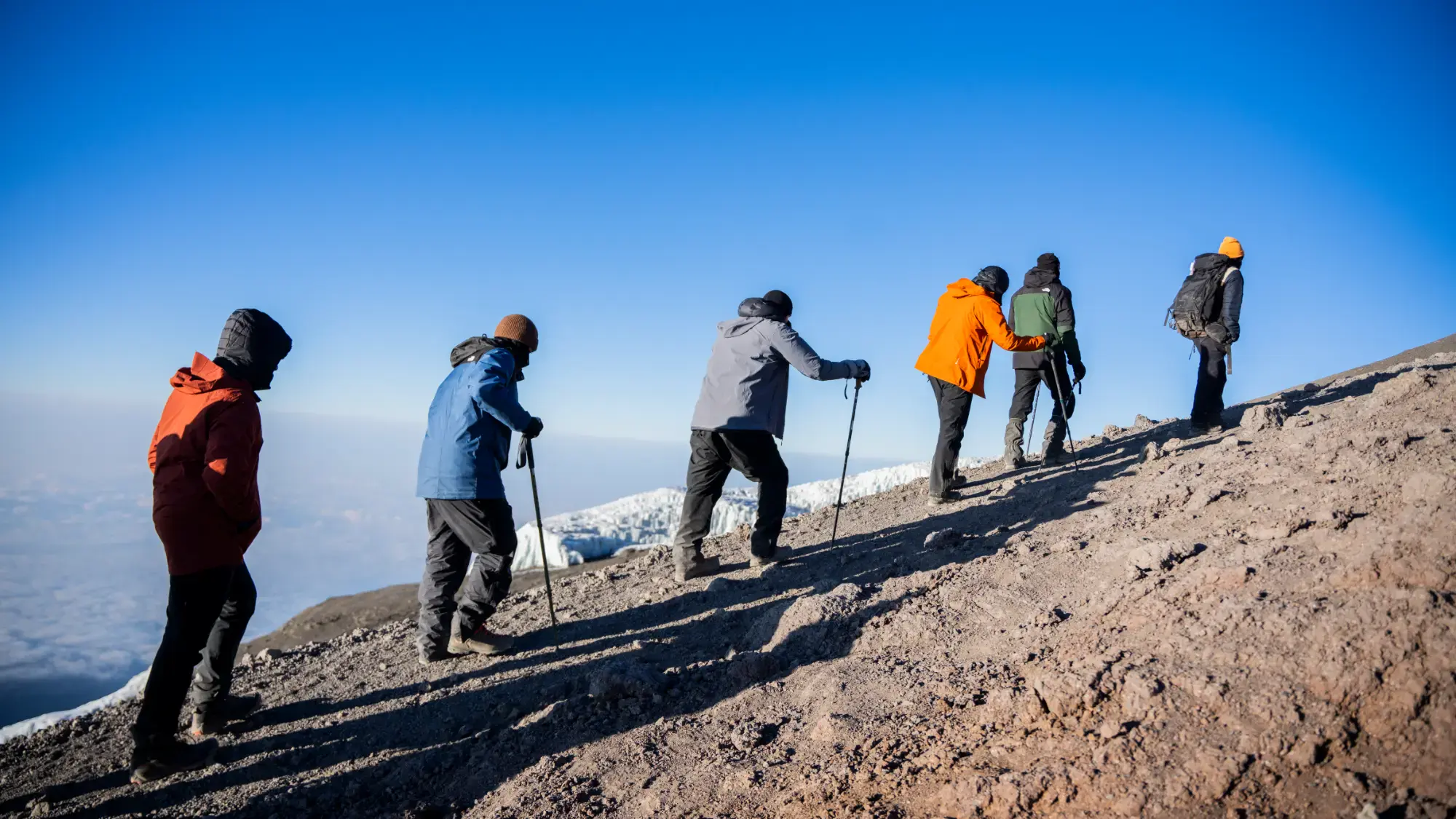
The early morning summit attempt often begins around midnight and continues for several hours in cold temperatures and darkness. Fatigue, reduced oxygen levels, and steep terrain can test a climber’s determination.
Maintaining a positive attitude, listening to your guides, focusing on one step at a time, and staying patient are often the keys to overcoming these challenges.
Mental preparation before the expedition can greatly improve confidence and overall enjoyment throughout the journey.
Why Acclimatization Makes a Huge Difference
Acclimatization refers to the body’s natural process of adapting to higher elevations.
The longer your itinerary, the more time your body has to adjust to the decreasing oxygen levels. Climbers who choose seven- or eight-day itineraries generally experience higher summit success rates than those attempting shorter climbs.
Routes such as Lemosho, Machame, and the Northern Circuit are particularly popular because they provide excellent acclimatization profiles through gradual altitude gain.
Allowing extra time on the mountain is one of the most effective ways to reduce the overall difficulty of the climb.
Choosing the Right Route
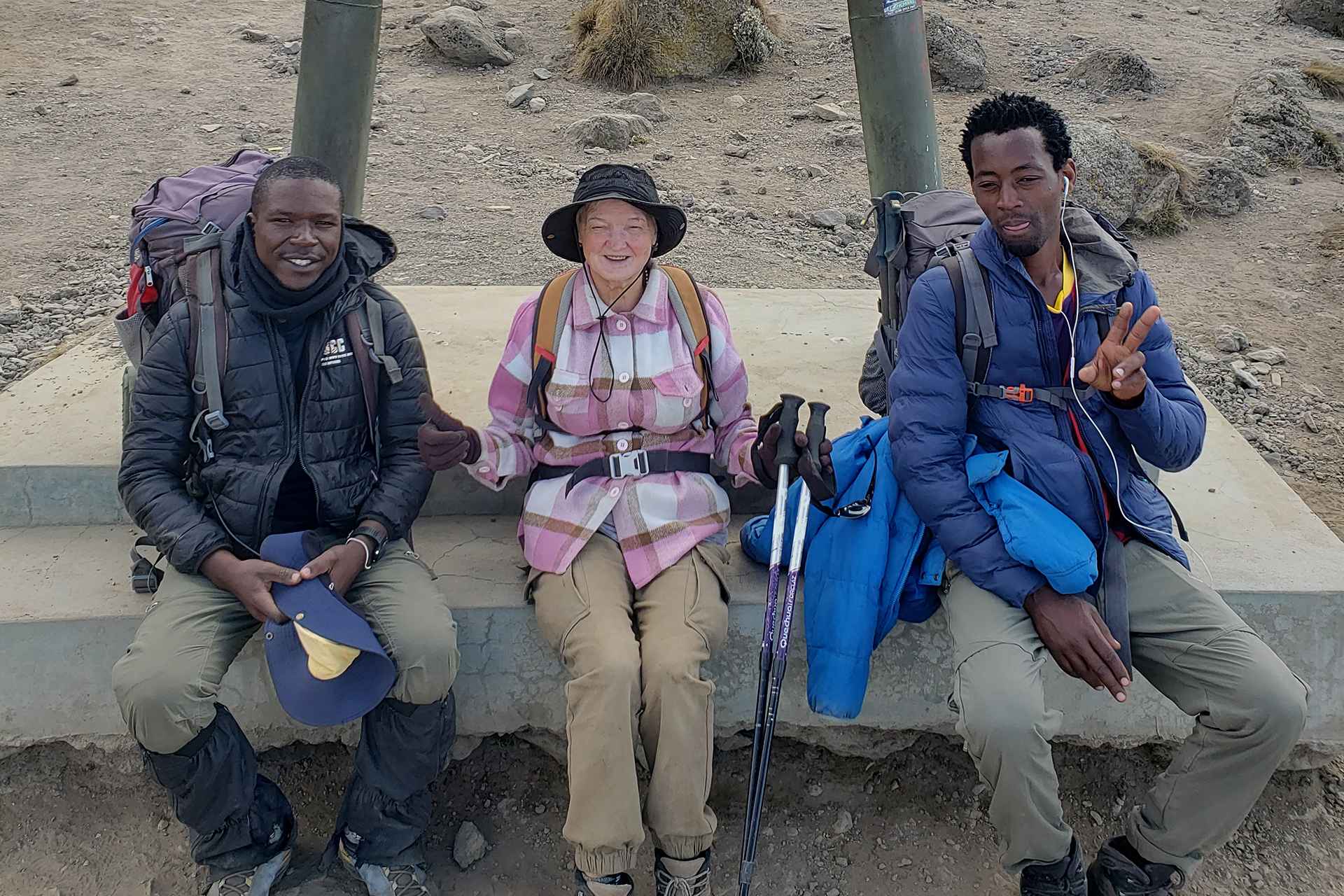
Not all Kilimanjaro routes offer the same level of difficulty.
Some routes involve steeper ascents, while others provide more gradual elevation gains. Certain routes also include additional acclimatization days, which significantly improve both comfort and summit success.
For first-time climbers, selecting a route with a slower ascent is often a better choice than selecting the shortest itinerary available.
An experienced tour operator can recommend the most suitable route based on your fitness level, available time, and previous trekking experience.
Weather Conditions Can Increase the Challenge
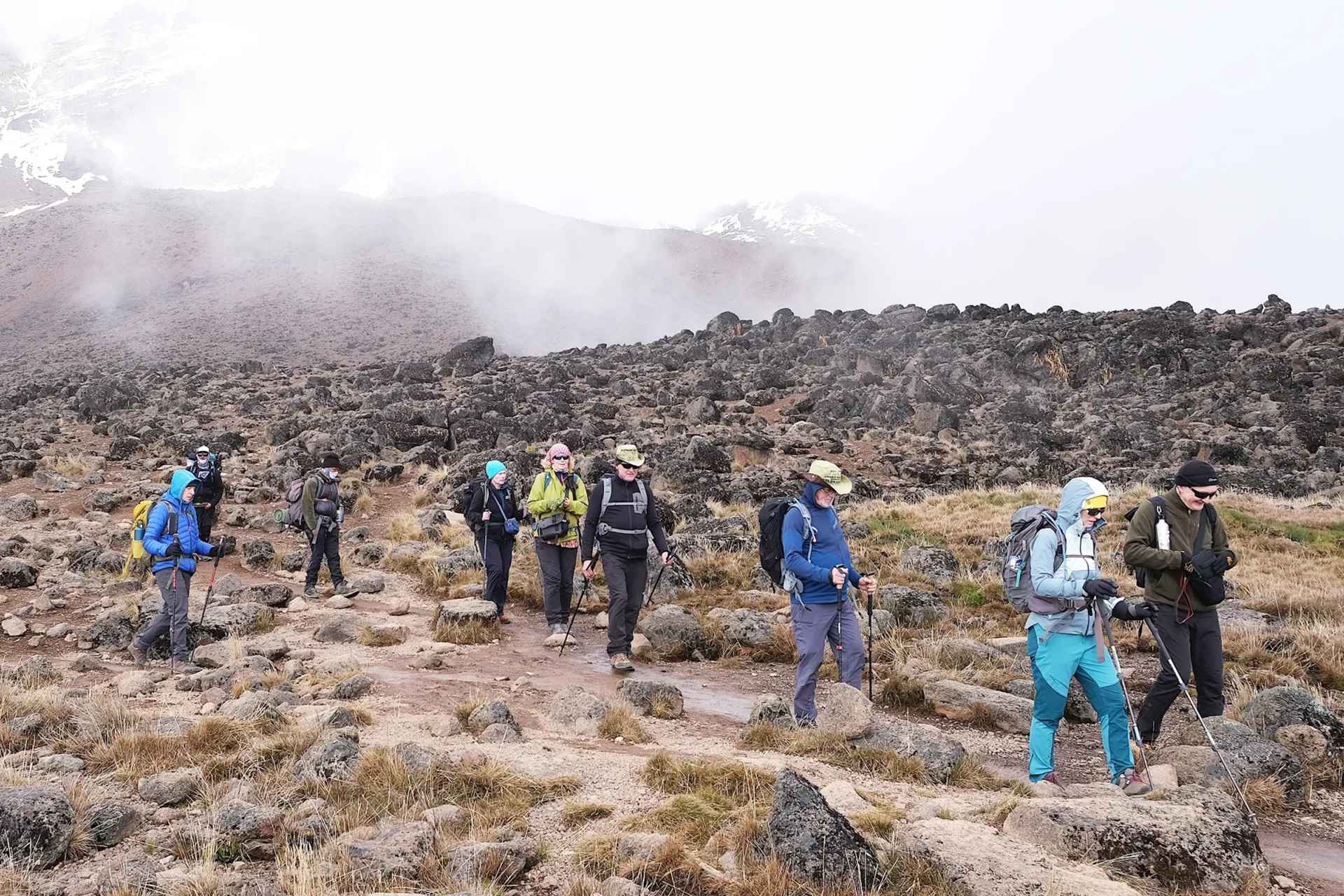
Mount Kilimanjaro contains five distinct ecological zones, each with its own climate and weather patterns.
During the climb, travelers may encounter warm tropical forests, cool moorlands, dry alpine deserts, and freezing summit conditions. Temperatures can change dramatically within a single day.
Rain, wind, cold temperatures, and occasional snow near the summit can all increase the physical demands of the expedition. Proper clothing and appropriate layering play a crucial role in maintaining comfort throughout the climb.
Preparing for a wide range of weather conditions is an essential part of successful Kilimanjaro planning.
Summit Night Is the Most Demanding Part of the Climb
Almost every climber agrees that summit night is the most difficult stage of the expedition.
The ascent usually begins shortly after midnight, allowing climbers to reach Uhuru Peak around sunrise. Hiking during darkness while coping with cold temperatures, high altitude, and physical fatigue creates a unique challenge.
Progress becomes much slower because of the reduced oxygen available at higher elevations. Climbers are encouraged to maintain a slow, steady pace while following their guides closely.
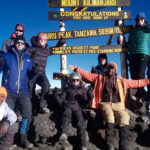
Despite the difficulty, reaching the summit as the sun rises over Africa is an unforgettable reward that makes every challenging step worthwhile.
Age Is Not the Main Determining Factor
People of many different ages successfully climb Kilimanjaro every year.
Young adults, retirees, and families have all reached the summit with proper preparation and professional guidance. Overall health, determination, and choosing an appropriate itinerary generally have a greater influence on success than age alone.
Many older climbers perform exceptionally well because they understand the importance of pacing themselves and following their guides’ advice carefully.
Do You Need Previous Hiking Experience?
Previous hiking experience is certainly beneficial, but it is not essential.
Many first-time trekkers successfully climb Kilimanjaro each year after preparing properly. Participating in regular walks, hill hikes, or weekend treks before the expedition helps build confidence and stamina.
Learning how to walk at a slow, consistent pace while carrying a small backpack also prepares climbers for the rhythm of mountain trekking.
The more familiar you become with extended walking before your trip, the more enjoyable your Kilimanjaro experience is likely to be.
The Importance of Professional Guides
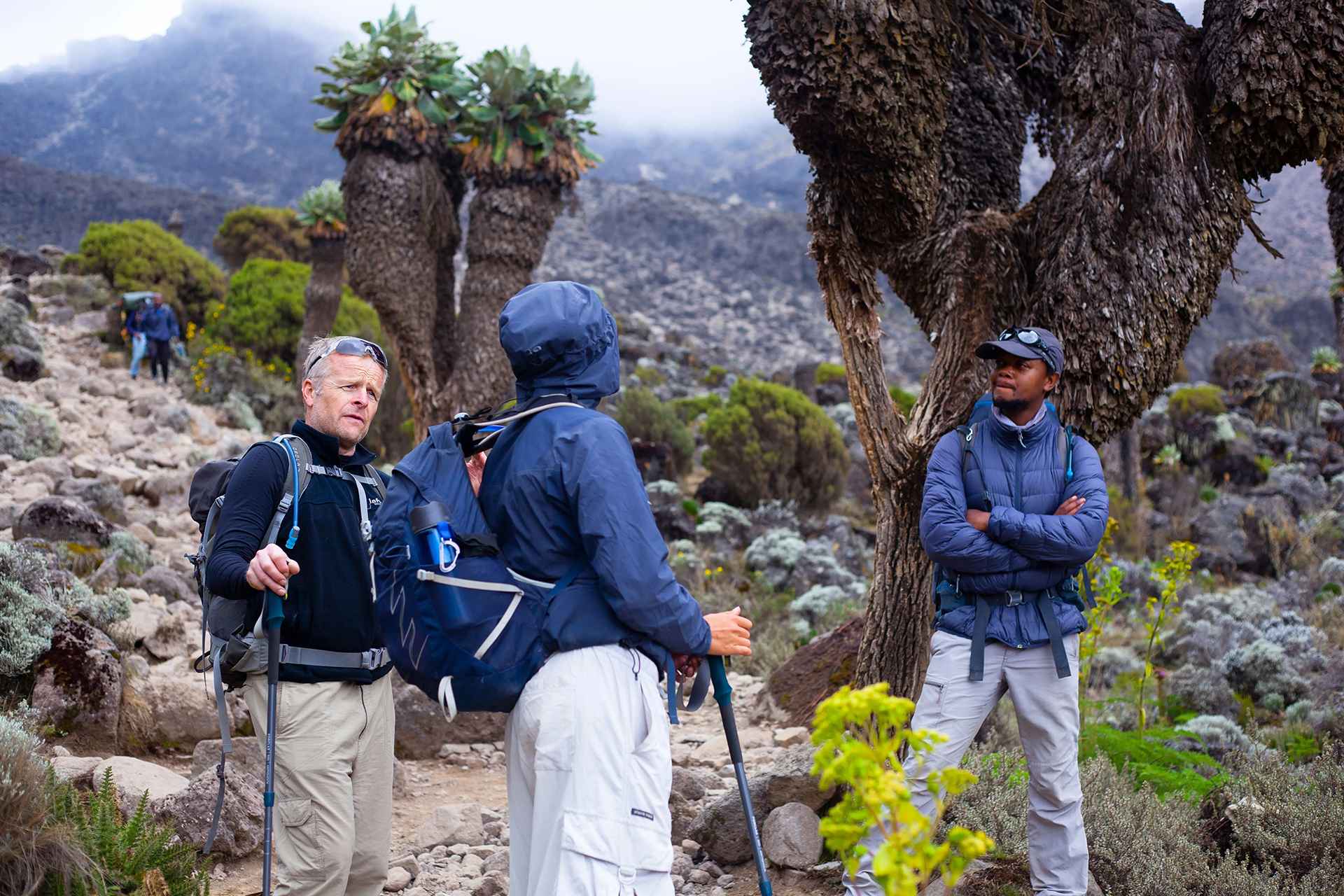
A successful Kilimanjaro expedition depends heavily on the experience of your mountain team.
Professional guides monitor your health, assess acclimatization, recommend appropriate pacing, and provide encouragement throughout the climb. They are trained to recognize early signs of altitude-related illness and make informed decisions that prioritize climber safety.
Porters and cooks also contribute significantly by carrying equipment, preparing nutritious meals, and ensuring camps are ready when climbers arrive each afternoon.
Choosing an experienced operator greatly improves both safety and the overall trekking experience.
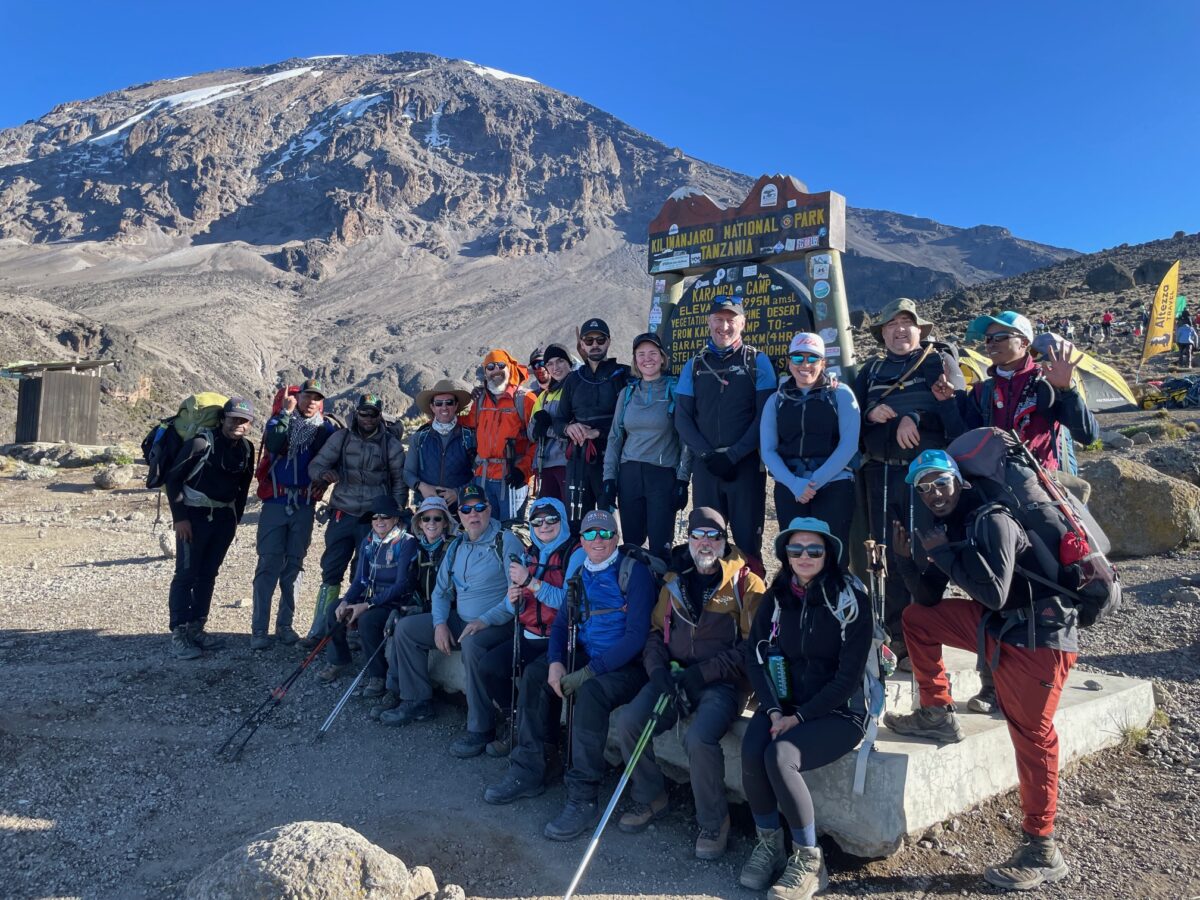
Preparing Yourself Before the Climb
Preparation should begin several months before your departure to Tanzania.
Building cardiovascular endurance, improving leg strength, testing hiking equipment, and selecting appropriate clothing all contribute to a smoother climb. It is equally important to research altitude sickness, understand the itinerary, and prepare mentally for several days of trekking.
Travelers who arrive well-prepared often enjoy the experience more because they can focus on the mountain’s spectacular scenery rather than worrying about avoidable challenges.
Why Thousands of Climbers Reach the Summit Every Year
Despite its challenges, Mount Kilimanjaro remains one of the most accessible high mountains in the world.
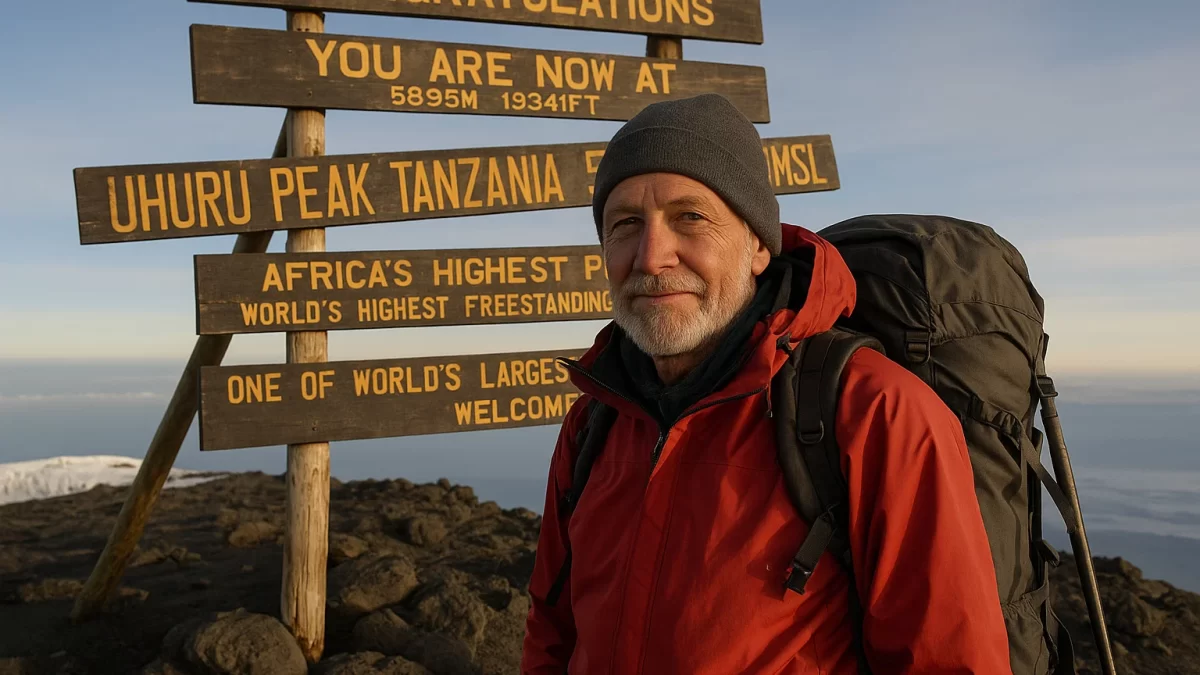
With proper preparation, realistic expectations, experienced guides, and an itinerary that allows sufficient acclimatization, many climbers successfully stand on Uhuru Peak each year.
The journey is demanding, but it is also incredibly rewarding. Every ecological zone offers unique landscapes, every day presents new experiences, and every step brings climbers closer to one of the greatest achievements of their lives.
Why Climb Kilimanjaro with Great Journey Safaris?
At Great Journey Safaris, we understand that every climber is different. Our experienced mountain guides are committed to helping guests prepare thoroughly, climb safely, and maximize their chances of reaching the summit.
We offer carefully planned itineraries with excellent acclimatization profiles, professional mountain crews, quality camping equipment, nutritious meals, and personalized support throughout the expedition.
From your arrival in Tanzania to your successful summit and descent, our team is dedicated to providing an unforgettable Kilimanjaro experience built on safety, professionalism, and exceptional service.
Final Thoughts
So, how difficult is it to climb Mount Kilimanjaro? The climb is challenging but achievable. The greatest obstacle is altitude rather than technical climbing, and success depends on careful preparation, proper acclimatization, physical fitness, mental determination, and choosing the right tour operator.
By selecting an itinerary that allows your body time to adjust, training before your trip, and climbing with experienced professionals, you can significantly increase your chances of reaching Uhuru Peak.
At Great Journey Safaris, we are passionate about helping adventurers from around the world achieve their dream of standing on the Roof of Africa while enjoying a safe, comfortable, and truly memorable mountain adventure.