Discover authentic Tanzania Cultural Tourism Experiences, from Maasai and Chagga village visits to Swahili heritage and traditional lifestyles. Explore Tanzania’s rich cultural diversity with Great Journey Safaris.
Tanzania is globally recognized for its spectacular wildlife safaris, Mount Kilimanjaro, and the beautiful beaches of Zanzibar. However, beyond its natural wonders lies another remarkable treasure—its rich cultural heritage. Home to more than 120 ethnic groups, Tanzania offers travelers an opportunity to connect with diverse traditions, languages, customs, and ways of life that have been preserved for generations.
Cultural tourism in Tanzania allows visitors to move beyond traditional sightseeing and engage directly with local communities. These experiences provide a deeper understanding of the country’s history, daily life, traditional practices, and unique cultural identity. Whether visiting a Chagga village on the slopes of Mount Kilimanjaro, learning from Maasai communities in northern Tanzania, or exploring the Swahili heritage of Zanzibar, cultural tourism adds meaningful and unforgettable dimensions to any Tanzanian journey.
At Great Journey Safaris, we believe that cultural experiences help travelers build authentic connections while contributing to community development and sustainable tourism.
What Is Cultural Tourism?
Cultural tourism involves traveling to experience the traditions, history, lifestyles, and heritage of local communities. Rather than simply observing attractions, travelers actively engage with people, participate in cultural activities, and gain insight into local customs and values.
In Tanzania, cultural tourism offers opportunities to learn traditional skills, explore historical sites, participate in village activities, taste local cuisine, and hear stories passed down through generations. These interactions often become some of the most memorable aspects of a travel experience because they create genuine connections between visitors and host communities.
Cultural tourism also plays an important role in preserving traditions while generating income for local residents.
Why Tanzania Is an Exceptional Cultural Tourism Destination
Tanzania’s cultural diversity makes it one of Africa’s most fascinating destinations for cultural exploration. The country’s many ethnic groups each possess unique languages, customs, clothing styles, music, dances, architectural traditions, and livelihoods.
Despite modernization, many communities continue to maintain strong cultural identities and traditional practices. Visitors have the opportunity to witness these living traditions firsthand while learning how different communities have adapted to their environments over centuries.
The combination of cultural richness, welcoming hospitality, and stunning landscapes makes Tanzania an outstanding destination for travelers seeking meaningful and educational experiences.
Experiencing Chagga Culture on the Slopes of Mount Kilimanjaro
The Chagga people are among Tanzania’s most well-known ethnic groups and primarily inhabit the fertile slopes of Mount Kilimanjaro. Their rich history is closely connected to agriculture, particularly coffee and banana farming.
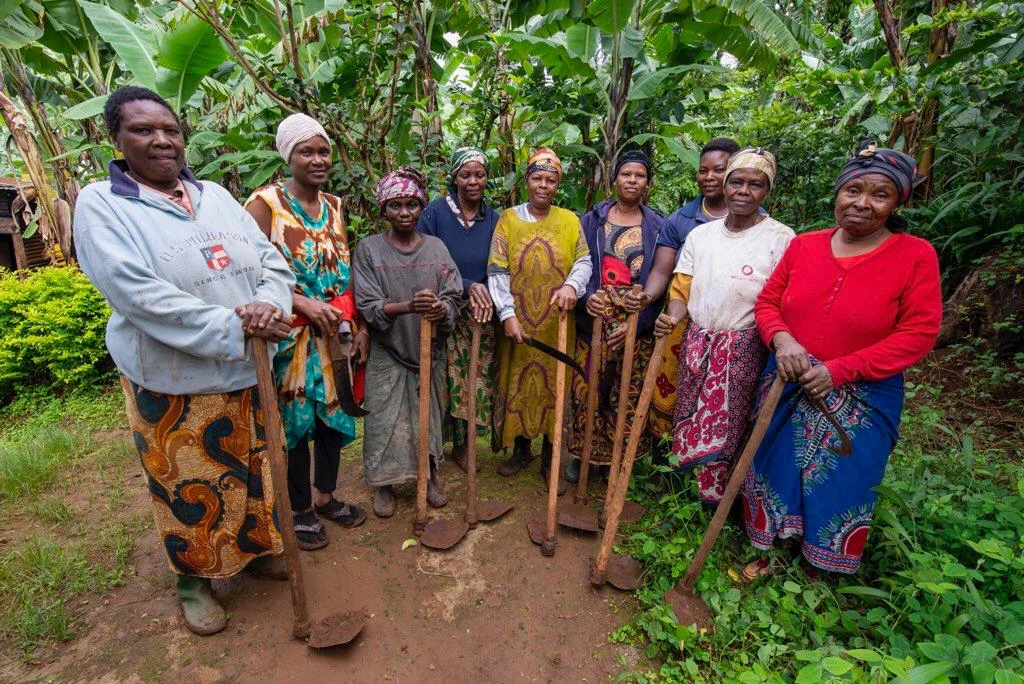
Cultural visits to Chagga villages offer travelers the opportunity to explore traditional homes, learn about local farming techniques, and discover the community’s unique history. Many visitors enjoy participating in traditional coffee-making experiences, where they can follow the entire process from harvesting coffee beans to roasting and preparing a fresh cup of coffee.
Village walks often include visits to waterfalls, local markets, and historical sites that provide deeper insight into the region’s cultural heritage.
Discovering Maasai Traditions and Lifestyle
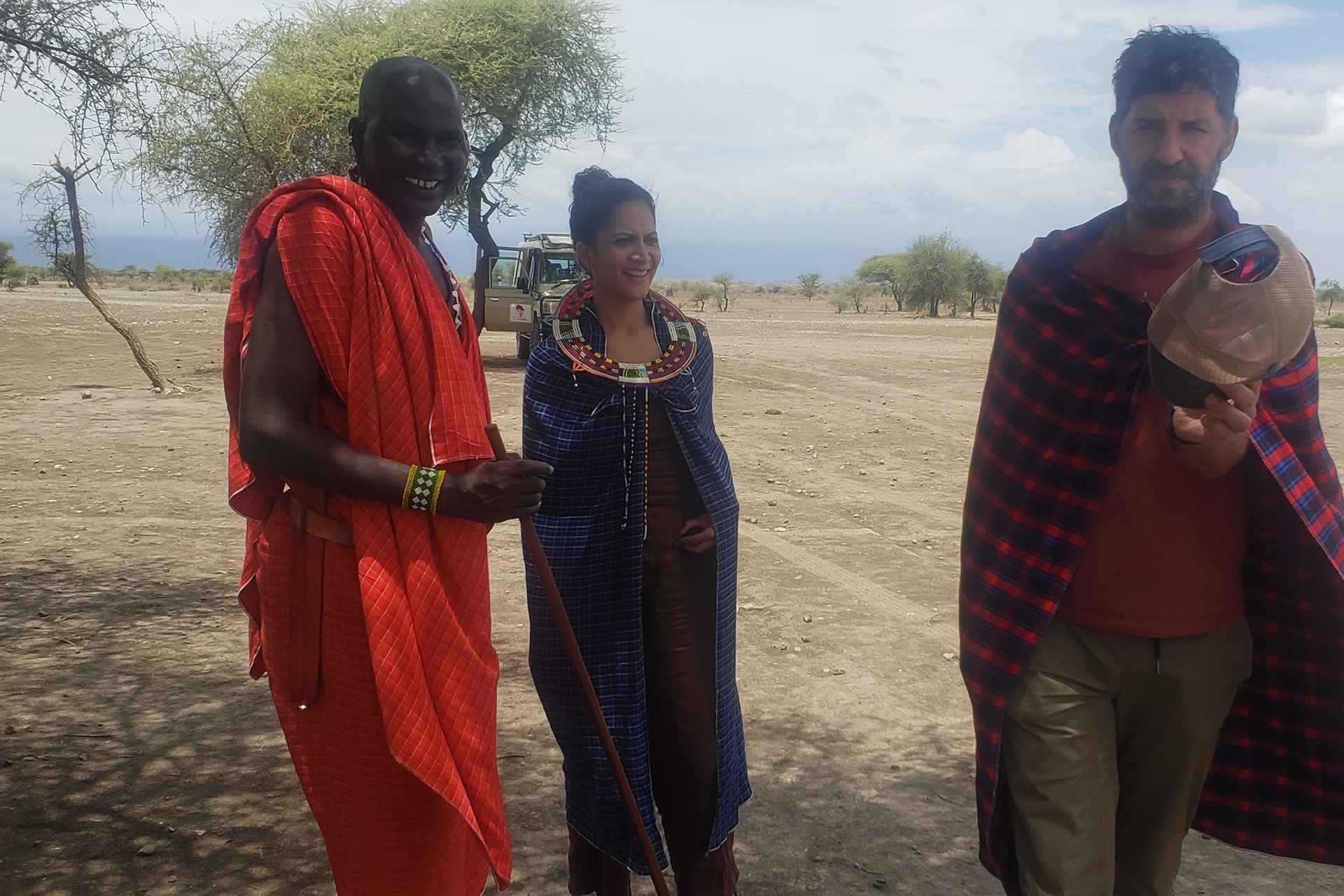
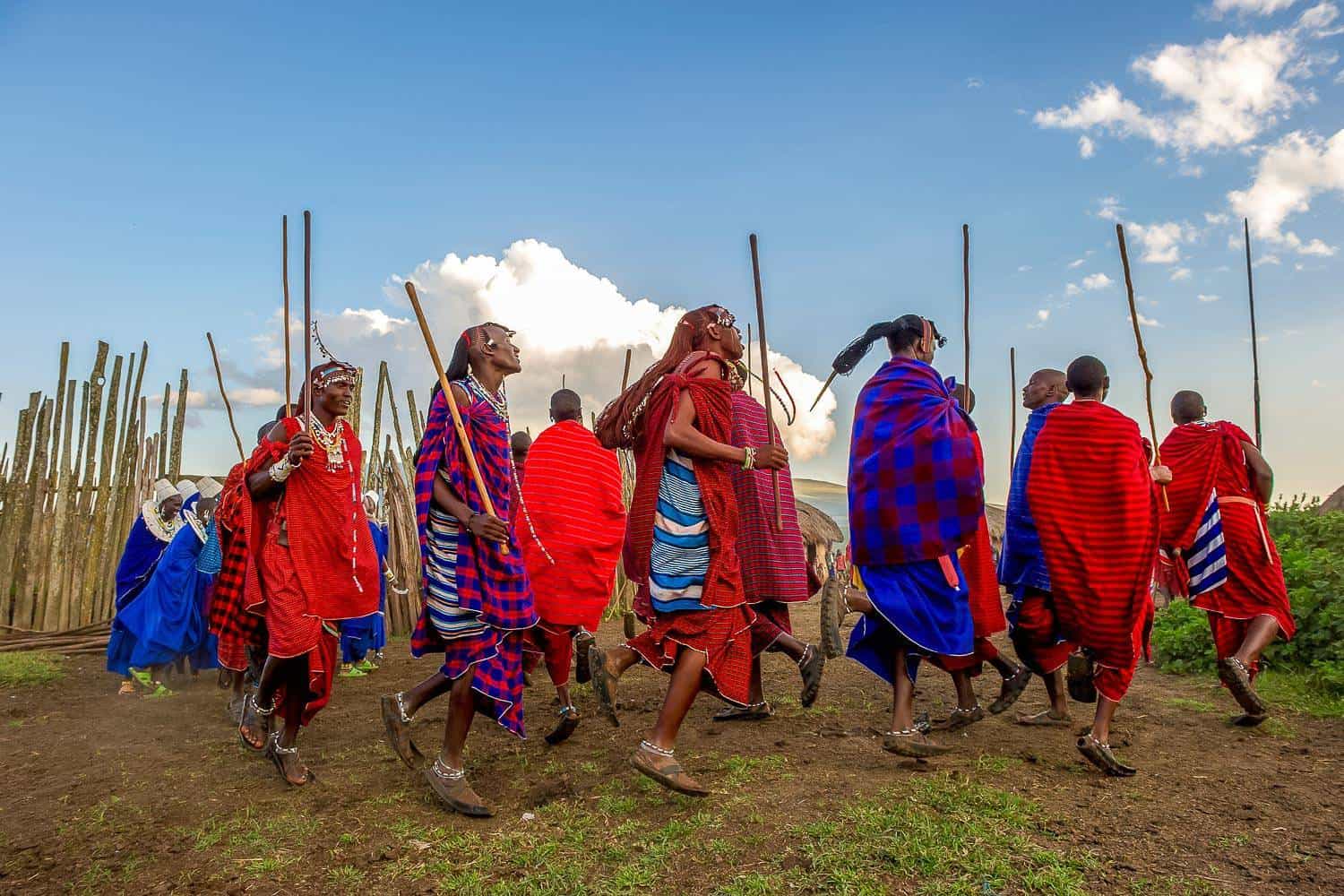
The Maasai are among East Africa’s most iconic cultural groups. Known for their distinctive attire, semi-nomadic lifestyle, and strong cultural traditions, the Maasai continue to maintain many aspects of their ancestral way of life.
Visiting a Maasai community allows travelers to learn about traditional livestock herding practices, family structures, ceremonies, and social customs. Guests may witness traditional dances, explore homesteads, and engage in conversations with community members about their daily lives and cultural values.
These experiences provide valuable insight into a culture that has coexisted with wildlife for generations while maintaining a deep connection to the land.
Exploring Hadzabe Cultural Experiences
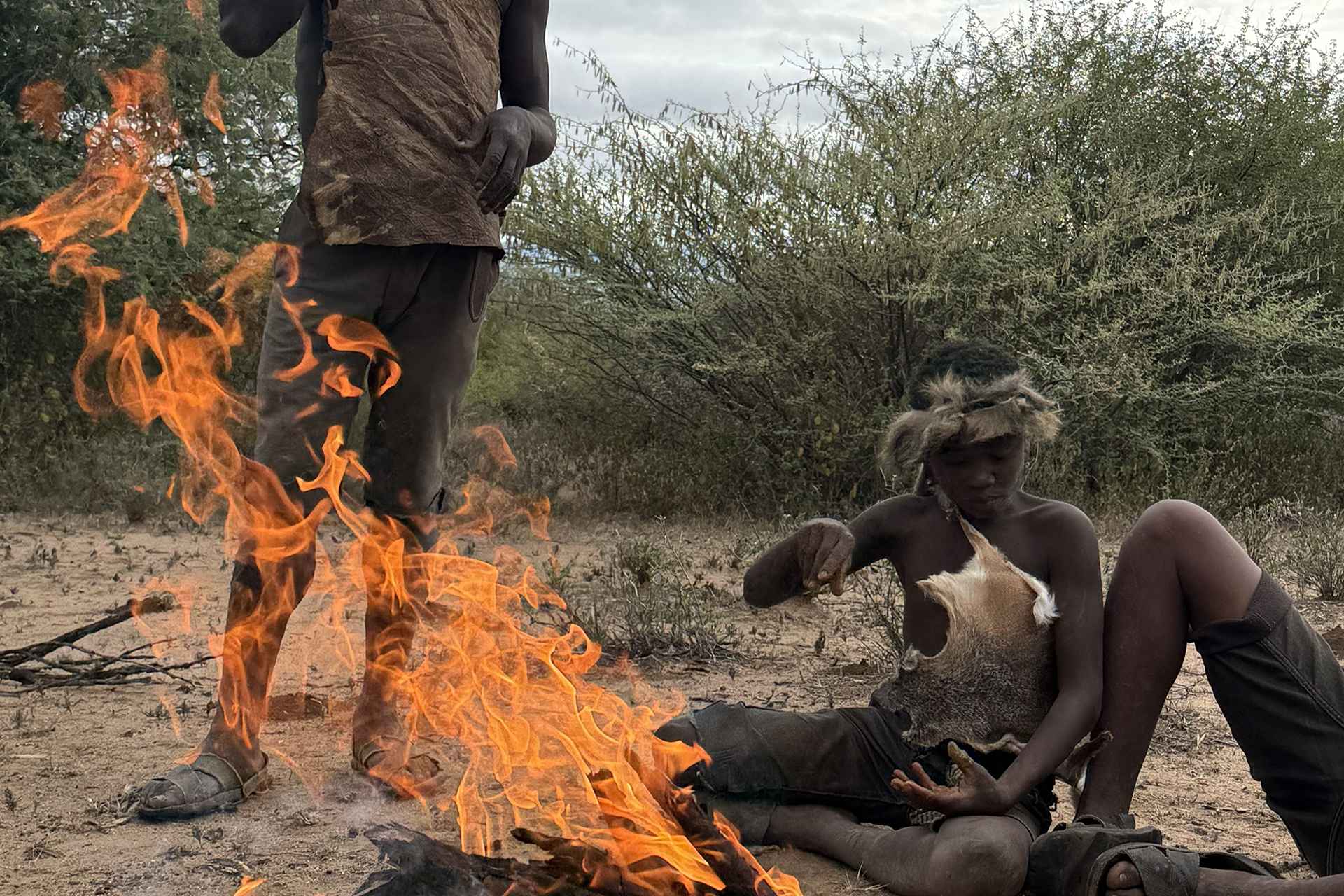
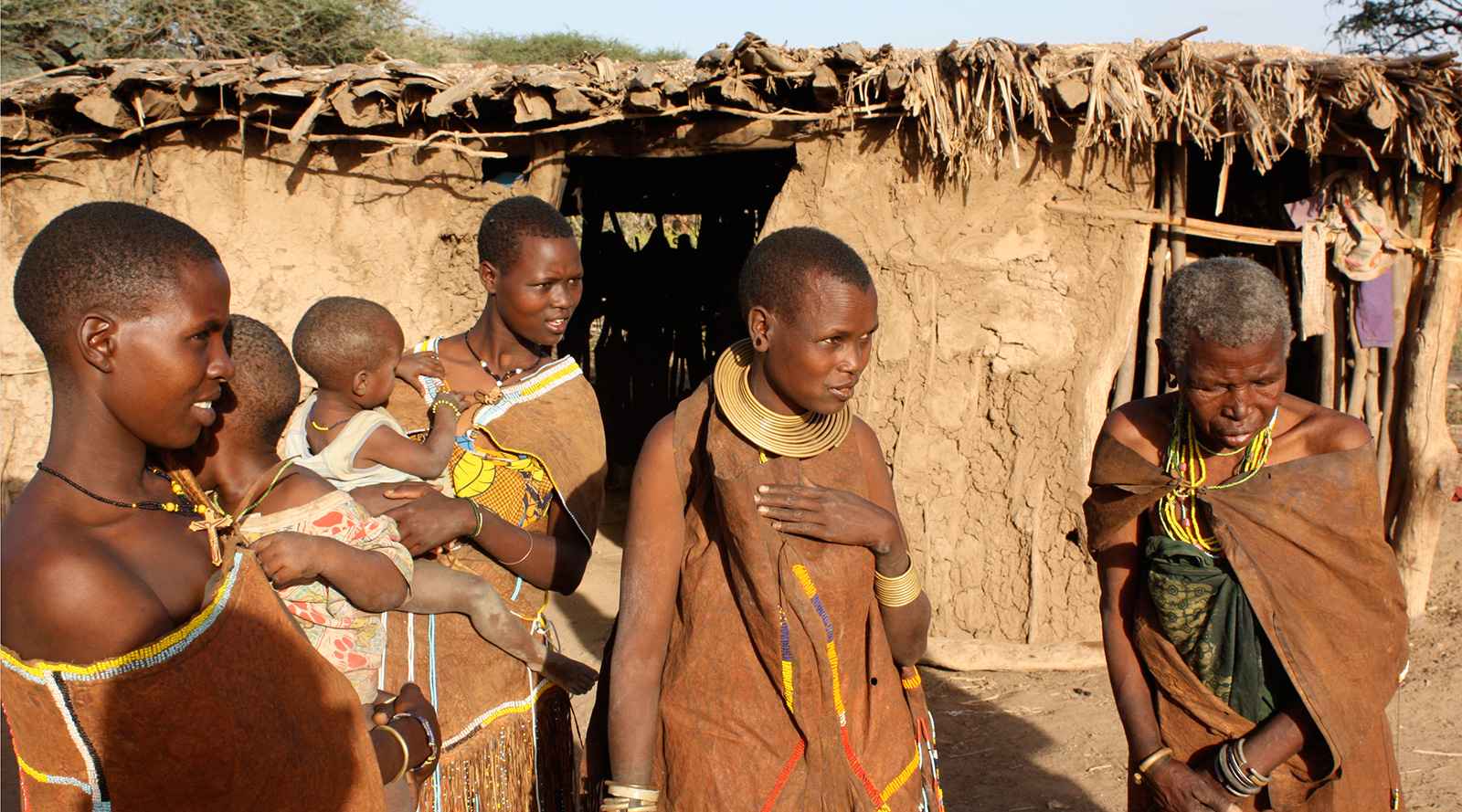
One of Tanzania’s most unique cultural experiences involves visiting the Hadzabe people near Lake Eyasi. The Hadzabe are among the last remaining hunter-gatherer communities in Africa and maintain a lifestyle that closely resembles that of their ancestors.
Visitors can learn about traditional hunting techniques, foraging practices, survival skills, and the community’s unique language. These encounters offer a rare glimpse into one of humanity’s oldest ways of life and provide fascinating perspectives on the relationship between people and nature.
Responsible cultural visits help support community development while preserving valuable cultural knowledge.
Learning from the Datoga Community
The Datoga people are skilled pastoralists and blacksmiths who often live in the same region as the Hadzabe. Their expertise in metalworking has been passed down through generations and remains an important part of their cultural identity.
Travelers visiting Datoga communities can observe traditional blacksmithing techniques, learn about pastoral lifestyles, and gain insight into the customs that shape daily life within the community.
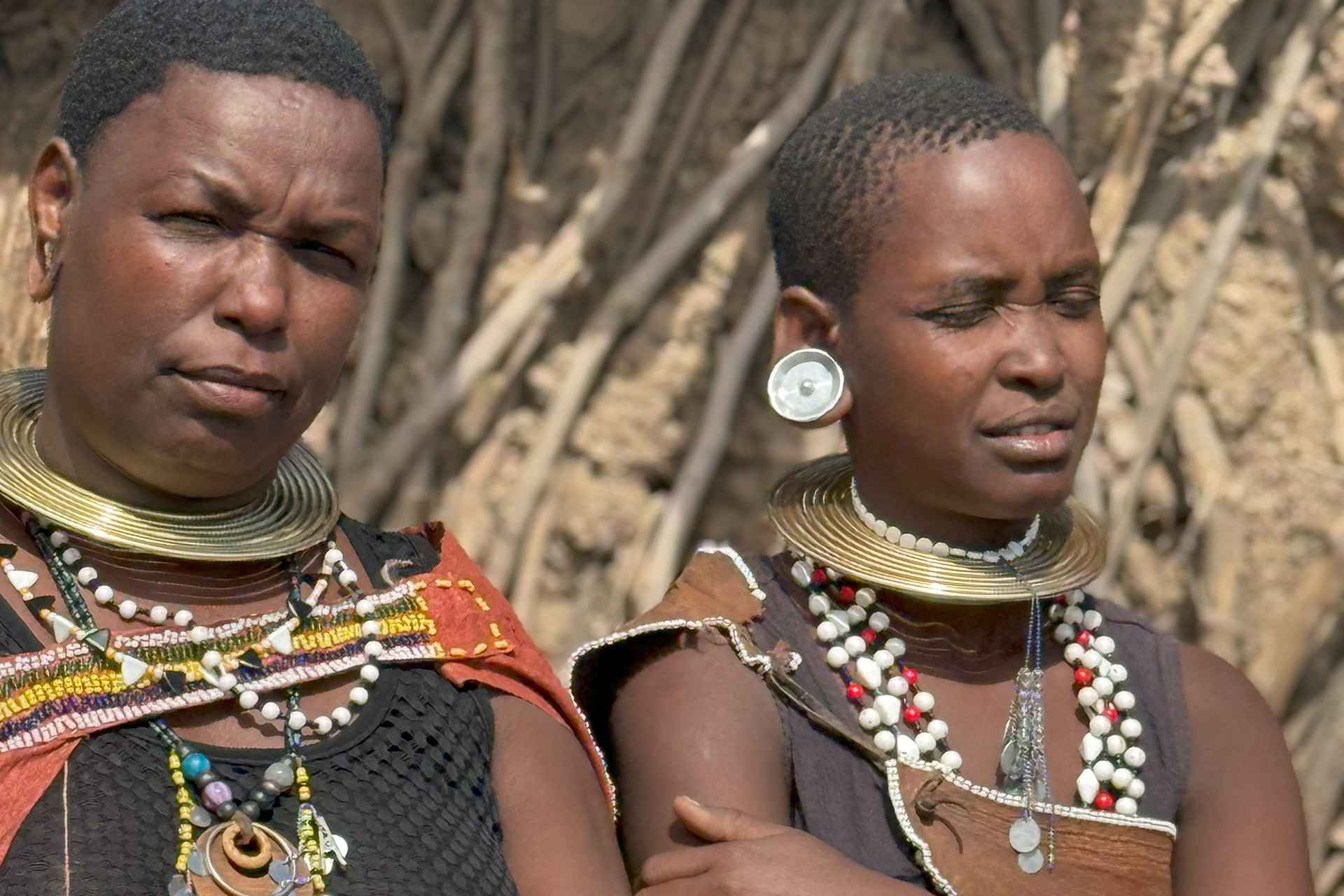
The combination of Hadzabe and Datoga cultural experiences offers visitors a deeper understanding of Tanzania’s remarkable cultural diversity.
Discovering Swahili Culture in Zanzibar
Zanzibar offers one of the richest cultural experiences in Tanzania. The island’s history has been shaped by African, Arab, Persian, Indian, and European influences, creating a unique Swahili culture that remains vibrant today.
Visitors can explore historic Stone Town, wander through narrow alleyways, admire centuries-old architecture, and learn about Zanzibar’s role in regional trade and cultural exchange. Traditional Swahili cuisine, music, art, and craftsmanship further enrich the visitor experience.
The cultural heritage of Zanzibar provides a fascinating contrast to mainland Tanzania’s tribal traditions while showcasing another important aspect of the country’s identity.
Cultural Tourism and Traditional Tanzanian Cuisine
Food is an important part of any cultural experience, and Tanzania offers a diverse culinary landscape influenced by its many ethnic groups and coastal trading history.
Cultural tours often include opportunities to sample traditional dishes prepared using locally sourced ingredients. Visitors may learn cooking techniques, participate in meal preparation, and discover the significance of certain foods within different communities.
Sharing meals with local families often creates meaningful interactions and provides insight into daily life, hospitality, and cultural traditions.

Traditional Music, Dance, and Storytelling
Music and dance play central roles in many Tanzanian communities. Cultural performances often celebrate important events, ceremonies, harvests, and social gatherings.
Visitors may have the opportunity to experience traditional drumming, singing, and dance performances that reflect the heritage of different ethnic groups. Storytelling traditions also remain important in many communities, preserving historical knowledge, moral lessons, and cultural identity.
These artistic expressions provide powerful windows into the values and history of Tanzania’s people.
How Cultural Tourism Supports Local Communities
One of the greatest benefits of cultural tourism is its positive impact on local communities. Income generated through cultural experiences helps support families, community projects, education initiatives, and cultural preservation efforts.
Responsible cultural tourism encourages communities to maintain traditional practices while creating sustainable economic opportunities. By participating in cultural experiences, travelers contribute directly to local livelihoods and community development.
This creates a mutually beneficial relationship where visitors gain authentic experiences while communities benefit from tourism revenue.
Combining Cultural Tourism with Wildlife Safaris
Many travelers choose to combine cultural experiences with Tanzania’s famous wildlife safaris. This combination creates a more comprehensive understanding of the country by allowing visitors to explore both its natural and cultural heritage.
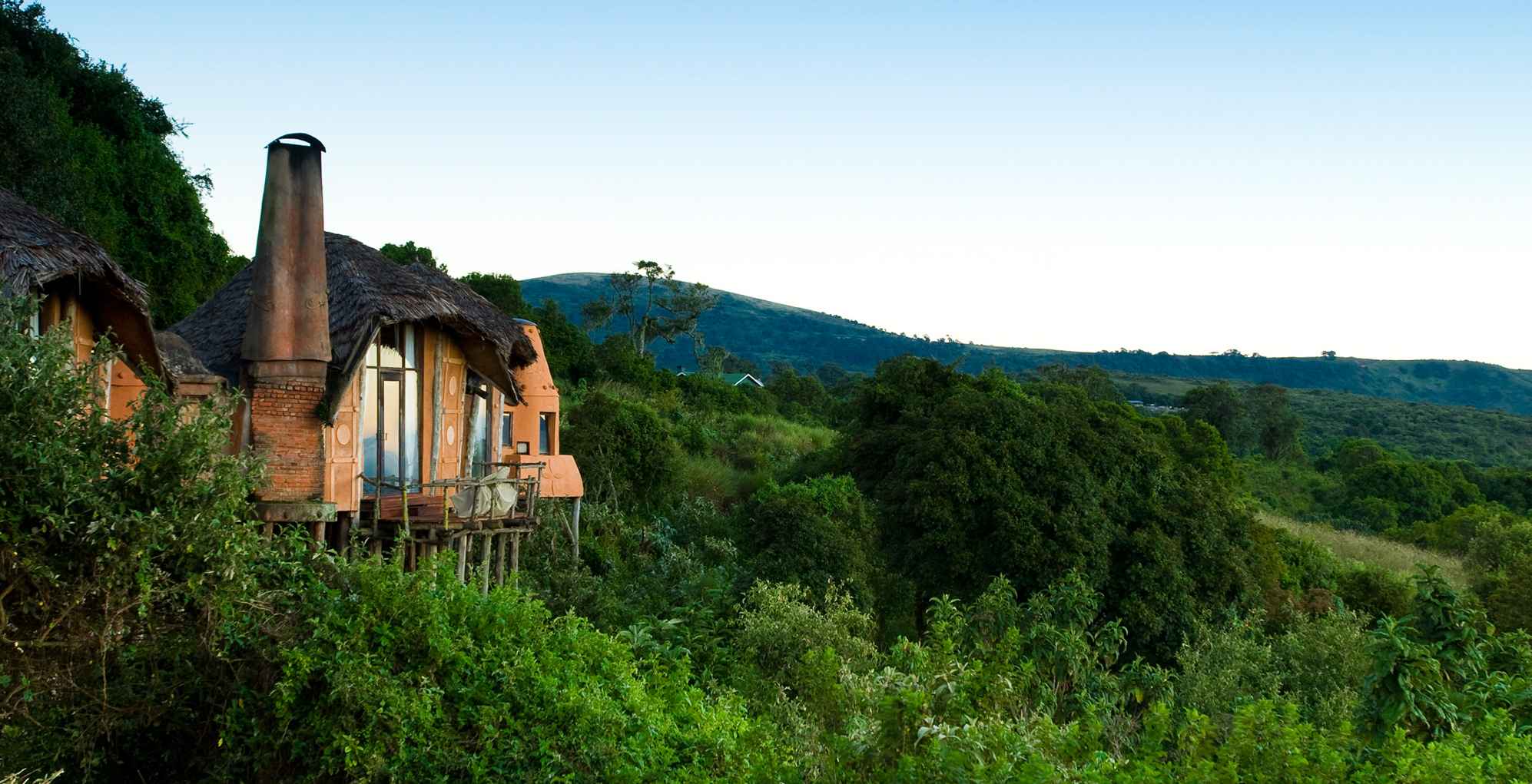
A safari through the Serengeti or Ngorongoro Crater becomes even more meaningful when paired with visits to local communities that have lived alongside wildlife for generations. These experiences provide valuable perspectives on conservation, coexistence, and traditional knowledge.
Combining culture and wildlife often results in a richer and more rewarding travel experience.
Responsible Cultural Tourism Practices
Respect and sensitivity are essential when participating in cultural tourism activities. Visitors should approach cultural experiences with an open mind, respect local customs, and seek permission before taking photographs when appropriate.
Supporting locally owned businesses, purchasing authentic handicrafts, and engaging respectfully with community members helps ensure that tourism benefits local residents while preserving cultural integrity.
Responsible cultural tourism fosters positive relationships between travelers and host communities.
Why Choose Great Journey Safaris for Cultural Tourism Experiences
At Great Journey Safaris, we are passionate about helping travelers discover the authentic side of Tanzania. Our carefully designed cultural tourism experiences provide meaningful opportunities to engage with local communities while supporting sustainable tourism initiatives.
We work closely with community partners to ensure that cultural visits are respectful, educational, and beneficial for everyone involved. Whether you wish to explore Chagga traditions, visit Maasai villages, discover Hadzabe culture, or experience the rich heritage of Zanzibar, we can create a personalized itinerary that matches your interests.
Final Thoughts
Tanzania Cultural Tourism Experiences offer travelers a unique opportunity to explore the country’s rich traditions, diverse communities, and fascinating heritage. Beyond wildlife safaris and scenic landscapes, cultural tourism reveals the human stories that make Tanzania such an extraordinary destination.
By engaging with local communities, learning traditional practices, and supporting responsible tourism initiatives, travelers gain deeper insights into Tanzania’s identity while contributing to cultural preservation and community development.
With Great Journey Safaris, you can experience the heart and soul of Tanzania through authentic cultural encounters that create lasting memories and meaningful connections.