Explore our Tanzania Photographic Safari Guide and discover the best wildlife photography destinations, ideal travel seasons, and expert tips for capturing stunning safari moments with Great Journey Safaris.
Best Time for a Tanzania Photographic Safari: Where to Go and When to Capture the Perfect Wildlife Moments
Tanzania is one of the world’s premier destinations for wildlife photography. Home to vast savannahs, dramatic landscapes, abundant wildlife, and some of Africa’s most iconic national parks, the country offers endless opportunities for photographers of all skill levels. Whether you are a professional wildlife photographer carrying specialized equipment or a passionate traveler hoping to capture unforgettable safari memories, Tanzania provides extraordinary photographic experiences throughout the year.
At Great Journey Safaris, we understand that a successful photographic safari requires more than simply spotting animals. Light conditions, seasonal wildlife movements, landscapes, weather patterns, and timing all play critical roles in creating stunning images. Understanding when and where to go can dramatically enhance your chances of capturing remarkable photographs that tell compelling stories of Africa’s wilderness.
Why Tanzania Is a Dream Destination for Wildlife Photography
Few countries offer the diversity of photographic opportunities found in Tanzania. Within a single safari, photographers can capture dramatic predator hunts, vast herds of migrating wildebeest, colorful birdlife, majestic elephants, breathtaking sunsets, and spectacular landscapes stretching to the horizon.
Tanzania’s protected areas remain relatively wild and unspoiled, allowing photographers to document natural animal behaviors in their authentic environment. The variety of ecosystems—from open plains and volcanic craters to woodlands, rivers, lakes, and wetlands—ensures a diverse portfolio of images from a single trip.
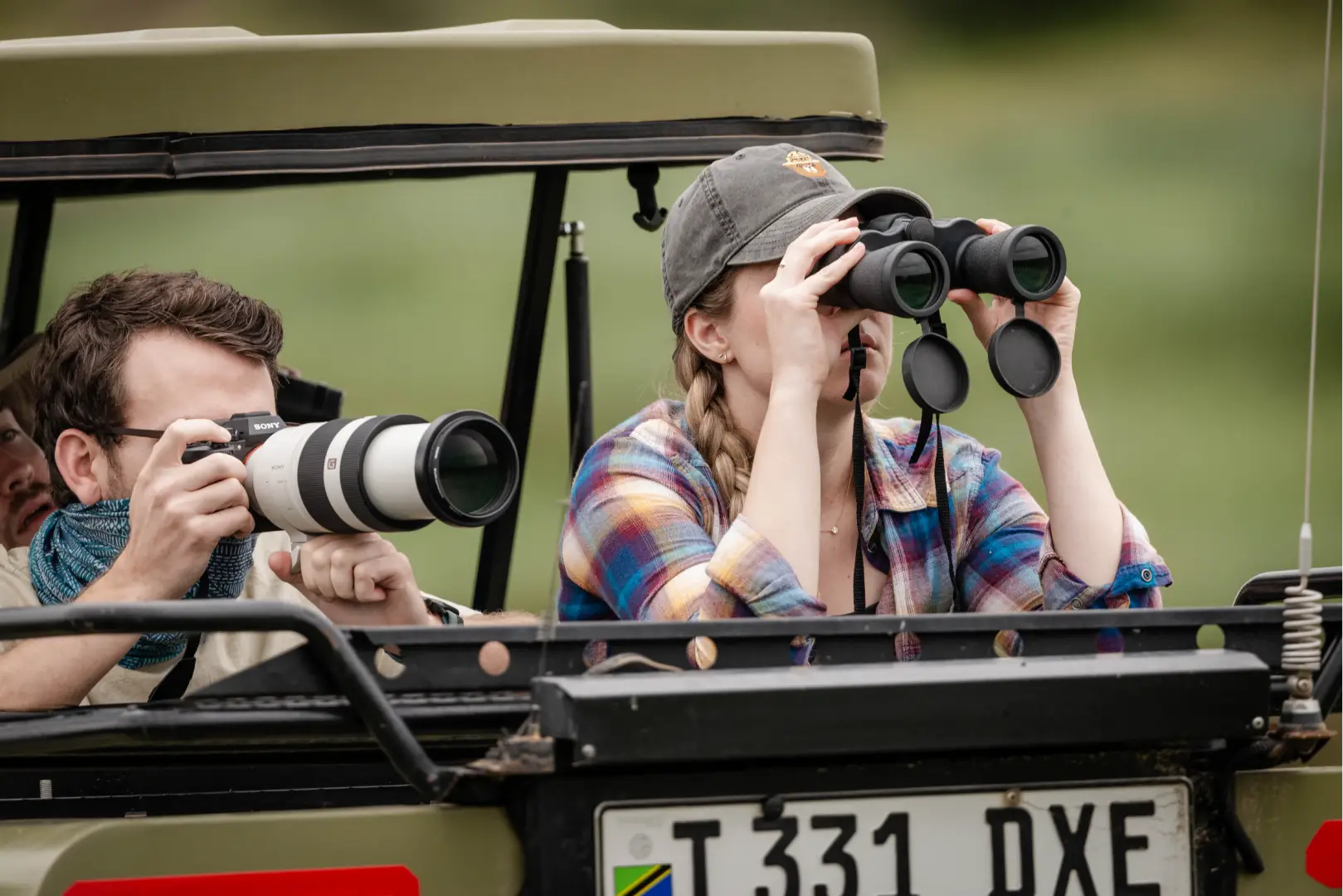
Perhaps most importantly, Tanzania’s wildlife populations are among the highest in Africa, increasing the likelihood of meaningful wildlife encounters and exceptional photographic opportunities.
Understanding the Best Time for a Tanzania Photographic Safari
The best time for a photographic safari depends largely on the type of images you hope to capture. Different seasons offer unique advantages, making Tanzania an attractive destination throughout the year.
The dry season, which typically runs from June to October, is widely regarded as the prime safari season. During these months, vegetation becomes less dense and animals gather around rivers, lakes, and permanent water sources. Wildlife is easier to locate and photograph, while clear skies provide excellent visibility and beautiful natural lighting.
The green season, generally occurring between November and May, offers a completely different photographic experience. The landscapes transform into vibrant green environments, dramatic storm clouds create atmospheric backdrops, and migratory birds arrive in large numbers. Many photographers prefer this period because of the rich colors and fewer tourist vehicles around wildlife sightings.
June to October: The Peak Season for Wildlife Photography
The dry season offers some of the most reliable wildlife photography opportunities in Tanzania. As water sources become limited, animals congregate in predictable locations, making sightings more frequent and easier to photograph.
The lighting during this period is often excellent, particularly during early mornings and late afternoons when the golden sunlight enhances colors and textures. Dust rising from the plains can add dramatic effects to photographs, especially during large wildlife movements.
Predator sightings are also particularly rewarding during this season, as lions, cheetahs, leopards, and hyenas remain active around concentrated prey populations.
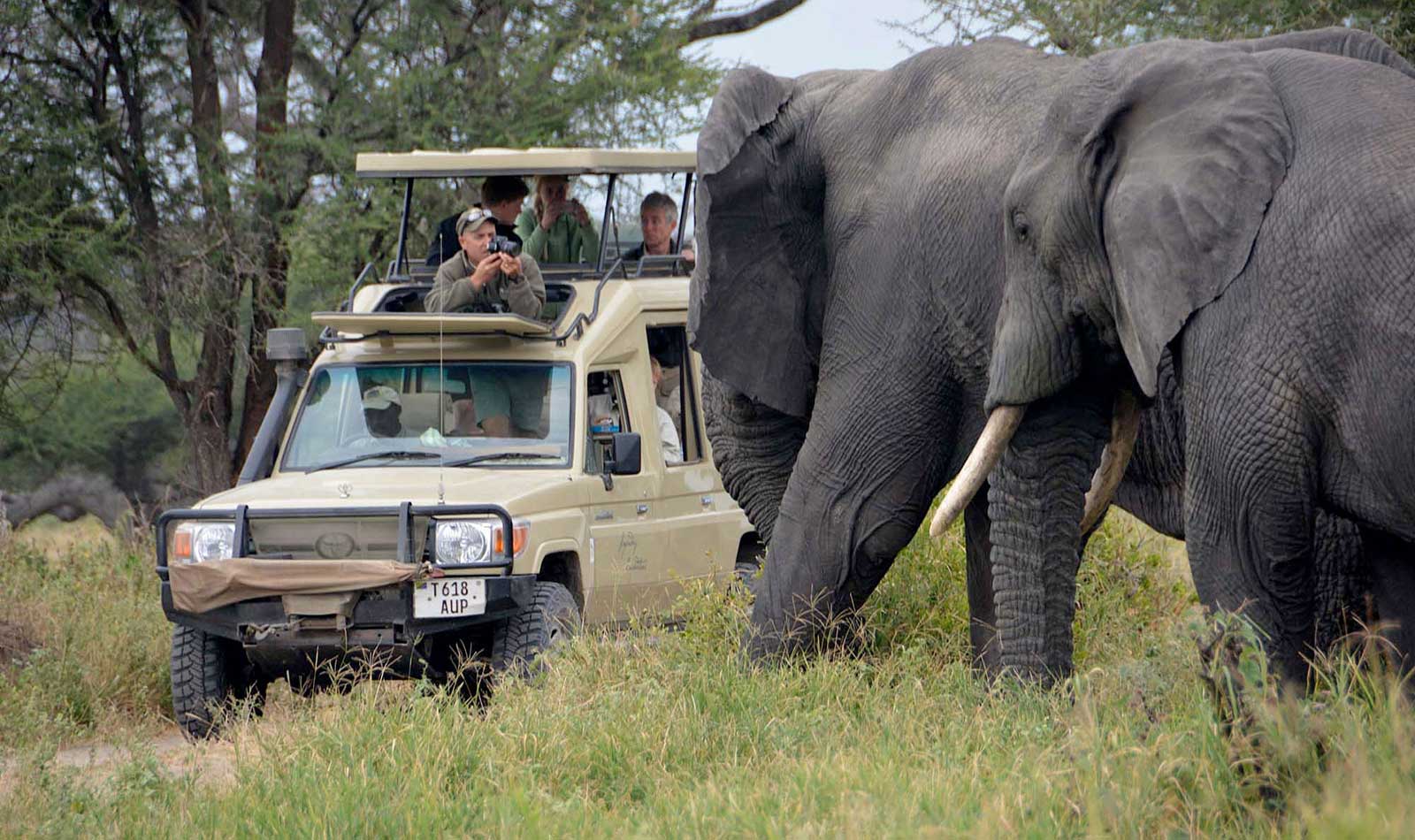
January to March: Calving Season Photography
For photographers interested in capturing wildlife behavior, January through March is one of the most exciting times to visit Tanzania.
During this period, hundreds of thousands of wildebeest gather in the southern Serengeti and Ndutu region to give birth. Thousands of calves are born each day, creating remarkable opportunities to photograph newborn animals taking their first steps.
The abundance of vulnerable young animals attracts predators, resulting in dramatic wildlife interactions that provide extraordinary photographic moments. This season is especially popular among photographers seeking action shots and behavioral storytelling images.
The Green Season: A Hidden Gem for Photographers
Many photographers overlook Tanzania’s green season, but it can be one of the most rewarding times to visit.
Fresh vegetation creates vibrant landscapes that contrast beautifully with wildlife subjects. Seasonal flowers bloom, skies become more dramatic, and afternoon storms often produce spectacular lighting conditions.
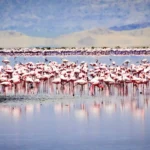
Bird photographers particularly benefit from this period, as migratory species arrive from Europe and Asia, adding color and diversity to photographic opportunities.
Because visitor numbers are lower, photographers often enjoy more flexibility and less competition at wildlife sightings.
Serengeti National Park: Tanzania’s Ultimate Photographic Destination
No destination rivals the photographic opportunities available in the Serengeti. The vast open plains provide unobstructed views, allowing photographers to capture wildlife within expansive landscapes that showcase the scale of Africa’s wilderness.
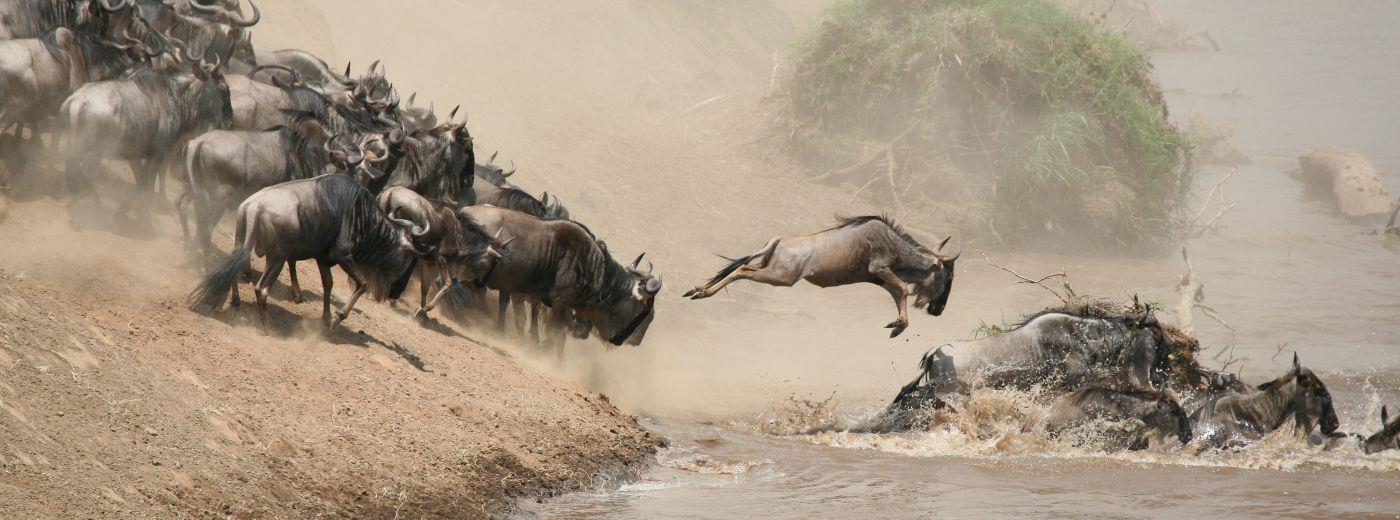
The Serengeti is famous for the Great Migration, one of the most spectacular wildlife events on Earth. Depending on the season, photographers can document massive herds crossing rivers, moving across open plains, or gathering in calving areas.
The park’s healthy populations of lions, cheetahs, leopards, elephants, giraffes, and numerous antelope species ensure endless photographic possibilities throughout the year.
Ndutu Area: The Best Place for Calving Season Photography
Located between the southern Serengeti and the Ngorongoro Conservation Area, Ndutu becomes a wildlife photography paradise during the calving season.
Photographers can capture dramatic scenes of newborn wildebeest, maternal behavior, predator-prey interactions, and vast herds stretching across the plains. Because off-road driving is permitted in designated areas of Ndutu, photographers often enjoy greater flexibility when positioning vehicles for the perfect shot.
The combination of abundant wildlife and open landscapes makes Ndutu one of East Africa’s most productive photography destinations.
Ngorongoro Crater: Wildlife Photography in a Unique Setting
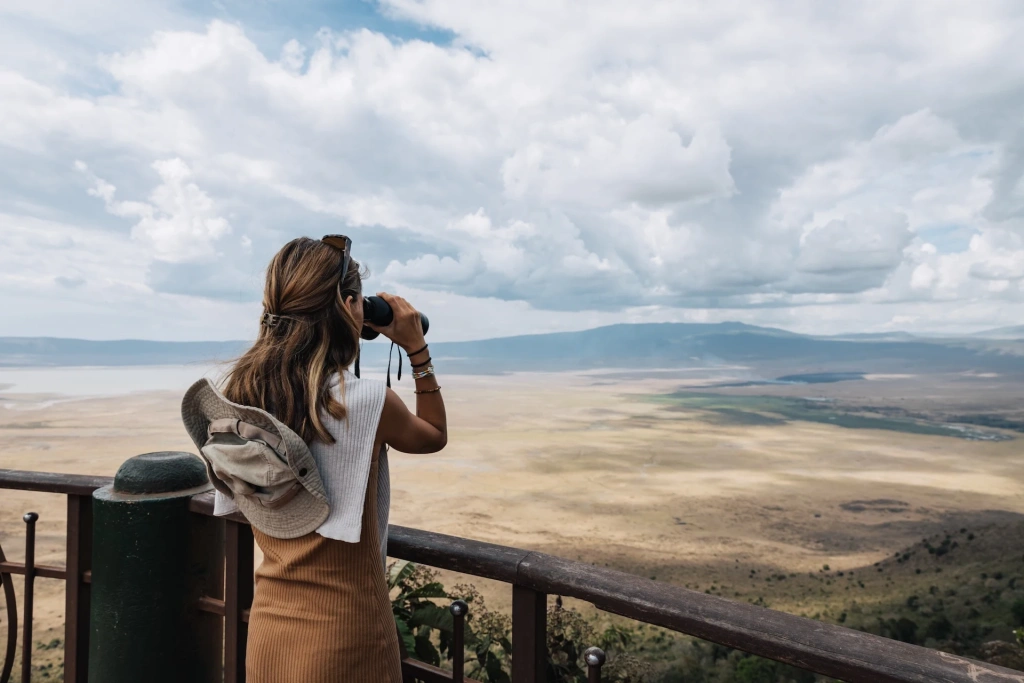
The Ngorongoro Crater offers one of the most visually stunning safari environments in Africa. The crater floor provides an extraordinary concentration of wildlife surrounded by dramatic volcanic walls.
Photographers can capture elephants, lions, zebras, buffaloes, hippos, and endangered black rhinos against beautiful natural backdrops. The unique topography creates opportunities for landscape photography as well as close-up wildlife portraits.
Morning light inside the crater can be particularly magical, producing atmospheric images with soft shadows and rich colors.
Tarangire National Park: Land of Giants
Tarangire National Park is often regarded as one of Tanzania’s most underrated photography destinations.
The park is famous for its massive elephant herds and ancient baobab trees, which create iconic African compositions. During the dry season, wildlife congregates along the Tarangire River, providing excellent opportunities for animal photography.
The park’s unique landscapes, combined with fewer vehicles compared to other popular parks, allow photographers to create distinctive images that stand out from traditional safari photographs.
Northern Serengeti: Capturing the Great Migration River Crossings
For many wildlife photographers, witnessing and photographing a Great Migration river crossing is the ultimate safari experience.
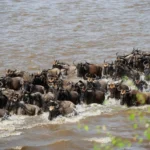
Between approximately July and October, vast herds attempt to cross the Mara River in northern Serengeti. These crossings produce dramatic scenes involving thousands of wildebeest, powerful river currents, and lurking crocodiles.
Patience is essential, but photographers who spend time in the region are often rewarded with some of the most iconic wildlife images Africa has to offer.
Ruaha National Park: Tanzania’s Hidden Photography Treasure
Photographers seeking exclusive wildlife experiences often choose Ruaha National Park. As one of Tanzania’s largest and least crowded parks, Ruaha offers outstanding opportunities to photograph wildlife without the vehicle congestion found in some more famous destinations.
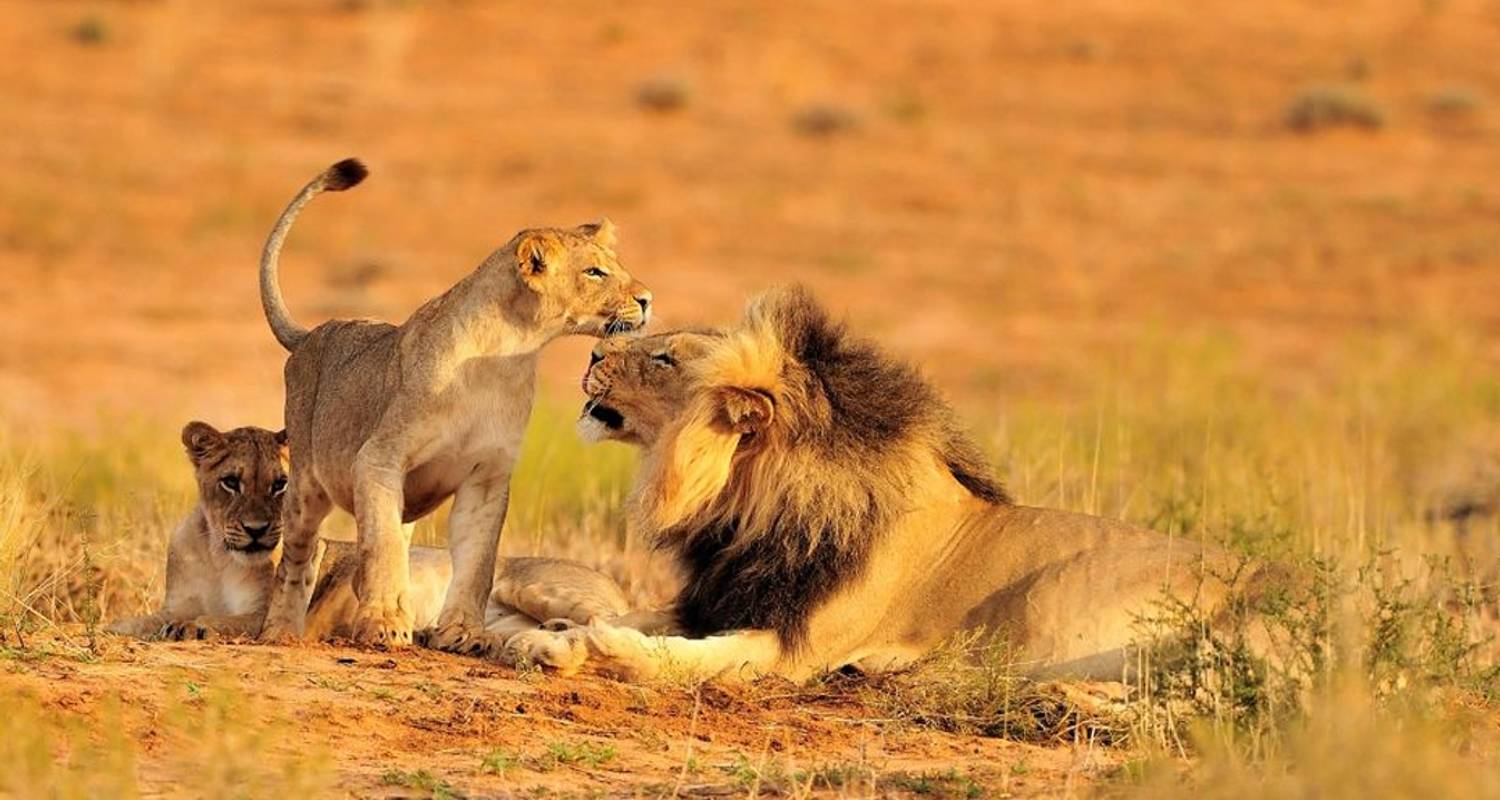
The park is renowned for large lion prides, elephant populations, dramatic landscapes, and exceptional predator activity. The rugged scenery provides a distinctive photographic style that differs from the Serengeti’s open plains.
Essential Photography Tips for a Tanzania Safari
Successful wildlife photography requires patience, preparation, and an understanding of animal behavior. Early morning and late afternoon game drives generally offer the best lighting conditions, often referred to as the “golden hours.”
Photographers should focus not only on close-up animal portraits but also on environmental images that showcase wildlife within their natural habitat. Capturing behavior, interactions, and storytelling moments often creates more compelling photographs than simple animal sightings.
Flexibility is also important. Wildlife is unpredictable, and some of the best images result from unexpected opportunities rather than planned encounters.
Why Travel with Great Journey Safaris for a Photographic Safari
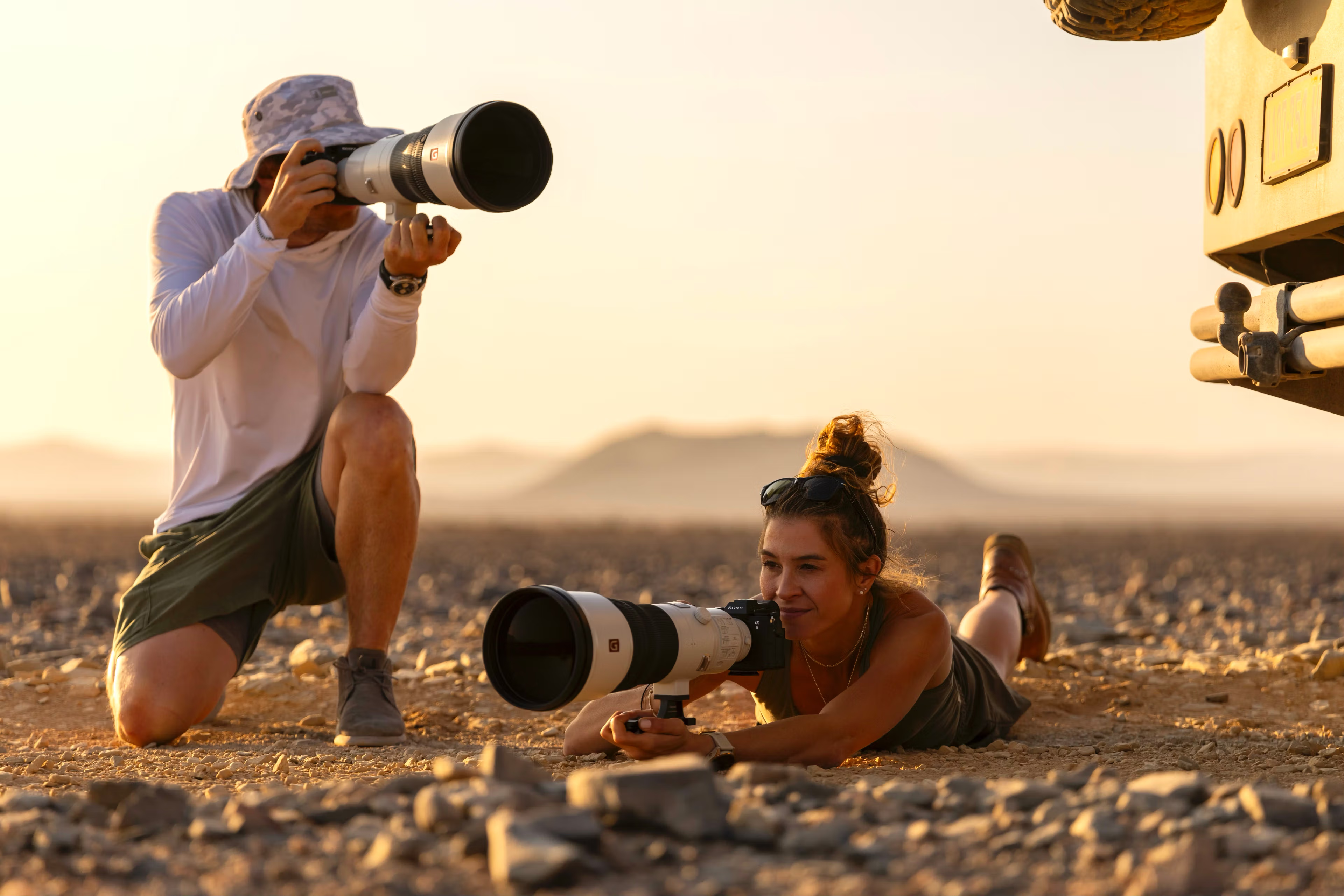
At Great Journey Safaris, we understand the unique requirements of wildlife photographers. Our experienced guides know how to position safari vehicles for optimal lighting, identify animal behavior before key moments unfold, and maximize photographic opportunities throughout your journey.
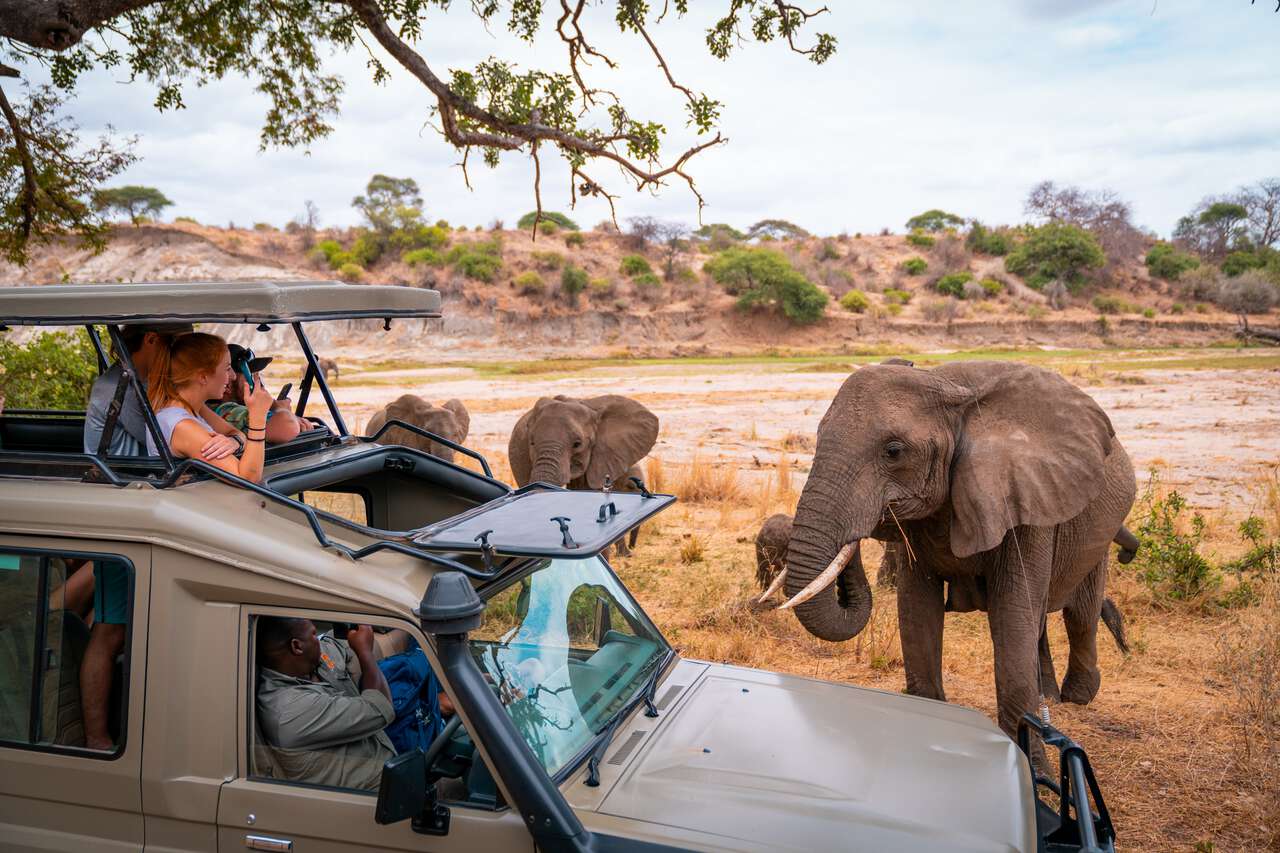
Whether your goal is photographing the Great Migration, capturing dramatic predator interactions, documenting birdlife, or creating a diverse wildlife portfolio, we can design a customized itinerary tailored specifically to your photographic interests.
Final Thoughts
The best time for a Tanzania photographic safari ultimately depends on the images you wish to create. The dry season offers exceptional wildlife visibility and migration opportunities, while the green season provides vibrant landscapes, dramatic skies, and unique photographic perspectives.
From the legendary Serengeti and Ngorongoro Crater to the elephant-filled landscapes of Tarangire and the remote wilderness of Ruaha, Tanzania offers some of the finest wildlife photography opportunities on the planet.
With careful planning and the expertise of Great Journey Safaris, your photographic safari can become an unforgettable journey filled with extraordinary wildlife encounters and breathtaking images that will last a lifetime.