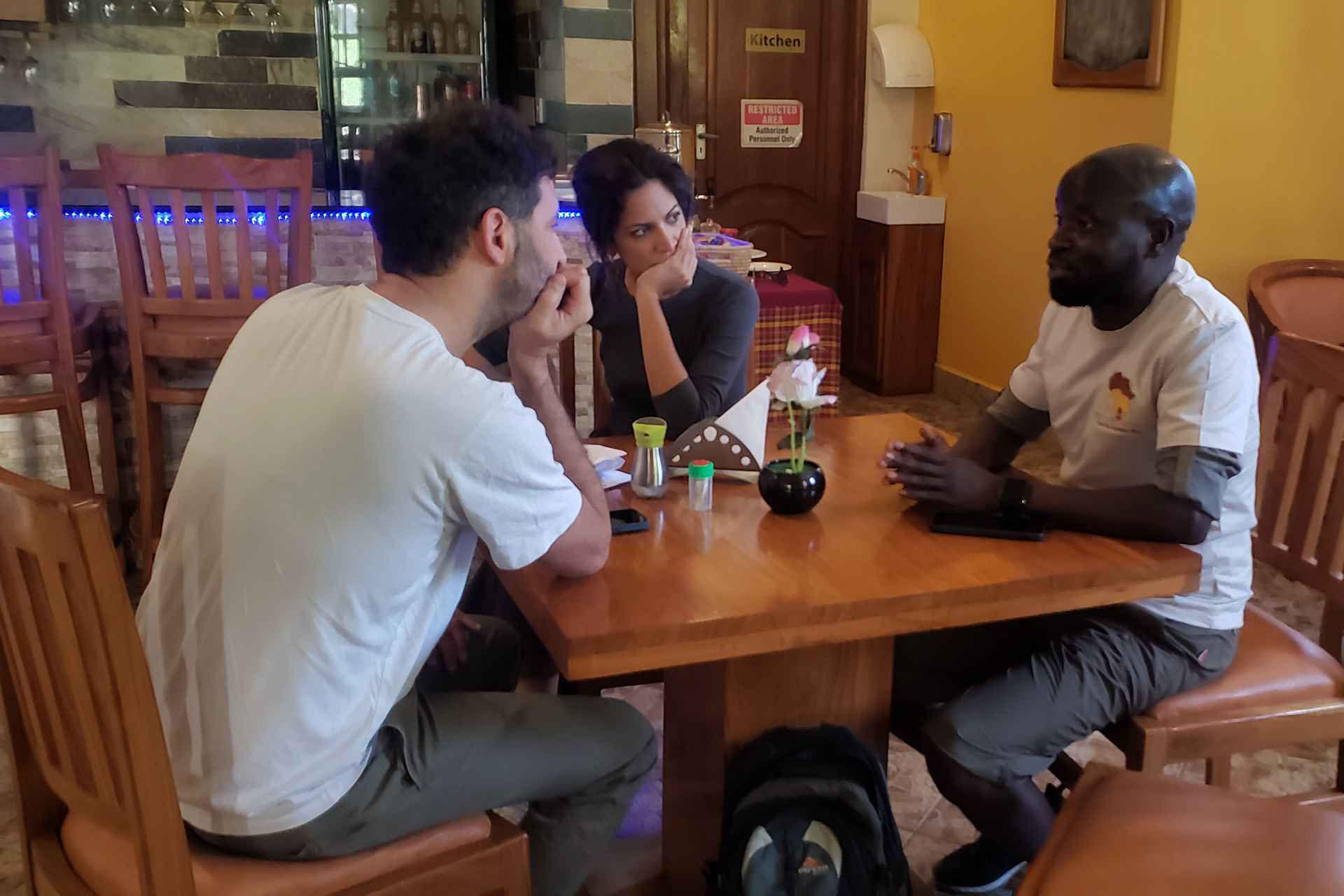
Learn about Tanzania Tipping Guidelines, including tipping etiquette for safari guides, Kilimanjaro crews, hotel staff, drivers, and restaurants to help you travel confidently with Great Journey Safaris.
Traveling to Tanzania is an unforgettable experience, whether you’re embarking on a wildlife safari across the Serengeti, climbing the majestic Mount Kilimanjaro, exploring vibrant local communities, or relaxing on the beautiful beaches of Zanzibar. As you prepare for your journey, one topic that often raises questions is tipping.
Unlike mandatory service charges, tipping in Tanzania is generally considered a voluntary gesture of appreciation for exceptional service. However, within the tourism industry, it has become an established custom and forms an important part of the income for many hardworking professionals, including safari guides, mountain crews, hotel staff, drivers, and other service providers.
Understanding local tipping practices before you arrive helps you budget appropriately and ensures that you can reward the individuals who contribute to making your journey memorable.
At Great Journey Safaris, we believe in transparency and responsible tourism. This guide explains how tipping works in Tanzania and provides practical guidance to help you travel with confidence.
Is Tipping Mandatory in Tanzania?
Tipping is not required by law in Tanzania, and no traveler should ever feel pressured to leave a gratuity. However, it is widely accepted throughout the tourism industry and is viewed as a way of recognizing excellent service.
Many people working in tourism devote long hours to ensuring visitors enjoy safe, comfortable, and unforgettable experiences. A tip acknowledges their professionalism, dedication, and hospitality.

Rather than thinking of tipping as an obligation, it is better viewed as a personal way of expressing appreciation for outstanding service.
Why Tipping Is Important in Tanzania’s Tourism Industry
Tourism supports thousands of livelihoods across Tanzania. Behind every successful safari or mountain expedition is a team of professionals working together to create a seamless experience.
Safari guides spend countless hours tracking wildlife, sharing their knowledge, ensuring guest safety, and adapting each day’s activities to maximize wildlife sightings.
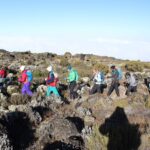
On Mount Kilimanjaro, guides, assistant guides, cooks, and porters work together to support climbers throughout the expedition. Porters carry camping equipment, food supplies, and luggage while cooks prepare nutritious meals in challenging mountain conditions.
Hotels, lodges, restaurants, drivers, and airport transfer teams also contribute significantly to the quality of a visitor’s experience.
Tipping provides additional recognition for these dedicated professionals and helps support local families and communities.
Tipping Your Safari Guide
Your safari guide often becomes one of the most important people during your Tanzania adventure. Beyond driving the vehicle, professional guides interpret wildlife behavior, locate animals, explain ecosystems, answer questions, and ensure your safety throughout the safari.
An experienced guide can transform a good safari into an extraordinary one through their knowledge, patience, and ability to anticipate wildlife movements.
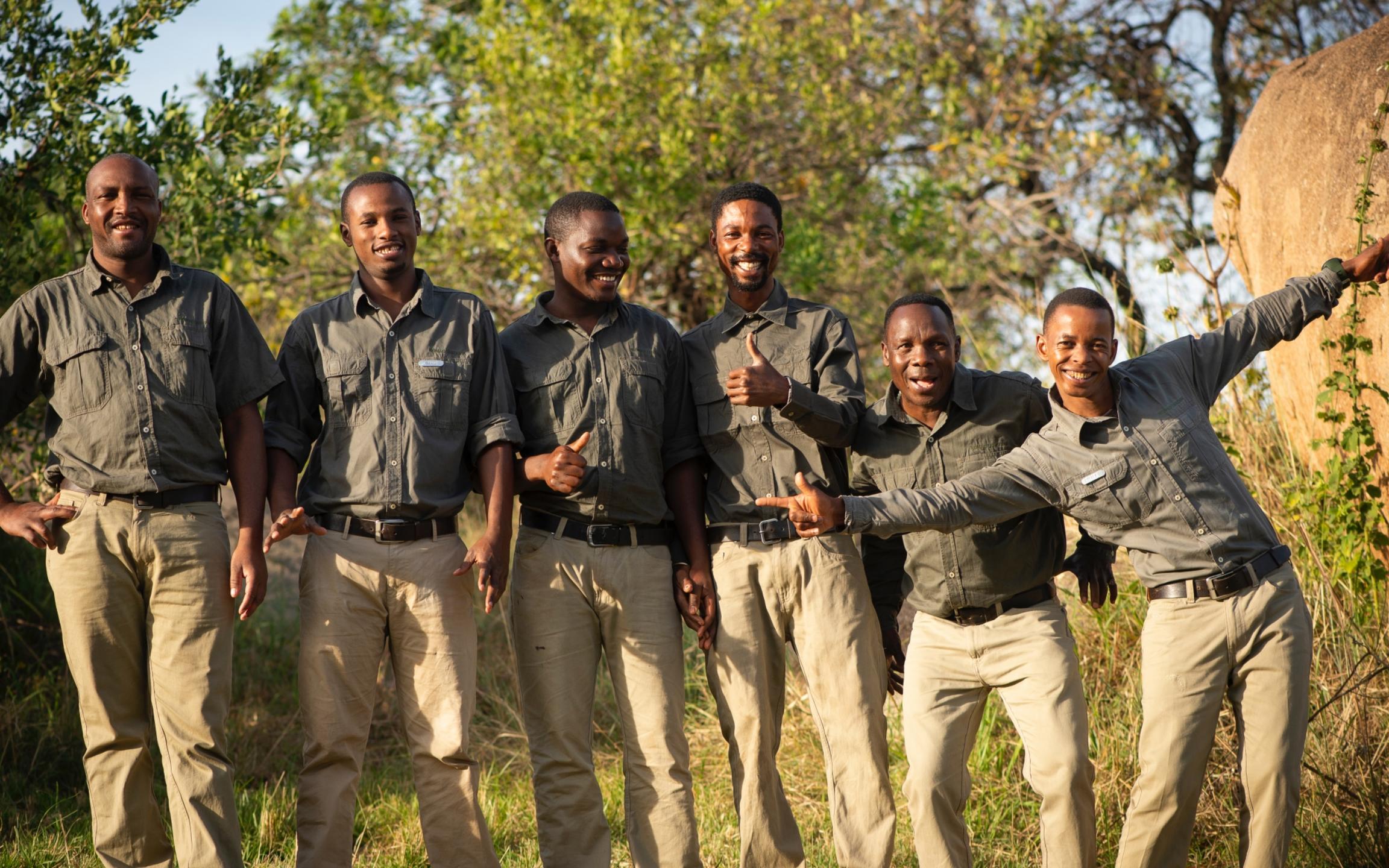
Many travelers choose to present their tip personally at the conclusion of the safari. Offering the gratuity directly provides an opportunity to thank your guide for the unforgettable experiences shared throughout the journey.
If your safari involves multiple guides or drivers, you may wish to acknowledge each individual according to the service they provided.
Tipping During a Mount Kilimanjaro Climb
Tipping plays an especially important role during Kilimanjaro expeditions because a successful summit depends on the combined efforts of an entire mountain crew.
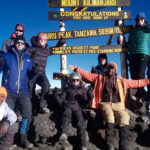
Every climb is supported by experienced guides, assistant guides, cooks, and porters who work tirelessly behind the scenes. While climbers focus on reaching Uhuru Peak, the crew establishes camps, prepares meals, carries equipment, fetches water, monitors health conditions, and ensures the expedition runs smoothly.
Recognizing the contribution of every crew member demonstrates appreciation for their professionalism and dedication.
Most Kilimanjaro operators organize a tipping ceremony on the final day of the climb. During this gathering, climbers have the opportunity to personally thank the crew and present gratuities in a respectful and organized manner.
Tipping Porters on Kilimanjaro
Porters are among the unsung heroes of every Kilimanjaro expedition. They transport tents, food, cooking equipment, luggage, and other supplies up and down the mountain, often carrying heavy loads across difficult terrain.
Their work allows climbers to focus on trekking while enjoying comfortable camps and freshly prepared meals each day.
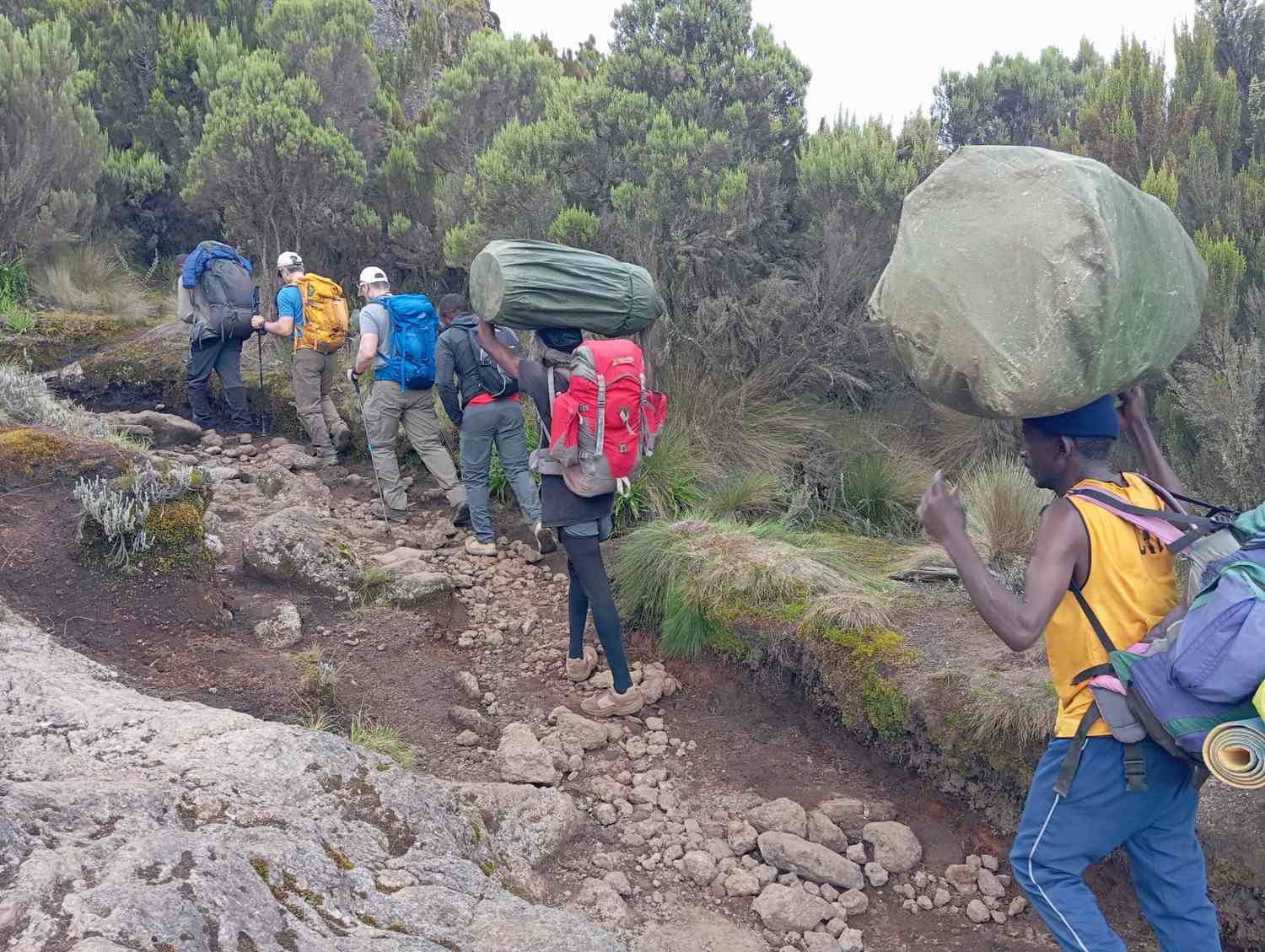
Supporting ethical porter treatment is an important aspect of responsible tourism. Choosing operators that prioritize fair working conditions and proper porter welfare, alongside offering appropriate gratuities for excellent service, contributes positively to the mountain community.
Tipping Kilimanjaro Guides
Mountain guides bear tremendous responsibility throughout the expedition. They monitor each climber’s health, pace the ascent carefully, make important safety decisions, and provide encouragement during the most demanding stages of the climb.
Summit night is often physically and mentally challenging, and the guidance provided by experienced mountain leaders becomes invaluable.
Many climbers feel that expressing gratitude to their guides is one of the most meaningful ways to recognize the commitment required to help visitors safely reach Africa’s highest point.
Appreciating the Mountain Cook
While climbing Kilimanjaro, nutrition plays a vital role in maintaining energy levels and supporting acclimatization.
Mountain cooks prepare fresh meals under challenging conditions while ensuring food remains nutritious and enjoyable throughout the expedition. Despite operating in remote camps at high altitude, they work hard to provide satisfying breakfasts, lunches, dinners, and hot drinks each day.
Their contribution often receives less attention than guiding or portering, yet it is equally important to the success of the climb.
Tipping Hotel and Lodge Staff
Throughout Tanzania, hotel and lodge staff strive to create welcoming and comfortable environments for guests.
Reception teams, housekeeping staff, restaurant servers, gardeners, maintenance personnel, and luggage attendants all contribute to the quality of your stay.
Many accommodations provide a shared staff tip box that distributes gratuities fairly among employees. This approach ensures that both visible and behind-the-scenes staff benefit from guests’ appreciation.
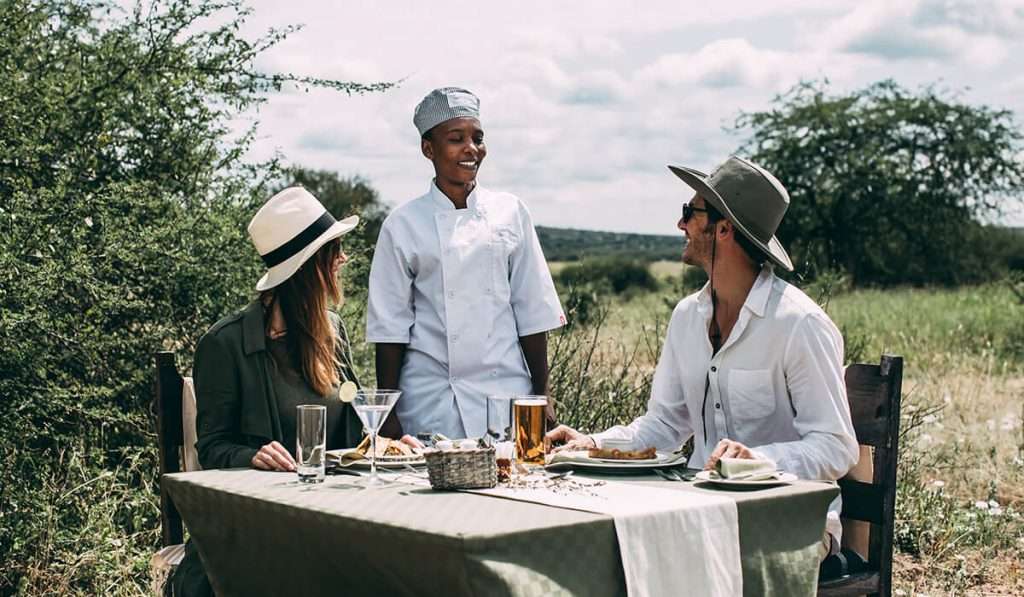
When exceptional personal service is provided by an individual staff member, some travelers also choose to thank that person directly.
Tipping Drivers and Airport Transfer Services
Airport transfer drivers and private transport providers often create a traveler’s first and last impression of Tanzania.
Professional drivers assist with luggage, provide useful local information, ensure timely transportation, and help visitors begin their journey smoothly.
Although transfer durations may be relatively short compared to safaris or mountain expeditions, many travelers choose to acknowledge courteous and reliable service with a gratuity.
Tipping During Cultural Tours
Community guides who lead cultural tours share their traditions, history, customs, and daily lifestyles with visitors. These experiences often involve village walks, traditional food preparation, local crafts, music, dance, or coffee-making demonstrations.
When cultural experiences are enjoyable and educational, tipping local guides can provide additional support to community tourism initiatives while recognizing the time and knowledge they generously share with visitors.
Tipping Restaurant Staff
Restaurants throughout Tanzania generally welcome gratuities when guests receive attentive and friendly service.

In some establishments, a service charge may already be included in the bill. Reviewing your receipt before adding an additional tip can help you understand whether service has already been accounted for.
If no service charge has been included and you are pleased with the service provided, leaving a modest gratuity is widely appreciated.
Which Currency Should You Use for Tips?
Many tourism professionals in Tanzania are happy to receive tips in either Tanzanian Shillings or major international currencies such as US Dollars.
When using foreign currency, travelers should ensure that banknotes are clean, undamaged, and relatively recent, as older or damaged notes may be difficult to exchange.
For smaller gratuities outside major tourist areas, Tanzanian Shillings are often the most practical option.
When Is the Best Time to Give a Tip?
Tipping is generally offered at the conclusion of a service rather than at the beginning.
Safari guides are usually thanked on the final day of the safari, while Kilimanjaro crews traditionally receive gratuities during the organized farewell ceremony after descending the mountain.
Hotel staff may receive tips throughout the stay or upon departure, depending on the nature of the service provided.
Offering a sincere word of thanks alongside the gratuity adds a personal touch that is greatly appreciated.
Tipping as Part of Responsible Tourism
Responsible tourism is about creating positive experiences for both travelers and local communities.
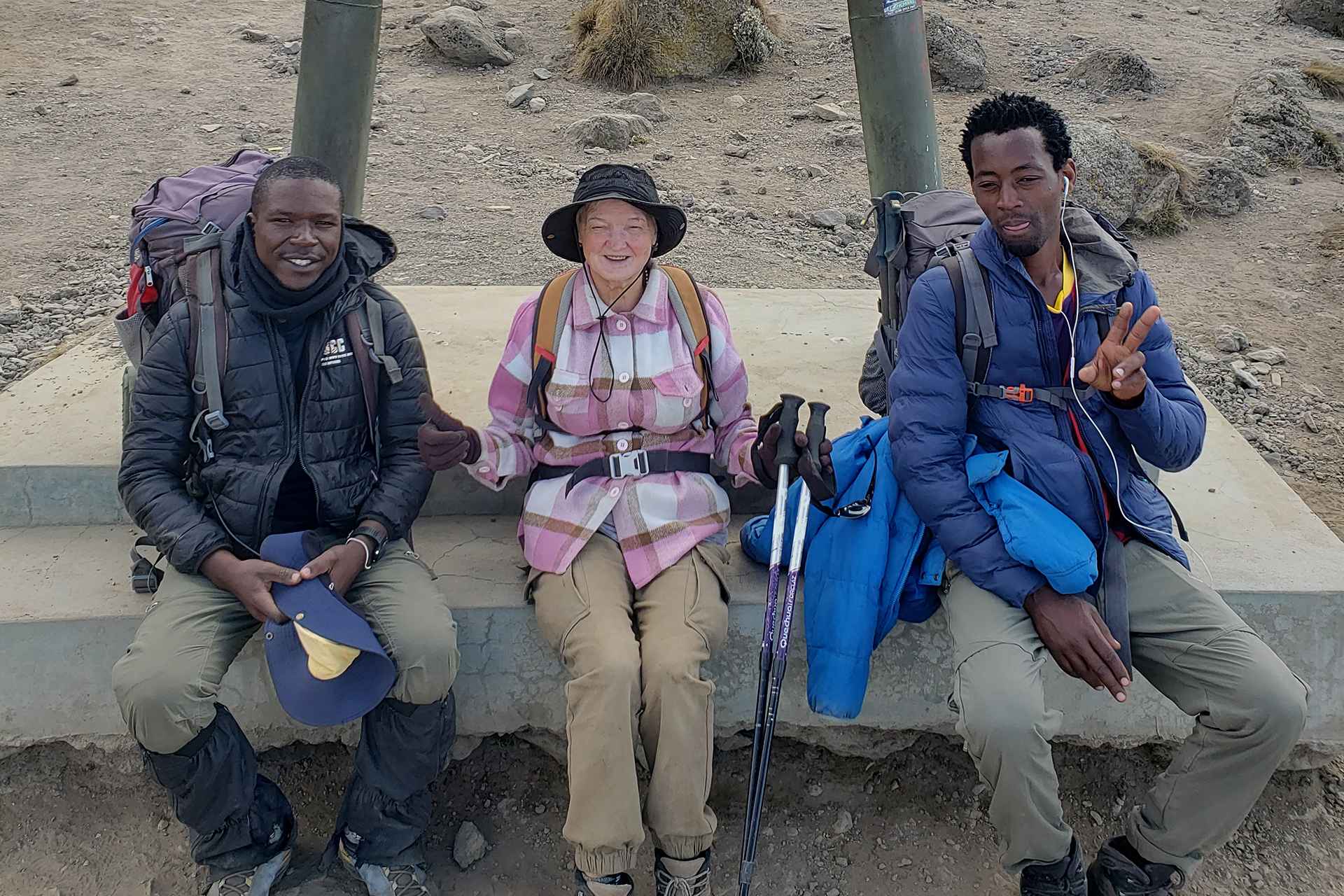
Fair tipping complements ethical tourism by recognizing the hard work, professionalism, and hospitality of the people who make Tanzania such a welcoming destination.
When combined with choosing locally owned businesses, respecting local cultures, and supporting conservation efforts, thoughtful tipping contributes to sustainable tourism that benefits everyone involved.
Budgeting for Tips Before You Travel
When planning a safari or Kilimanjaro climb, it is wise to include gratuities as part of your overall travel budget rather than treating them as unexpected expenses.
Setting aside funds for tips before departure allows you to reward excellent service comfortably while avoiding last-minute concerns about available cash.
Your tour operator can also provide guidance regarding customary tipping practices based on the type of itinerary you have booked.
Why Travel with Great Journey Safaris?
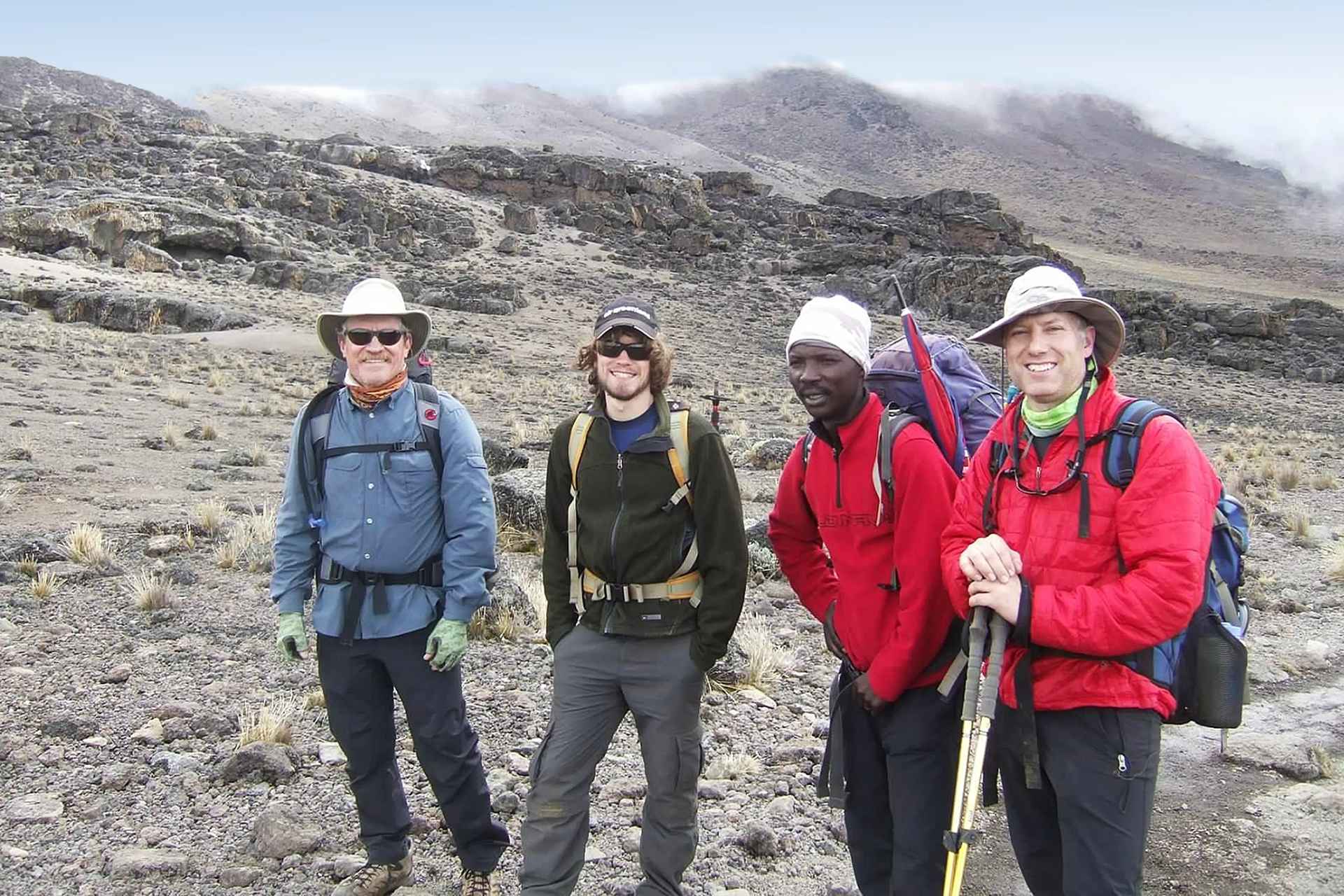
At Great Journey Safaris, we believe that exceptional travel experiences are made possible by dedicated people. From experienced safari guides and skilled mountain crews to friendly drivers and attentive hospitality staff, every member of our team is committed to delivering outstanding service.
We encourage responsible tourism practices that respect both travelers and local communities. Our team is always happy to answer questions about tipping etiquette, helping guests feel informed and confident throughout their journey.
Final Thoughts
Tipping in Tanzania is a meaningful way to recognize the dedication, expertise, and hospitality of the people who help create unforgettable travel experiences. Although gratuities are voluntary, they are widely appreciated and form an important part of the tourism industry.
Whether you are exploring Tanzania’s national parks, climbing Mount Kilimanjaro, visiting local communities, or relaxing in Zanzibar, understanding local tipping customs allows you to travel respectfully and confidently.
At Great Journey Safaris, we are committed to providing transparent travel information and exceptional service from the moment you begin planning your adventure until the day you return home with unforgettable memories of Tanzania.