Discover everything you need to know about the Weather on Mount Kilimanjaro, including climate zones, temperatures, rainy seasons, and the best time to climb with Great Journey Safaris.
Mount Kilimanjaro is one of the most extraordinary trekking destinations in the world. Rising to 5,895 meters (19,341 feet) above sea level, Africa’s highest mountain attracts thousands of adventurers every year. One of the most important factors that climbers must understand before embarking on their journey is the weather on Mount Kilimanjaro.
Unlike many mountains, Kilimanjaro stands alone and rises dramatically from the surrounding plains of northern Tanzania. This unique geographical position creates several distinct climate zones, each with its own weather conditions. During a single climb, trekkers can experience tropical warmth, cool mountain air, freezing temperatures, and even snow near the summit.
At Great Journey Safaris, we believe that understanding Kilimanjaro’s weather is essential for a safe, comfortable, and successful climb.
Understanding Kilimanjaro’s Unique Climate
The weather on Mount Kilimanjaro is influenced primarily by altitude rather than season alone. As climbers ascend the mountain, temperatures decrease significantly while weather conditions become increasingly unpredictable.
The base of the mountain experiences a tropical climate similar to much of northern Tanzania, while the summit lies within an arctic zone characterized by freezing temperatures and strong winds. Because of these dramatic changes, climbers should prepare for multiple weather conditions during a single expedition.
One of the most surprising aspects of Kilimanjaro’s climate is that it is possible to experience sunshine, rain, mist, frost, and snow all within a few days of trekking.
The Five Climate Zones of Mount Kilimanjaro
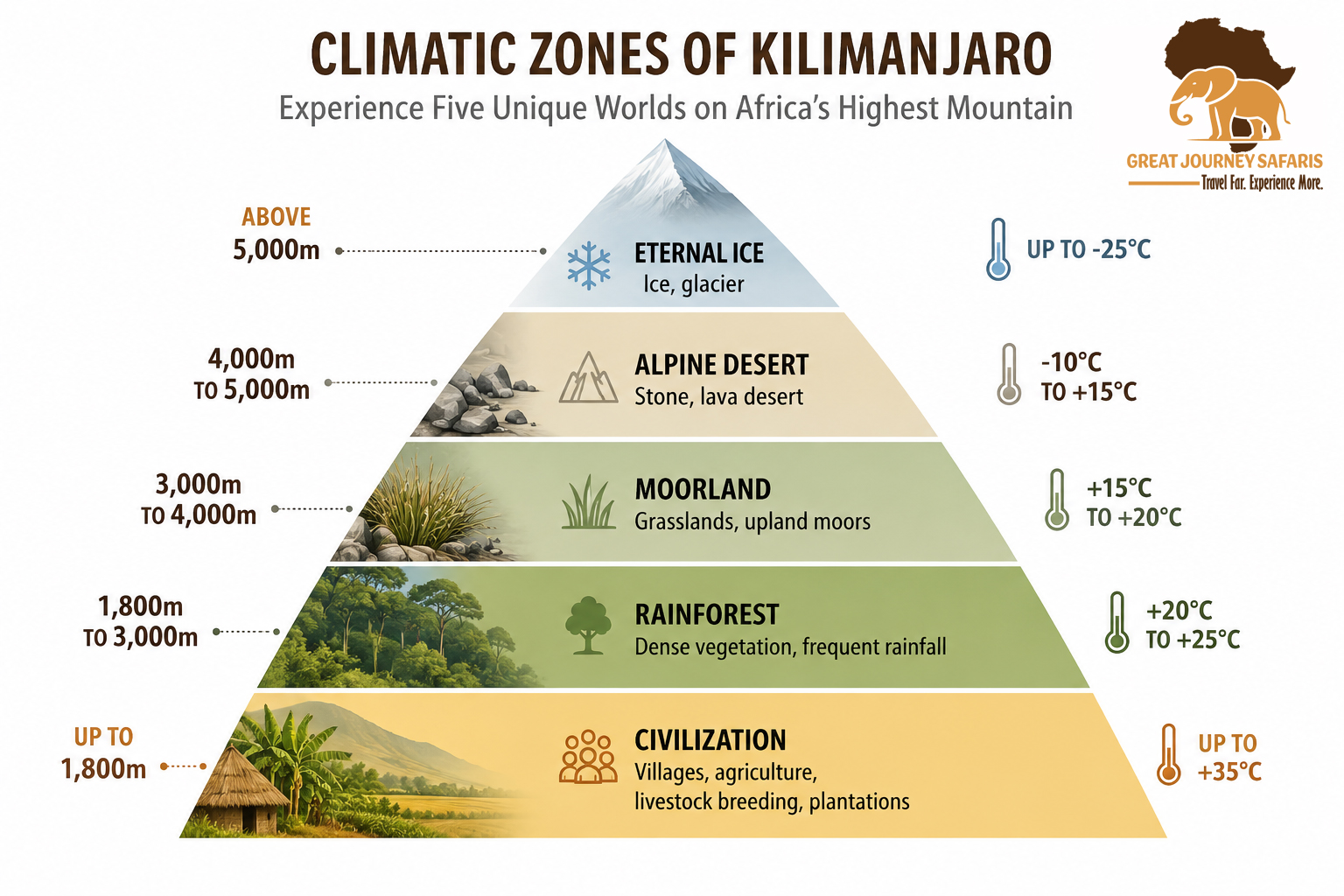
One of the reasons Kilimanjaro is so fascinating is that climbers pass through five distinct ecological and weather zones on their journey to the summit.
Cultivation Zone
The lower slopes of Kilimanjaro are home to fertile farmland and villages inhabited primarily by the Chagga people. This zone typically extends from approximately 800 to 1,800 meters above sea level.
Weather here is generally warm and pleasant throughout the year. Temperatures often range between 15°C and 30°C (59°F to 86°F), creating ideal conditions for growing coffee, bananas, and various crops.
Most climbers begin their trek in this region, where conditions are often sunny and comfortable.
Rainforest Zone
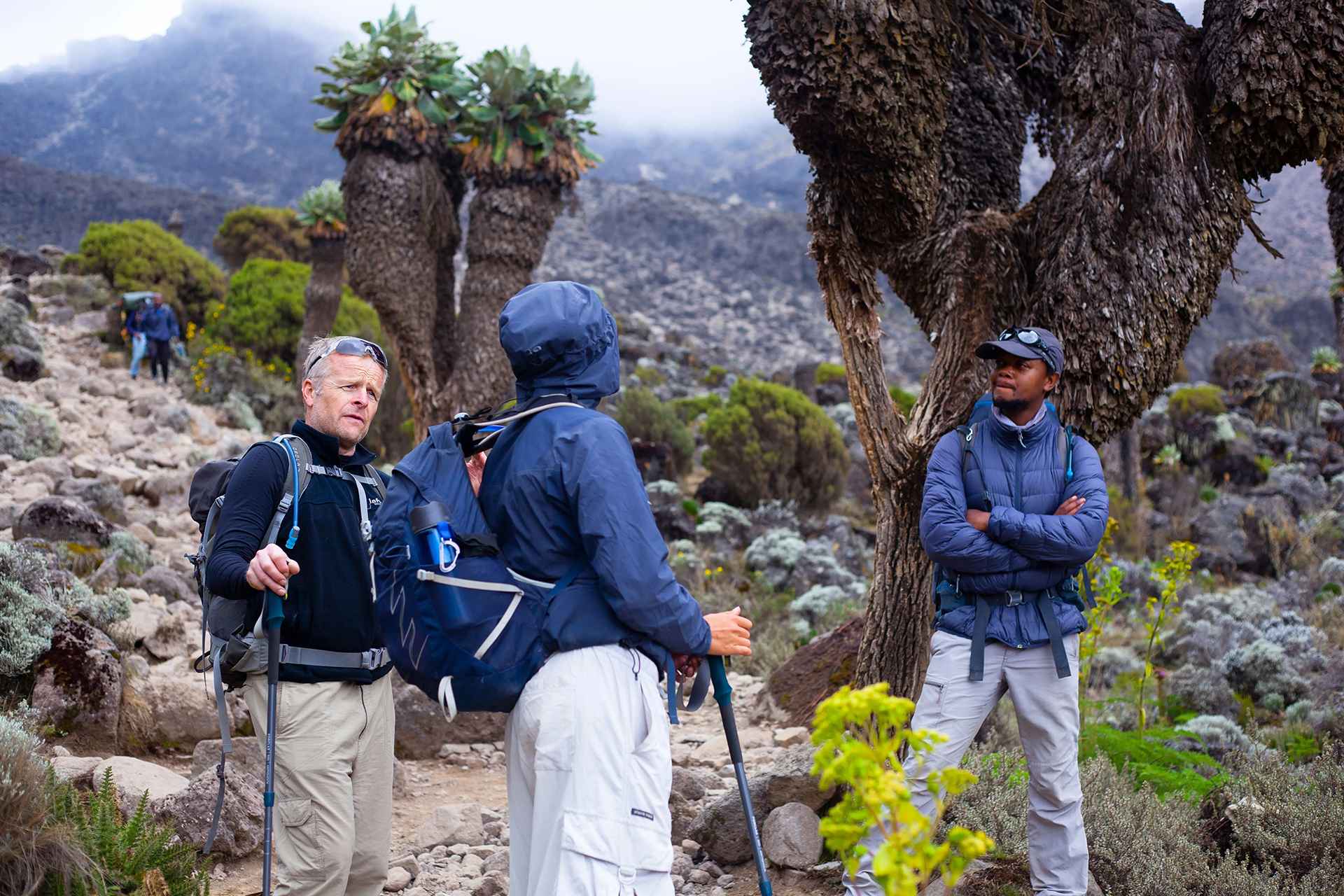
As climbers gain altitude, they enter Kilimanjaro’s lush rainforest zone. This area is characterized by dense vegetation, towering trees, and abundant wildlife.
The rainforest receives substantial rainfall throughout the year, making it one of the wettest sections of the mountain. Morning sunshine can quickly give way to mist, clouds, and occasional showers.
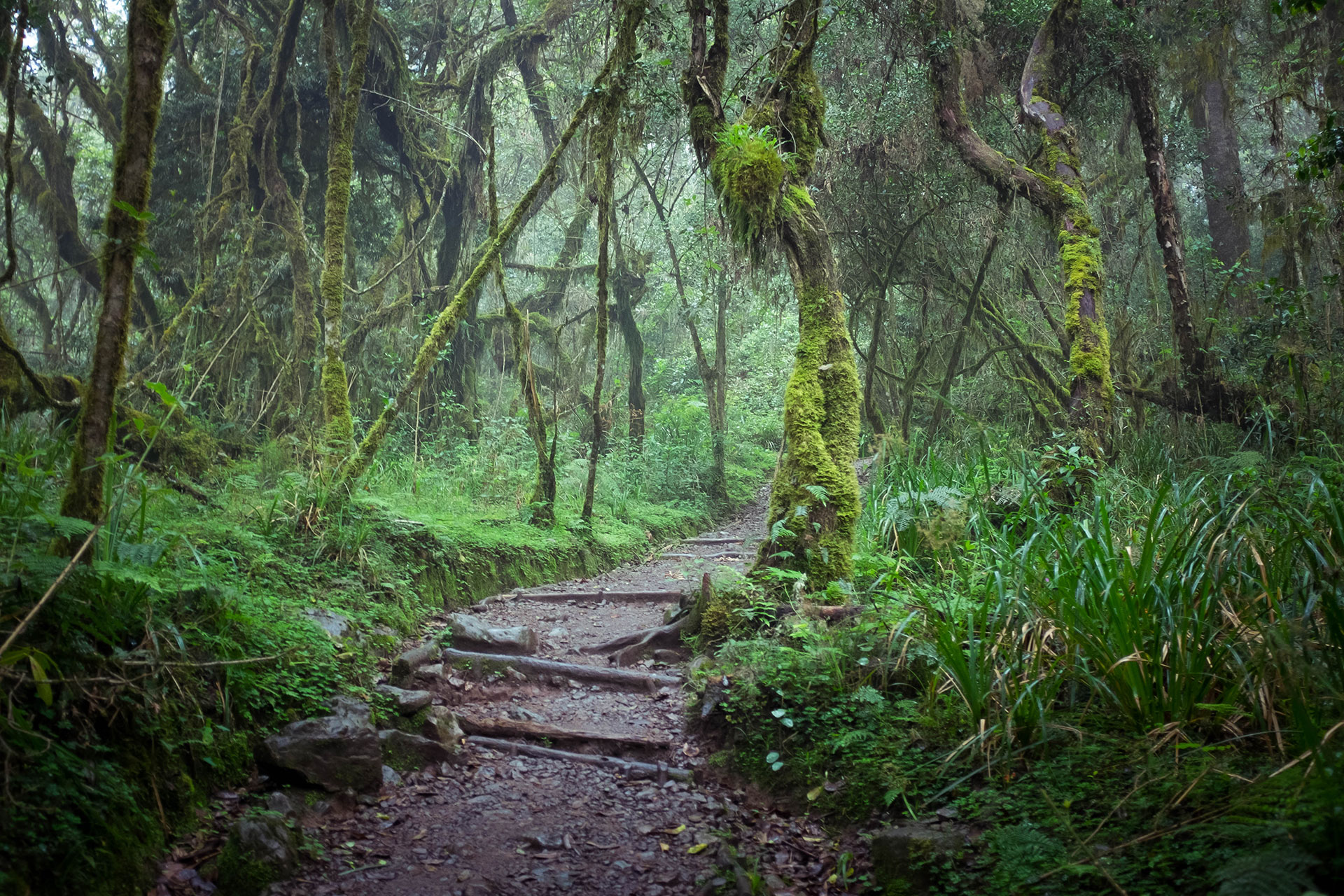
Temperatures generally range between 12°C and 25°C (54°F to 77°F). Waterproof clothing becomes particularly important in this zone, especially during the rainy seasons.
Moorland Zone
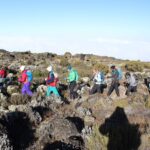
Above the rainforest lies the heath and moorland zone. Vegetation becomes less dense, and the landscape opens up to reveal spectacular views of the mountain and surrounding plains.
Temperatures become noticeably cooler, especially during the evenings and early mornings. Daytime temperatures often range between 5°C and 20°C (41°F to 68°F), while nighttime temperatures may approach freezing.
Weather conditions are generally drier than in the rainforest, but strong sunlight and occasional winds are common.
Alpine Desert Zone
The alpine desert zone presents one of Kilimanjaro’s most dramatic environments. Vegetation is sparse, humidity is low, and weather conditions become more extreme.
During the day, intense sunlight can make temperatures feel surprisingly warm. However, once the sun sets, temperatures drop rapidly, often falling below freezing.
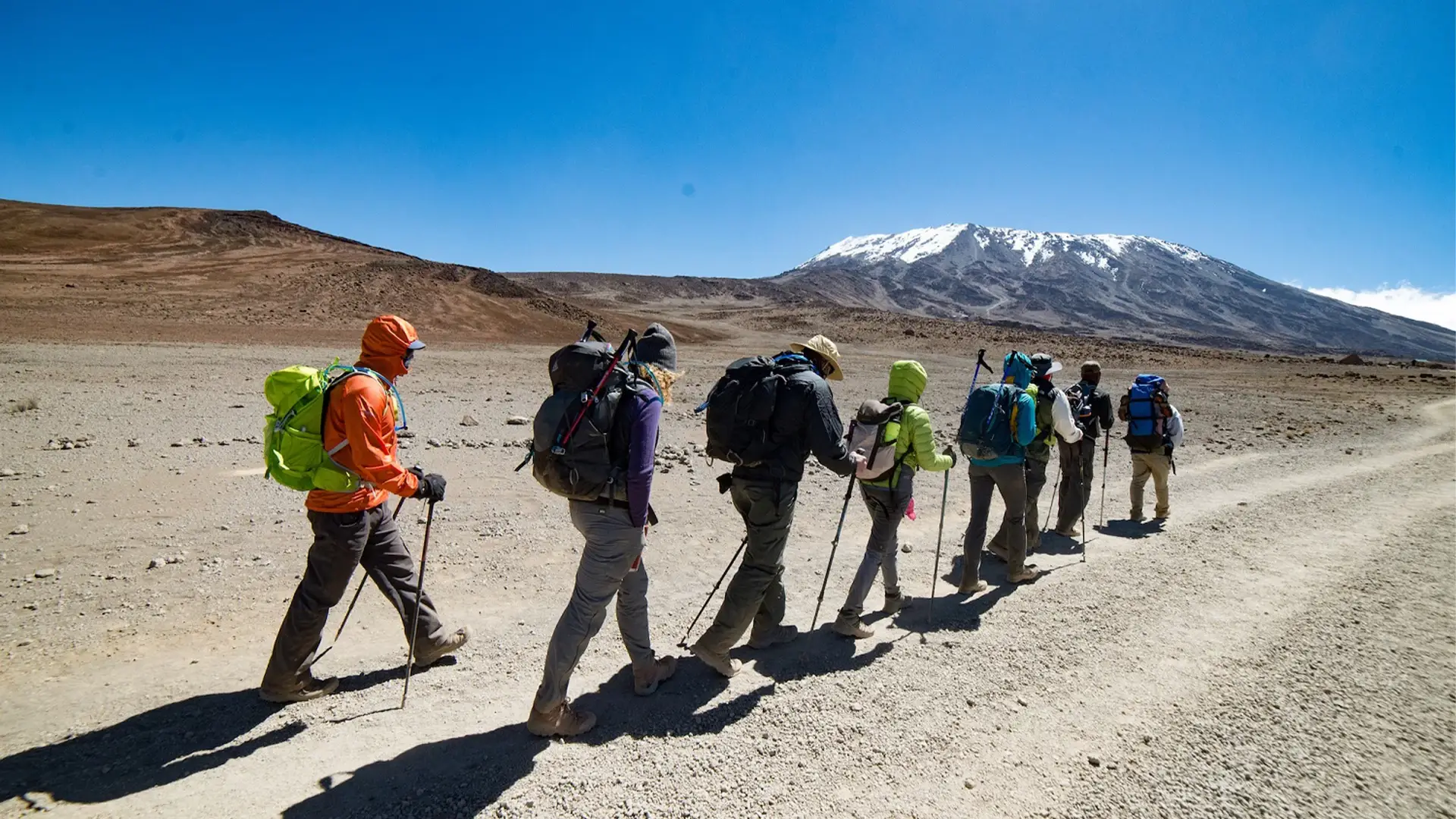
This zone typically experiences temperatures ranging from -5°C to 15°C (23°F to 59°F). Strong winds and low oxygen levels become increasingly noticeable as climbers continue upward.
Arctic Summit Zone
The summit region of Kilimanjaro belongs to the arctic zone, where conditions resemble those found in polar environments.
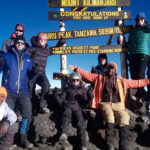
Temperatures at Uhuru Peak commonly range between -20°C and -6°C (-4°F to 21°F), particularly during summit attempts that begin around midnight. Wind chill can make conditions feel significantly colder.
The landscape is characterized by glaciers, ice fields, rocky terrain, and occasional snowfall. Despite being located near the equator, Kilimanjaro’s summit remains one of the coldest places in Africa.
Weather During the Dry Seasons
Most climbers choose to trek Kilimanjaro during the mountain’s dry seasons due to more stable weather conditions and clearer views.
The first dry season occurs from January to early March. During this period, temperatures are relatively warm, skies are often clear, and rainfall is generally limited. Many climbers appreciate the excellent visibility and lower levels of cloud cover.
The second and most popular dry season runs from June through October. This period typically offers cool temperatures, dry trails, and excellent summit conditions. Wildlife viewing opportunities in nearby safari parks also make this an attractive time to combine a Kilimanjaro climb with a Tanzania safari.
Weather During the Rainy Seasons
Kilimanjaro experiences two rainy seasons that influence climbing conditions.
The long rainy season usually occurs between March and May. During these months, heavy rainfall can make trails muddy and slippery, especially in the rainforest zone. Clouds frequently obscure mountain views, and humidity levels increase significantly.
The short rainy season generally occurs during November and early December. Although rainfall is usually less intense than during the long rains, climbers should still expect occasional showers and variable weather.
While some experienced trekkers choose to climb during these periods due to fewer crowds, proper waterproof gear becomes essential.
Summit Night Weather Conditions
Summit night is often the most challenging portion of any Kilimanjaro expedition. Climbers typically begin their final ascent around midnight when temperatures are at their lowest.
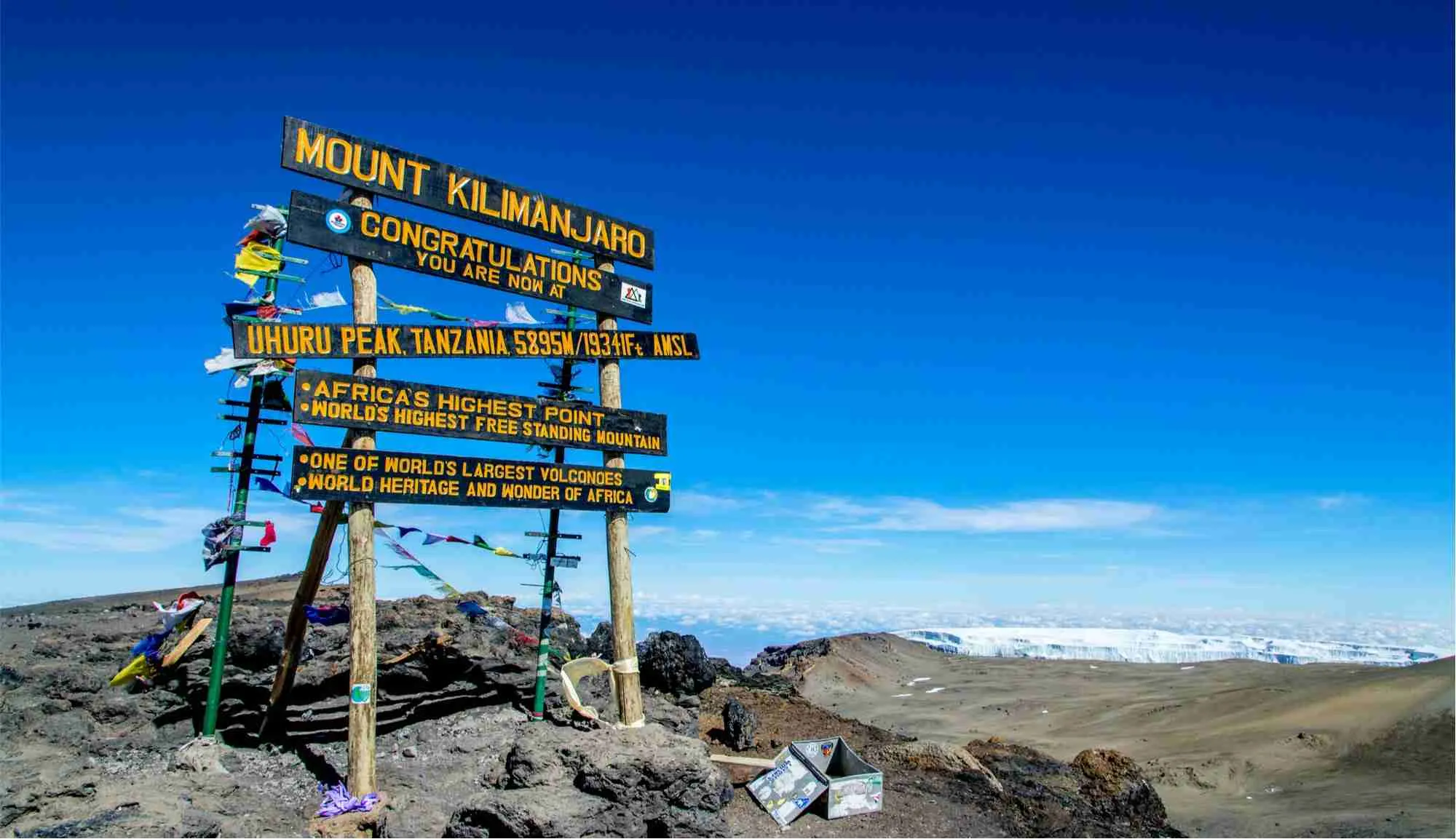
Cold winds, freezing temperatures, and reduced oxygen levels combine to create demanding conditions. Even climbers who feel comfortable at lower camps may be surprised by the intensity of the cold near the summit.
Layered clothing, insulated jackets, warm gloves, thermal base layers, and quality headwear are crucial for maintaining comfort and safety during the summit push.
How Weather Affects Route Selection
Different Kilimanjaro routes experience slightly different weather patterns due to their location on the mountain.
The Rongai Route, which approaches from the northern side, is generally drier because it lies in a rain shadow area. This makes it a popular choice during wetter months.
The Machame and Lemosho Routes pass through lush rainforest regions and may experience more rainfall at lower elevations. However, they also offer some of the mountain’s most scenic landscapes.
Regardless of the route chosen, climbers should be prepared for rapidly changing weather conditions at any time of year.
Essential Clothing for Kilimanjaro Weather
Because Kilimanjaro’s weather changes dramatically with altitude, proper layering is the key to comfort.
Trekkers typically begin their hike in lightweight clothing suitable for warm temperatures. As they gain elevation, insulating layers become necessary. Near the summit, climbers require winter-grade clothing capable of protecting them from freezing temperatures and strong winds.
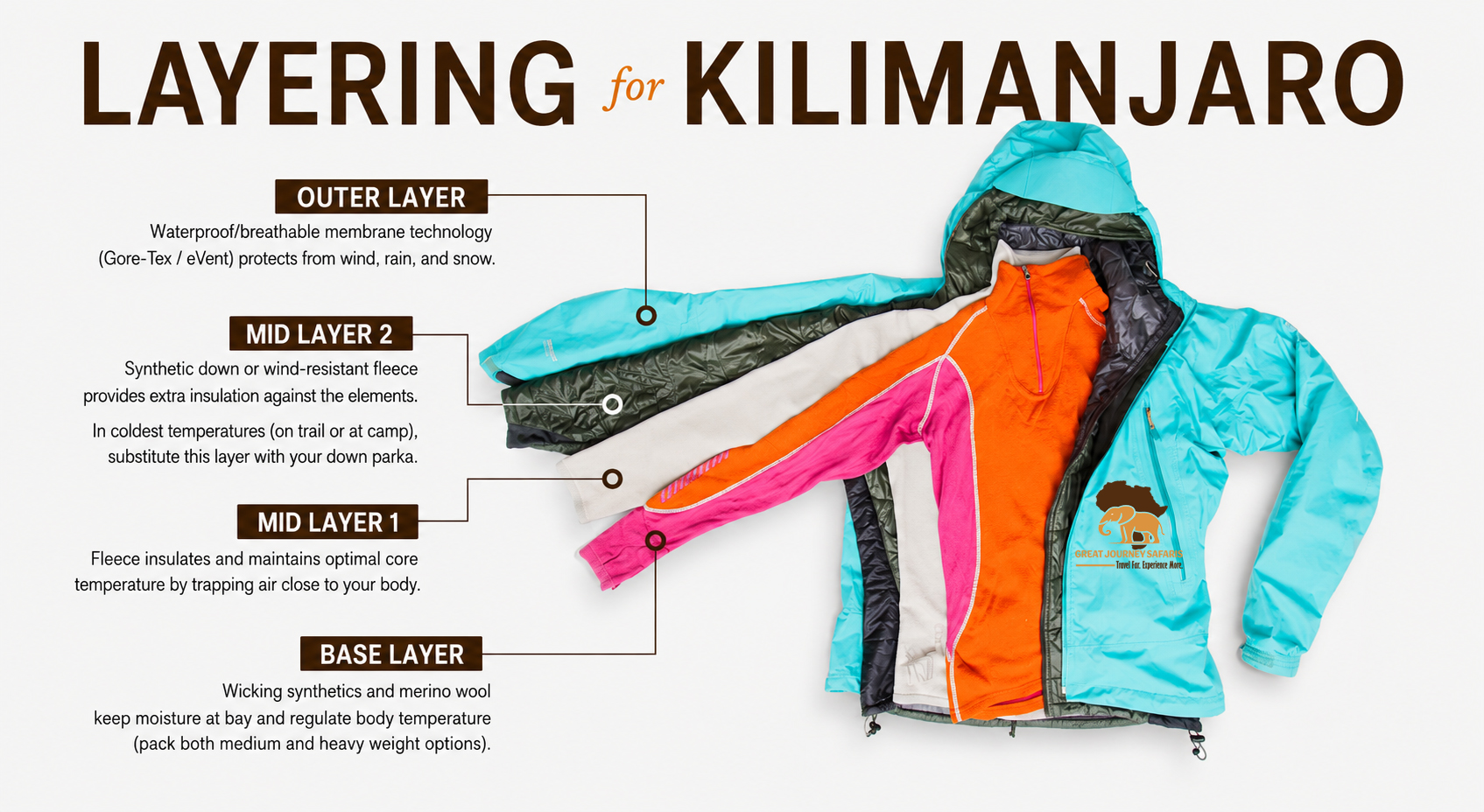
A well-prepared climber carries waterproof outer layers, thermal clothing, fleece jackets, insulated gloves, warm hats, and quality hiking boots suitable for varying conditions.
Why Understanding Kilimanjaro Weather Matters
Many climbers focus exclusively on physical fitness when preparing for Kilimanjaro. However, understanding the mountain’s weather is equally important. Proper preparation helps reduce discomfort, prevent weather-related health issues, and increase the likelihood of reaching the summit successfully.
Weather conditions influence everything from packing lists and route selection to daily trekking strategies and acclimatization schedules.
Final Thoughts
The weather on Mount Kilimanjaro is as diverse as the mountain itself. From warm tropical forests at the base to freezing arctic conditions at the summit, climbers experience a remarkable range of climates during their journey to Uhuru Peak.
Understanding these weather patterns allows trekkers to prepare properly, choose the best climbing season, and enjoy a safer and more rewarding adventure. Whether you are planning your first Kilimanjaro climb or returning for another summit attempt, being ready for the mountain’s changing weather is one of the keys to success.
At Great Journey Safaris, we provide expert guidance, quality equipment recommendations, and experienced mountain crews to help you navigate Kilimanjaro’s unique weather conditions and achieve your dream of standing on the Roof of Africa.